




What's Happening?
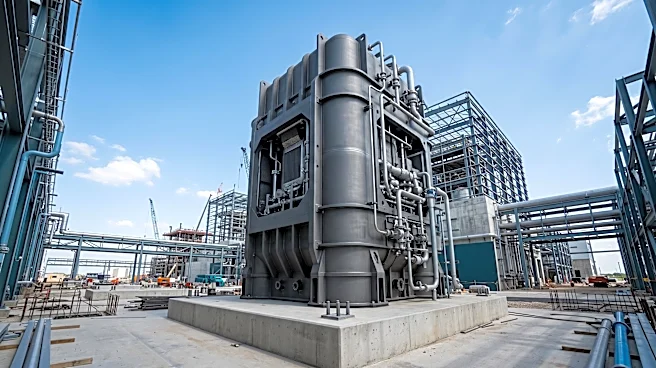
American Electric Power (AEP) is proposing to construct three to five small modular reactors (SMRs) at its 600-acre Joshua Falls site in Campbell County, Virginia. This initiative comes amidst a growing demand for clean energy and increased electricity
to power data centers. While no commercial SMRs are currently operational in the U.S., several projects are in the planning stages, with the first construction approval for a Tennessee facility granted by U.S. regulators in September. Shane Lies, AEP president of nuclear development, stated that SMRs are designed to be smaller and more cost-effective than traditional reactors. Each proposed reactor could generate between 70 and 300 megawatts of power, potentially supplying electricity to as many as 300,000 homes. The Joshua Falls site was chosen due to its proximity to transmission lines and the James River, as well as its natural ridge that would conceal the facility. AEP has collected data for its early site permit application and expects to submit it early next year, with potential approval from the Nuclear Regulatory Commission (NRC) by 2028. Construction could commence within two to three years, with the first reactor becoming commercially operable by the mid-2030s.
Why It's Important?
This proposal by AEP signifies a significant step in the U.S.'s pursuit of advanced nuclear energy solutions, particularly small modular reactors. The development of SMRs is crucial for meeting increasing energy demands, especially from sectors like data centers, while simultaneously advancing clean energy goals. The project is expected to bring substantial economic benefits to Campbell County, including the creation of 150 to 200 full-time jobs per unit with an average annual salary of $116,000, along with 280-440 construction jobs. AEP estimates the facility will generate approximately $20 million annually in local business activity and $4 million in tax revenue for the county. The project also highlights a shift towards safer and more efficient nuclear technology, as SMRs incorporate safety lessons from the past 50 years and are considered 'orders of magnitude safer' than current fleets, according to Shane Lies. The potential for factory-built components also promises to ease construction and reduce costs, making nuclear power more accessible and scalable.
What's Next?
AEP plans to complete and submit its early site permit application to the Nuclear Regulatory Commission (NRC) early next year, potentially in the first or second quarter. The NRC's approval process is estimated to take 15 to 18 months, with a possible approval date in 2028. Following approval, construction could begin within two to three years, and the first reactor is targeted to be commercially operable by the mid-2030s. To fund the project, AEP has filed an application with the state to temporarily raise rates, which, if approved, could increase Virginians' bills by approximately $2 per month from October 2027 to September 2028. AEP anticipates that rates will decrease once the facility is operational. Additionally, a bill introduced by Rep. Morgan Griffith, aimed at expediting nuclear project construction approvals by eliminating public hearings if there is no opposition, has passed the House and is now headed to the Senate, which could further streamline the regulatory process for such projects.
Beyond the Headlines
The proposed SMR project in Campbell County reflects a broader national and global trend towards re-evaluating nuclear power as a critical component of a sustainable energy future. The emphasis on SMRs, with their enhanced safety features and modular construction, addresses historical concerns about nuclear plant size, cost, and perceived risks. This development could set a precedent for other regions in the U.S. looking to balance energy security with environmental sustainability. The economic impact, particularly the creation of high-paying jobs and increased tax revenue, underscores the potential for nuclear energy to revitalize local economies. Furthermore, the project's focus on providing a stable, storm-immune power source highlights the increasing importance of grid resilience in the face of climate change and extreme weather events. The ongoing legislative efforts to streamline nuclear project approvals also signal a potential shift in regulatory frameworks, aiming to accelerate the deployment of advanced nuclear technologies.