





What's Happening?
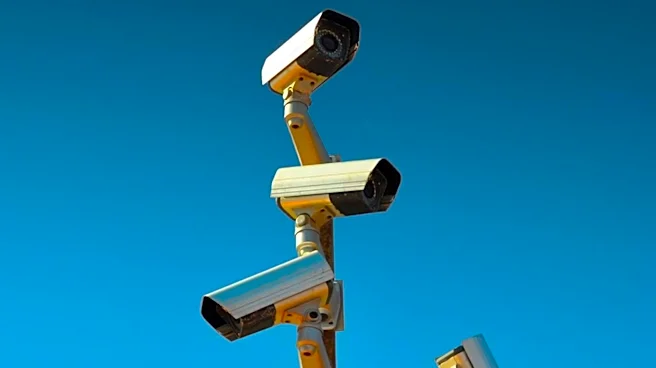
Atlanta Mayor Andre Dickens has introduced new policies to govern the Atlanta Police Department's use of surveillance technology, including license plate readers and cameras. The proposed legislation aims to establish clear standards for implementing
'high-risk' surveillance tools and mandates an in-depth review of their potential impacts. These new policies are an update to earlier legislation drafted by Councilman Jason Dozier in June. The mayor's office emphasizes the possibility of maintaining a robust surveillance system while simultaneously safeguarding civil rights. The legislation also calls for the creation of a seven-member panel to review technology use policies, requires ongoing audits, outlines procedures for addressing misuse allegations, and prohibits vendors from selling collected data.
Why It's Important?
This initiative is significant for Atlanta as it seeks to balance public safety with civil liberties in an era of increasing technological surveillance. The proposed regulations could set a precedent for other U.S. cities grappling with similar issues, particularly concerning the deployment of advanced surveillance tools like Flock cameras. By establishing a review panel and mandating audits, the city aims to increase transparency and accountability in police operations, potentially reducing instances of misuse and protecting citizens' privacy rights. The prohibition on data sales by vendors is a crucial step in preventing the commercial exploitation of sensitive information gathered through surveillance. This move reflects a growing national conversation about the ethical implications of surveillance technology and the need for robust oversight to prevent potential abuses.
What's Next?
The proposed legislation will undergo further review, including a public hearing during a council committee meeting within 60 days. The Atlanta City Council will then vote on the measure. If approved, the new policies will establish a framework for the Atlanta Police Department's future use of surveillance technology. The specialized seven-member panel will be formed to oversee the implementation and ongoing use of these tools, conducting regular audits and addressing any allegations of misuse. The city will also need to ensure that vendors comply with the new regulations, particularly the ban on selling surveillance data. The outcome of this legislative process could influence how other municipalities approach the regulation of surveillance technologies.
Beyond the Headlines
The debate over surveillance technology often extends beyond immediate privacy concerns to broader questions of trust between law enforcement and communities. By proactively addressing the responsible use of these tools, Mayor Dickens' administration is attempting to build public confidence and mitigate potential social and ethical challenges. The emphasis on an 'in-depth review of the potential impacts' suggests a recognition of the complex societal implications, including potential biases in data collection and the disproportionate impact on certain communities. This policy could foster a more nuanced approach to public safety, integrating technological advancements with a strong commitment to civil rights and community engagement, thereby shaping the future of urban policing in the U.S.