




What's Happening?
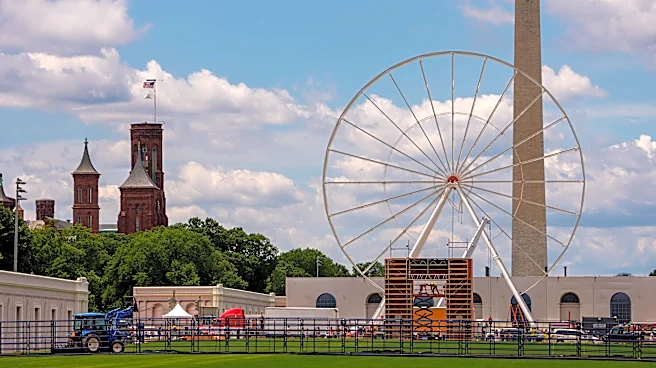
The Great American State Fair has transformed the National Mall in Washington, D.C., into a vibrant showcase of American agriculture, featuring livestock exhibitions, rodeos, and educational pavilions. This 16-day event is part of the nation's 250th anniversary
celebrations and includes daily activities where members of FFA chapters, 4-H clubs, and farm families present their livestock. Agriculture Secretary Brooke Rollins and Education Secretary Linda McMahon are among the notable figures attending the fair, which aims to bring rural life and agribusiness to the heart of the nation's capital. The event provides a unique opportunity for visitors to engage with agricultural practices and see livestock up close, an experience that is rare in urban settings.
Why It's Important?
The Great American State Fair serves as a bridge between urban and rural communities, highlighting the significance of agriculture in American history and its ongoing role in the economy. By bringing livestock and agricultural education to the National Mall, the fair fosters a greater understanding and appreciation of farming practices among city dwellers. This event also underscores the importance of agriculture in national celebrations, reflecting on the historical roots of state and county fairs. The presence of high-profile government officials like Agriculture Secretary Rollins emphasizes the federal government's support for agricultural education and rural development.
What's Next?
As the fair continues, it is expected to draw more visitors and media attention, potentially influencing public perceptions of agriculture and rural life. The event may inspire similar initiatives in other urban areas, promoting agricultural education and awareness. Additionally, the fair could lead to increased dialogue between policymakers and agricultural communities, potentially impacting future agricultural policies and funding. The success of this event might encourage the integration of agricultural showcases in other national celebrations, further bridging the gap between urban and rural America.
Beyond the Headlines
The fair's emphasis on livestock and rodeo highlights cultural aspects of rural America that are often overlooked in urban settings. This event not only educates the public about agricultural practices but also celebrates the cultural heritage of farming communities. The logistical challenges of bringing livestock into the nation's capital underscore the complexities of integrating rural traditions into urban environments. The fair's success could pave the way for more inclusive national celebrations that recognize the diverse contributions of all American communities.