






What's Happening?
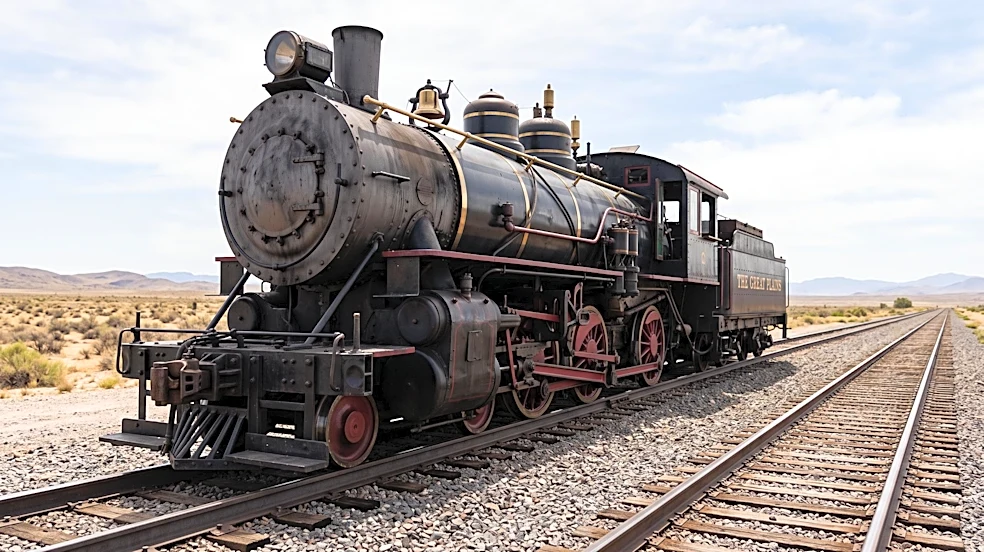
The Nevada Northern Railway has been awarded a federal grant of up to $3 million from the U.S. Department of Transportation’s Consolidated Rail Infrastructure and Safety Improvements (CRISI) program. This funding is specifically designated for the development
and final design phases of rehabilitating the 127-mile corridor, with the ultimate goal of reconnecting it to the national rail network. The project, sponsored by the City of Ely, Nevada, was among 105 selections from 368 applications in this CRISI round, which distributed over $2.3 billion in total. U.S. Senator Jacky Rosen (D-NV) announced the funding, highlighting the railway's historical significance as a former copper mine service and current cultural destination. The grant covers design, environmental studies, and engineering to prepare for future construction, but does not include the construction costs themselves. The City of Ely will contribute a 20 percent non-federal share, with potential contributions from the Nevada Northern Railway Foundation, White Pine County, and the KGHM Robinson Mine.
Why It's Important?
This federal investment is crucial for the economic development and historical preservation of Northern Nevada. Reconnecting the Nevada Northern Railway to the national rail system, a link that has been severed since 1999, could revitalize freight services, offering new transportation options for industries in White Pine and Elko counties. Senator Rosen emphasized the railway's role as both a historical landmark and a potential economic driver. The grant's focus on design and development signifies a critical first step towards a larger infrastructure project, which, if fully realized, could create jobs, improve regional logistics, and enhance the area's appeal as a heritage tourism destination. The project also underscores the federal government's commitment to improving rail infrastructure in rural areas, as it qualifies for a statutory set-aside for such projects. This initiative could serve as a model for other historical railways seeking to modernize and integrate into contemporary transportation networks.
What's Next?
The immediate next steps involve the City of Ely, in collaboration with the Nevada Northern Railway Foundation, White Pine County, and the KGHM Robinson Mine, proceeding with the project development and final design phases. This will include conducting necessary environmental and engineering studies to prepare the corridor for future rehabilitation. While the current grant does not cover construction, successful completion of these initial stages will position the project favorably for subsequent funding applications for the actual construction work. Stakeholders will likely focus on securing additional federal or state grants, as well as private investments, to fund the physical reconstruction of the railway line. The progress of this project will be closely watched by other communities with historical rail lines, as it could demonstrate a viable pathway for similar restoration and reconnection efforts across the U.S.
Beyond the Headlines
Beyond the immediate economic and logistical benefits, the restoration of the Nevada Northern Railway carries significant cultural and historical implications. The railway, which has served the region for over a century, represents a tangible link to Nevada's mining past and its industrial heritage. Its reconnection could not only facilitate modern freight transport but also enhance its role as a living museum and tourist attraction, drawing visitors interested in railroad history and the American West. This project highlights the broader trend of preserving and repurposing historical infrastructure for contemporary use, blending heritage with economic utility. The collaborative effort between federal, state, and local entities, along with private contributors, also exemplifies a multi-faceted approach to regional development that leverages historical assets for future prosperity. The success of this project could inspire similar initiatives nationwide, fostering a renewed appreciation for historical infrastructure as a valuable resource for economic and cultural enrichment.