


What's Happening?
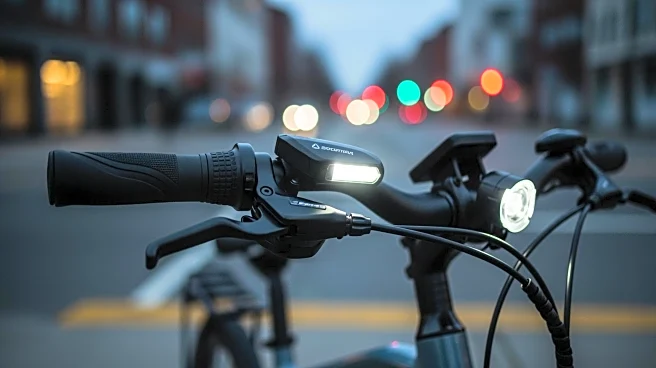
The increasing popularity of electric bikes (e-bikes) as a convenient and eco-friendly alternative to cars is raising significant safety concerns. Studies from the University of California, San Francisco, and San Diego highlight a troubling rise in e-bike-related
injuries, with incidents nearly doubling annually from 2017 to 2022 and a 300% increase in injuries among riders under 18 in San Diego from 2019 to 2023. Despite being classified as nonmotorized vehicles under federal law, e-bikes are subject to varying state regulations, with some states imposing stricter rules. Recent legislative actions in New York City, Florida, and Connecticut aim to address these safety issues by implementing speed limits and helmet requirements. The push for regulation is driven by concerns from citizens, law enforcement, and health experts who advocate for clearer policies and better enforcement to ensure public safety.
Why It's Important?
The rise in e-bike usage and associated injuries underscores the need for comprehensive safety regulations to protect both riders and pedestrians. As e-bikes become more prevalent, the lack of uniform safety standards poses risks, particularly in urban areas where pedestrian traffic is high. The economic implications are significant, as increased injuries could lead to higher healthcare costs and potential legal liabilities. Moreover, the regulatory landscape affects manufacturers and retailers who must navigate varying state laws. Stricter regulations could lead to safer riding conditions, potentially reducing the number of accidents and fostering public confidence in e-bike use. This situation highlights the broader challenge of integrating new transportation technologies into existing infrastructure and regulatory frameworks.
What's Next?
As states continue to grapple with the safety challenges posed by e-bikes, further legislative actions are likely. Lawmakers may consider additional measures such as mandatory safety training for riders, enhanced enforcement of existing laws, and public awareness campaigns to promote safe riding practices. The response from manufacturers and retailers will be crucial, as they may need to adapt their products and marketing strategies to comply with new regulations. Additionally, ongoing research into e-bike safety could inform future policy decisions, helping to balance the benefits of e-bikes with the need for public safety. Stakeholders, including advocacy groups and industry representatives, are expected to play a key role in shaping the regulatory landscape.