


What's Happening?
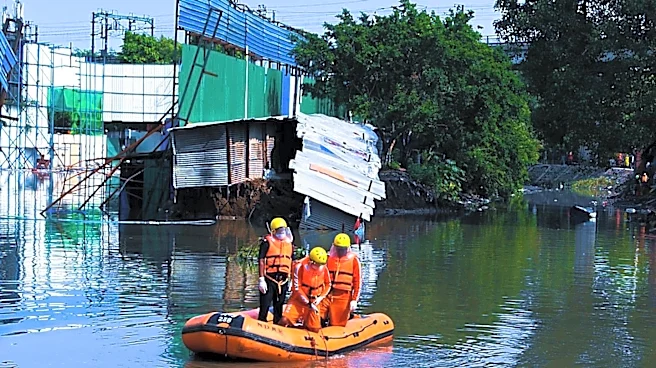
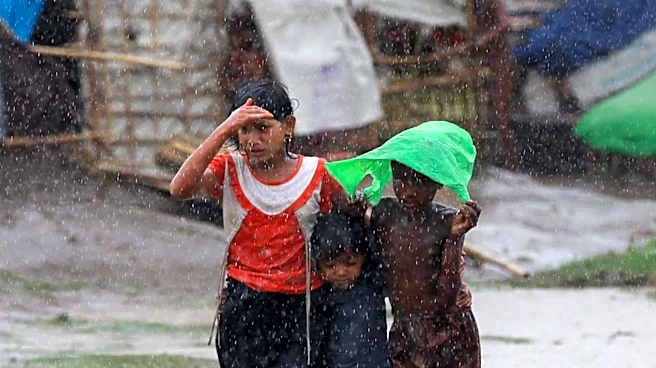
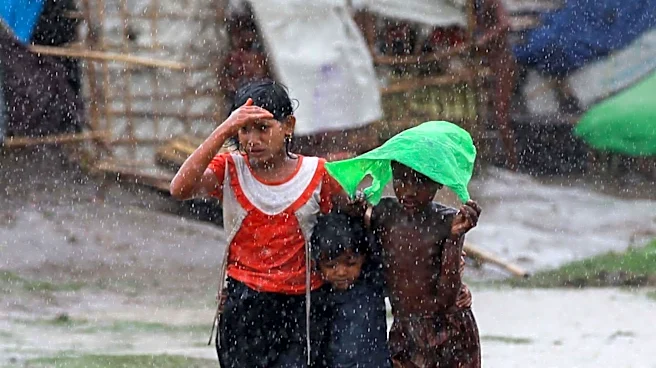
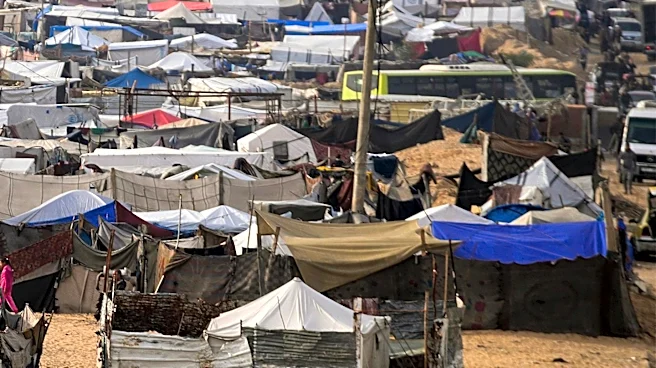
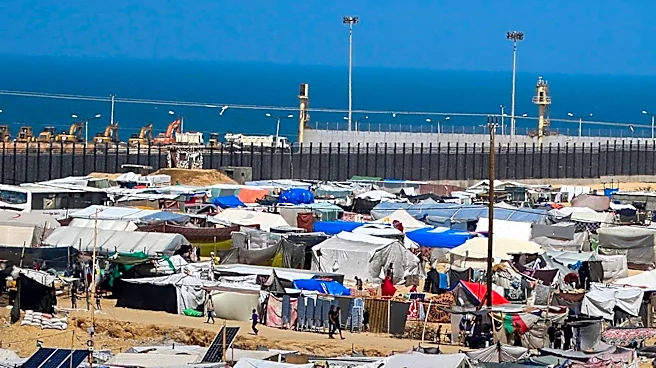
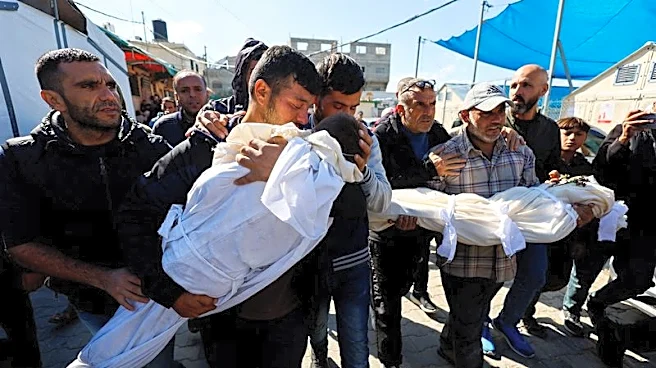
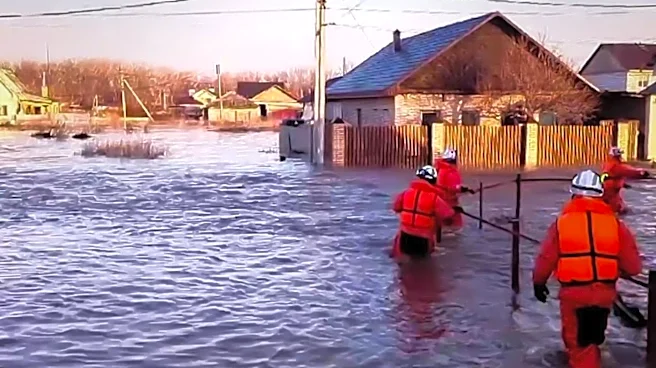
Gaza's civil defense authorities have declared a state of maximum emergency following a severe rainstorm that flooded approximately 70,000 tents housing displaced Palestinians. This event has significantly worsened the already dire living conditions for
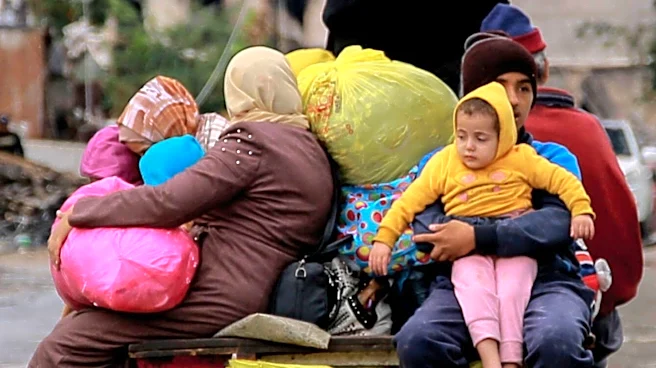
families who are now facing their third winter in displacement camps after Israel's assault on Gaza. The flooding has overwhelmed rescue services, making daily life increasingly difficult for the affected population. Authorities have issued an urgent appeal to the international community, calling for pressure on Israel to allow the entry of specialized rescue equipment, vehicles, and essential shelter materials such as tents, plastic sheeting, and mobile homes to provide emergency housing.
Why It's Important?
The destruction of 70,000 tents by flooding represents a catastrophic escalation of the humanitarian crisis in Gaza. This event not only exacerbates the immediate suffering of displaced families, who have already endured prolonged conflict and displacement, but also highlights the critical lack of adequate infrastructure and resources in the region. The call for international intervention to facilitate the entry of rescue and shelter supplies underscores the severe restrictions on aid access, which impede effective humanitarian response. The inability to provide basic necessities like shelter and sanitation in a timely manner can lead to widespread health crises, further destabilizing an already fragile population. This situation demands urgent attention from international organizations and governments to ensure the protection and well-being of civilians.
What's Next?
Gaza's civil defense authorities will continue to manage the immediate aftermath of the floods, focusing on rescue operations and providing what limited assistance they can. The urgent appeal to the international community is expected to intensify diplomatic efforts to pressure Israel to allow unrestricted entry of humanitarian aid, including specialized equipment and shelter materials. International aid organizations will likely redouble their efforts to mobilize resources and coordinate with local authorities to address the immediate needs of the displaced. The long-term implications include the need for more durable and resilient housing solutions for displaced populations, as well as comprehensive reconstruction efforts that can withstand environmental challenges. The incident may also prompt renewed calls for a lasting resolution to the conflict to prevent future humanitarian catastrophes.