






What's Happening?
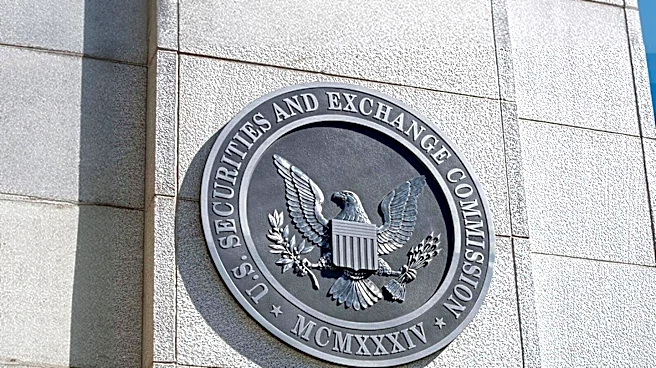
U.S. Senator John Fetterman (D-PA) has sent a letter to the Securities and Exchange Commission (SEC) and the Commodity Futures Trading Commission (CFTC), urging them to enforce an existing rule that mandates greater disclosures in private credit markets.
Senator Fetterman expressed deep concern regarding the opacity and mounting risks within the private credit industry, which has grown to $3 trillion in size. He highlighted that this market is making increasingly risky loans to subprime companies, citing examples like the failures of First Brands and Tricolor, and an increasing reliance on payments-in-kind among borrowers. The Senator noted that big banks, insurance companies, and pension funds have significant exposure to this unregulated lending market. He specifically called for the enforcement of updates to Form PF, a disclosure form required from unregulated entities like private credit funds, which he believes would provide regulators and investors with a better understanding of the market's leverage, interconnectedness, loan quality, and liquidity. Senator Fetterman criticized the agencies for delaying the enforcement of these requirements three times and for an April 24th announcement seeking comments on a potential "watering down" of the changes.
Why It's Important?
The call for increased transparency in private credit markets is crucial due to the significant and growing risks associated with this largely unregulated sector. The private credit industry's current size and its exposure to struggling companies, coupled with a lack of comprehensive disclosure, create a potential systemic risk to the broader financial system. As Senator Fetterman points out, major financial institutions like big banks and insurance companies are heavily invested in private credit, with banks lending almost $300 billion and the insurance industry exposed to $1 trillion. Many of these loans lack protective covenants, making these institutions vulnerable in times of crisis. Without adequate transparency, regulators and investors lack the necessary information to properly value private credit loans and assets, especially during economic downturns. This opacity could exacerbate financial instability, as a lack of understanding about the market's true health can lead to panic and a more severe crisis, impacting pension funds and other investors. Enforcing robust disclosure requirements through Form PF is seen as essential to protect investors and prevent disruptions to the financial system.
What's Next?
Senator Fetterman has urged the SEC and CFTC to move forward with robust and detailed transparency through Form PF by October 1st. This sets a clear deadline for the agencies to act on the existing disclosure requirements. The letter indicates that the Senator expects the agencies to reverse their previous delays and implement the originally proposed updates to Form PF. Should the agencies fail to enforce these requirements, it could lead to continued pressure from Congress and other stakeholders concerned about financial stability. The ongoing debate around the "watering down" of proposed changes suggests that the path to full transparency may still face resistance. The financial industry, particularly private credit funds, will be closely watching the SEC and CFTC's response, as stricter enforcement of Form PF could necessitate significant changes in their reporting practices and potentially impact their operations and investment strategies. The outcome will determine the extent to which regulators gain a clearer picture of the risks within this rapidly expanding market.
Beyond the Headlines
The issue of private credit market transparency extends beyond immediate financial risks to fundamental questions of regulatory oversight in evolving financial landscapes. The rapid growth of the private credit industry, now a $3 trillion market, highlights a broader trend where significant financial activity is occurring outside the traditional banking system, often with less regulatory scrutiny. This creates a 'shadow banking' concern, where risks can accumulate without the same level of oversight applied to regulated banks. Senator Fetterman's emphasis on the lack of understanding of how to value private credit loans in a crisis underscores a systemic vulnerability: if regulators are 'in the dark,' their ability to preemptively address financial crises is severely hampered. This situation raises ethical considerations about investor protection, as individuals and institutions investing in pension funds and insurance products are indirectly exposed to these opaque risks. The push for Form PF enforcement is not just about data collection; it's about establishing a precedent for how new, complex financial markets are integrated into the existing regulatory framework to ensure stability and protect public interest, especially as financial innovation continues to outpace regulatory adaptation.