




What's Happening?
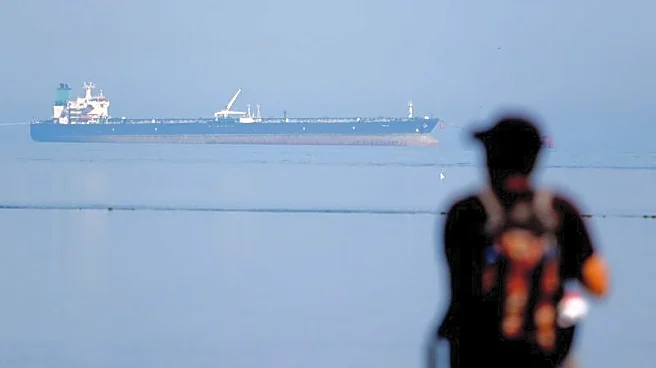
OPEC+, a coalition of oil-producing nations, is facing criticism for its role in distorting global oil market dynamics. The group, which was initially formed to stabilize oil markets, is now seen as resisting market forces by coordinating supply cuts
despite ample global spare capacity. This approach has led to a disconnect between physical supply conditions and price formation, resulting in elevated oil prices that act as a regressive global tax. These high prices disproportionately affect energy-importing countries, particularly in the developing world, by increasing transportation, food, and borrowing costs. The system is also criticized for redistributing income from consumers to producers without providing genuine price stability.
Why It's Important?
The actions of OPEC+ have significant implications for the global economy, particularly for countries that do not produce oil. Sustained high oil prices can reduce global economic growth, raise inflation, and increase the likelihood of a recession. The system also complicates geopolitical dynamics by indirectly supporting sanctioned states like Russia and facilitating a parallel energy trade system with China. For the U.S., which operates its oil sector on market principles, the contrast highlights the inefficiencies and economic stagnation that can result from OPEC+'s coordinated supply restraint. The situation underscores the need for a more market-driven oil system that could lead to lower prices, clearer investment signals, and faster technological adaptation.
What's Next?
As OPEC+ continues to manage oil supply, the global market may see further volatility. The coalition's actions could lead to increased calls for reform and a shift towards more market-driven mechanisms. Countries affected by high oil prices may seek alternative energy sources or push for policy changes to mitigate the economic impact. The ongoing geopolitical implications, particularly concerning Russia and China, may also prompt strategic responses from the U.S. and its allies. The future of OPEC+ will likely depend on its ability to adapt to changing market conditions and the growing demand for transparency and competition in the global oil market.
Beyond the Headlines
The structural issues within OPEC+ highlight the broader challenges faced by resource-dependent economies. These countries often underperform in terms of health, education, and income stability compared to more diversified economies. By insulating weaker producers from market pressures, OPEC+ reduces the incentive for economic reform and innovation. A shift towards a more competitive and transparent oil market could drive improvements in these areas, leading to better long-term outcomes for both producers and consumers. The debate over OPEC+'s role also raises questions about the future of global energy governance and the balance between state control and market forces.