








What's Happening?
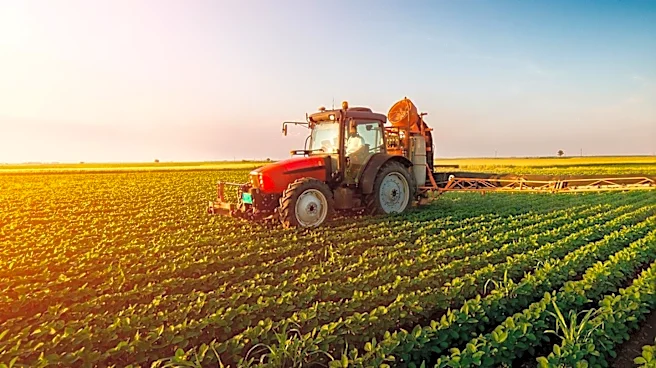
Assemblyman David Tangipa has highlighted the pressing need for regulatory reform and improved water infrastructure to support California's agriculture sector. In a recent interview on the AgNet News Hour, Tangipa discussed the challenges faced by farmers,
including high production costs due to stringent regulations and proposed new taxes on business services and commercial software. These taxes, intended to increase state revenue, could inadvertently raise operating costs for agricultural businesses reliant on specialized software. Tangipa emphasized the importance of investing in water storage and conveyance projects to ensure water reliability amidst California's fluctuating climate conditions. He also stressed the need for proactive wildfire preparedness through forest management and emergency response enhancements. Tangipa believes that California's farmers, known for their innovation and productivity, are hindered by restrictive regulations, and he advocates for policies that encourage investment and reduce uncertainty.
Why It's Important?
The issues raised by Assemblyman Tangipa are critical for the sustainability and competitiveness of California's agriculture, a key economic sector in the state. Regulatory burdens and high operational costs can drive businesses to relocate, impacting local economies and employment. Water reliability is crucial for agricultural productivity, especially in a state prone to droughts and variable rainfall. Effective wildfire management is essential to protect rural communities and agricultural lands. Tangipa's call for reform highlights the need for a balanced approach that supports economic growth while addressing environmental and community needs. The upcoming 2026 gubernatorial election presents an opportunity for voters to influence policy directions that could shape the future of California's agriculture.
What's Next?
As California approaches the 2026 gubernatorial election, the agricultural community and voters will likely scrutinize candidates' positions on key issues such as regulatory reform, water infrastructure, and rural economic development. Tangipa's advocacy may influence legislative priorities and encourage collaboration between lawmakers and the farming community. The outcome of the election could determine the state's policy direction, impacting the agricultural sector's ability to thrive. Stakeholders will need to engage in dialogue to ensure that future policies align with the needs of farmers and rural communities.