


What's Happening?
Utah Lieutenant Governor Deidre Henderson is under investigation by the U.S. Department of Justice's Civil Rights Division for her refusal to provide unredacted copies of the state's voter registration rolls to the federal government. Henderson stated
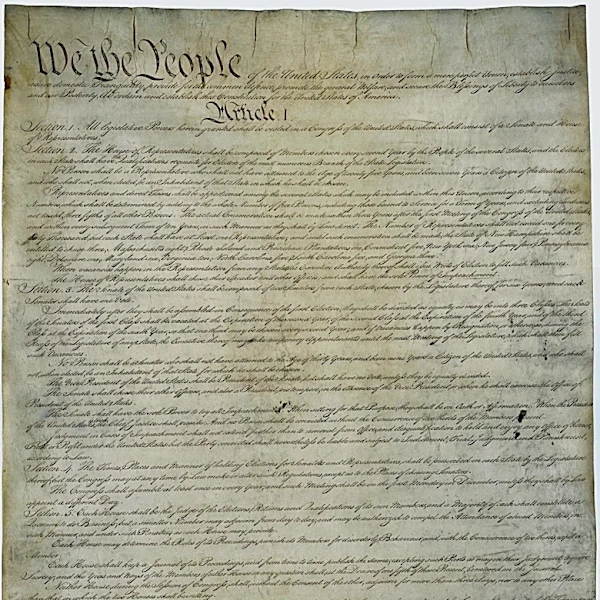
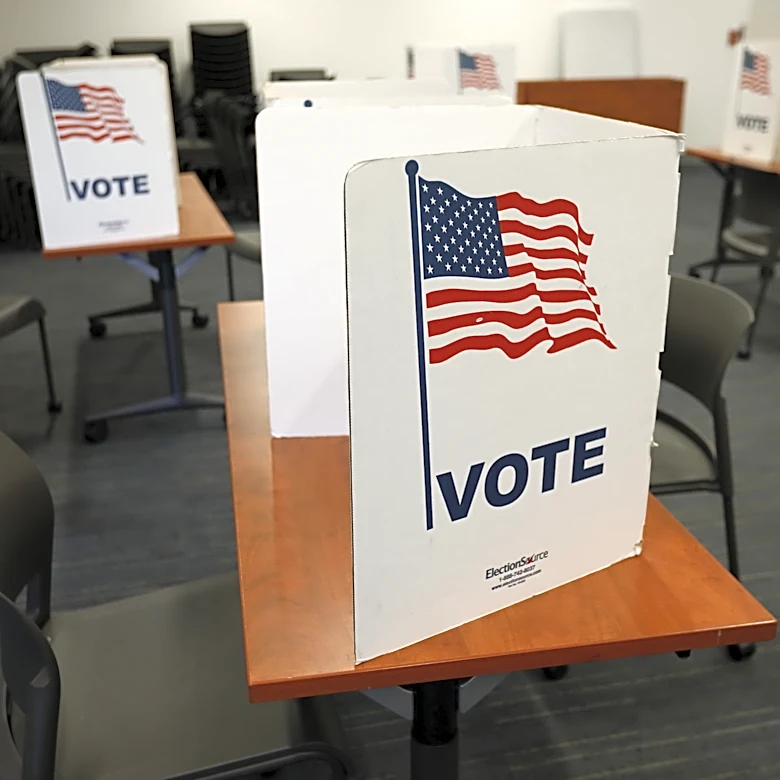
she was unaware of any investigation until receiving a letter from the DOJ, which cited potential non-compliance with the Civil Rights Act of 1960, the National Voter Registration Act, and the Help America Vote Act of 2002. The DOJ has requested unredacted voter rolls from all 50 states and the District of Columbia. Henderson argues that providing such sensitive information, including driver's license and Social Security numbers, without a valid legal reason is prohibited by state law, as only certain portions of voter rolls are publicly available. She believes the federal government's ultimate goal is to establish a nationwide, centralized voter registration system, which she asserts is neither legal nor constitutional. The U.S. Constitution grants states the primary authority over the 'time, place, and manner' of elections, with Congress having some power to override state regulations to expand voter access.
Why It's Important?
This investigation highlights a significant constitutional and legal dispute over the balance of power between federal and state governments concerning election administration. The U.S. Constitution explicitly assigns states the authority to manage elections, a principle known as federalism, which is seen as a strength due to its decentralized nature, making manipulation more difficult. The federal government's push for unredacted voter rolls, which include sensitive personal data, raises concerns about privacy and potential federal overreach into state-controlled processes. If the federal government succeeds in obtaining such comprehensive data, it could set a precedent for increased federal intervention in state elections, potentially leading to a nationalized voter registration system. This shift could undermine the decentralized system that many, including Lt. Gov. Henderson, view as a safeguard against election manipulation. The outcome of this dispute could redefine the roles of state and federal entities in election security and voter data management, impacting future electoral processes across the nation.
What's Next?
The disagreement between the Utah Lieutenant Governor and the Department of Justice is expected to be resolved through the court system, as indicated by Lt. Gov. Henderson. The DOJ has previously filed numerous lawsuits seeking sensitive voter information from states, with many cases being dismissed by courts. Attorney General Todd Blanche has suggested the possibility of appealing such cases to the U.S. Supreme Court. The ongoing legal battles will determine the extent of federal authority to demand unredacted voter rolls from states. Meanwhile, states like Utah will continue to resist what they perceive as federal overreach, emphasizing their constitutional mandate to manage elections. The broader implications could include further legislative efforts by Congress to clarify federal and state roles in election administration, or continued executive actions that test the boundaries of federal power. The resolution of this case will likely influence how voter data is managed and protected nationwide, and the degree to which federal agencies can intervene in state election processes.
Beyond the Headlines
This dispute delves into the fundamental principles of American federalism and the historical context of election administration. The founders, wary of centralized power, intentionally vested election oversight primarily with the states, with Congress having a role in setting general regulations. The current federal administration's efforts to obtain comprehensive voter data, ostensibly for election security, are viewed by some as a departure from this tradition and an attempt to nationalize elections. This raises deeper questions about trust in government institutions, the balance between election security and voter privacy, and the potential for federal actions to be perceived as intimidation tactics against state election officials. The debate also touches on the interpretation of existing federal laws, such as the Civil Rights Act, which historically expanded voter access but are now being cited to justify federal demands for extensive state data. The outcome could influence public confidence in election integrity and the future of state autonomy in managing their electoral systems.