


What's Happening?
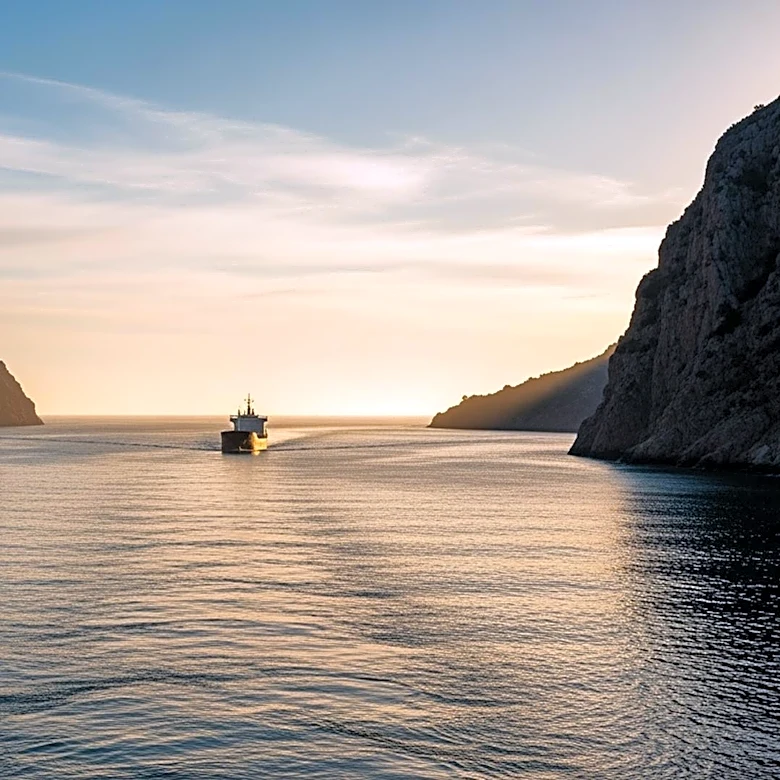
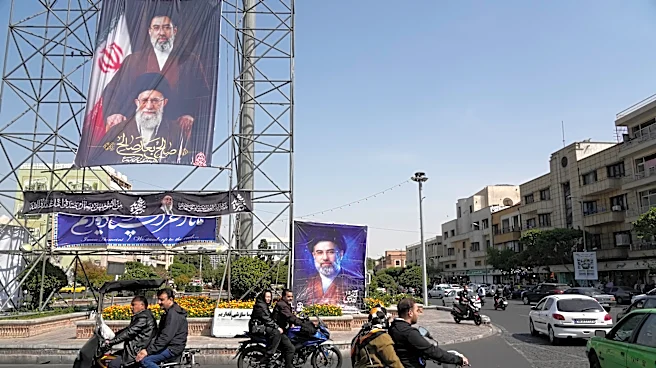
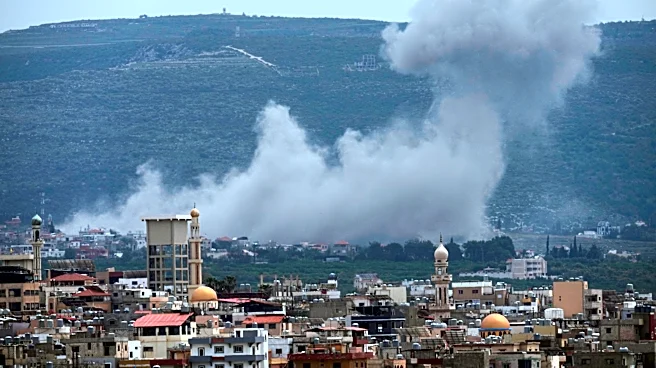
Iran has declared the Strait of Hormuz open to commercial shipping for the remainder of a ceasefire period, following U.S. pressure on Israel to halt hostilities in Lebanon. Iranian Foreign Minister Abbas Araghchi confirmed the strait's status, which
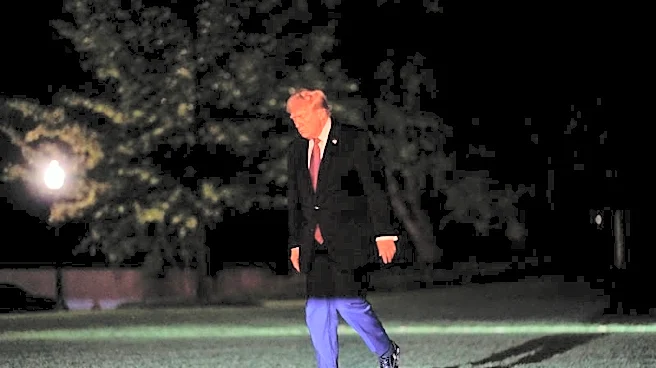
President Trump acknowledged in a social media post. The announcement has led to a decrease in oil prices, as markets anticipate reduced risks to energy supplies. The ceasefire between the U.S. and Iran is set to expire soon, with discussions underway to extend it. President Trump has indicated progress in negotiations with Iran, suggesting potential concessions on nuclear development.
Why It's Important?
The Strait of Hormuz is a vital corridor for global oil transportation, and its status directly impacts energy markets and geopolitical stability. The U.S.-Iran negotiations are crucial, as they could lead to a resolution of nuclear tensions and a lifting of the U.S. blockade. The current ceasefire and diplomatic efforts are pivotal in shaping future relations between the U.S., Iran, and other regional players. The situation underscores the interconnectedness of energy security and international diplomacy, with potential ramifications for global economic stability.
What's Next?
The expiration of the ceasefire looms, with mediators working to extend it. The outcome of U.S.-Iran negotiations will be critical in determining the future of the Strait of Hormuz and regional stability. President Trump has suggested further talks with Iranian officials, and a potential visit to Islamabad for negotiations. The international community will be monitoring these developments closely, as they could lead to significant shifts in Middle Eastern geopolitics and energy markets.