





What's Happening?
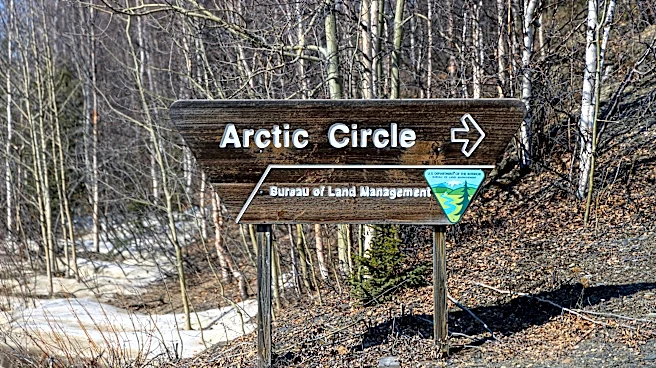
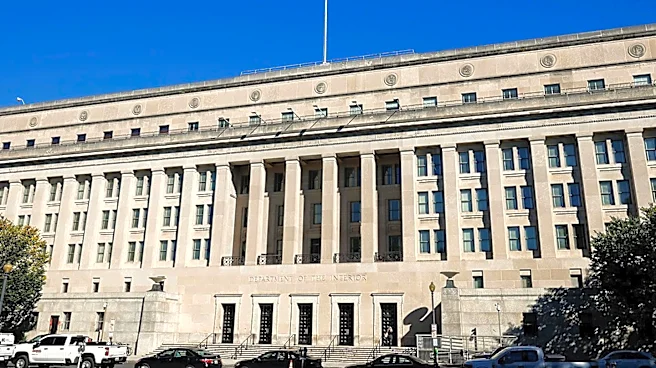
The U.S. Department of the Interior has put forth proposed updates to land use planning regulations for the Bureau of Land Management (BLM). These changes aim to streamline the BLM's planning process, making it more efficient, easier to comprehend, and better
aligned with the agency's current priorities. The existing land planning regulations, first established in 1979, have only undergone two minor revisions since their inception. Interior Secretary Doug Burgum stated that these updates are designed to reduce unnecessary bureaucratic hurdles, foster improved collaboration and coordination with state and local governments, and accelerate decision-making processes concerning public lands. The proposed regulation changes have been published in the Federal Register, initiating a 60-day public comment period. Additionally, the bureau plans to host a virtual public information session in early December to provide further details to interested members of the public.
Why It's Important?
These proposed updates to public land planning rules carry significant implications for the management and utilization of vast tracts of U.S. public lands. By aiming to reduce 'red tape' and empower state and local leaders, the Interior Department seeks to decentralize some decision-making authority, potentially leading to more responsive and locally tailored land management strategies. This could benefit various stakeholders, including agricultural producers, energy companies, and conservation groups, by creating a more predictable and efficient regulatory environment. The stated goal of making it easier to conserve natural resources while simultaneously boosting production of food and energy suggests a balancing act between environmental protection and economic development. The efficiency gains could also reduce administrative costs and accelerate project approvals, impacting industries reliant on access to public lands for their operations. Conversely, some environmental groups might scrutinize whether these changes adequately protect natural resources or if they prioritize development over conservation.
What's Next?
The proposed regulation changes are now subject to a 60-day public comment period, during which various stakeholders, including environmental organizations, industry groups, state and local governments, and the general public, can submit their feedback. This period will be crucial in shaping the final version of the rules. Following the comment period and a virtual public information session in early December, the Interior Department will review all input before finalizing the regulations. The implementation of these modernized rules could lead to a shift in how land use decisions are made across millions of acres of federal land, potentially altering the pace and nature of development, conservation efforts, and recreational access. Stakeholders will closely monitor how the department incorporates public feedback and how the new rules are applied in practice, which could influence future land management policies and legal challenges.
Beyond the Headlines
The modernization of public land planning rules reflects a broader philosophical debate about the balance between federal oversight and local control in managing national resources. This initiative could signal a long-term shift towards greater decentralization in federal land management, potentially empowering local communities and state agencies with more influence over decisions that directly affect them. Such a shift could foster innovation in land management practices, allowing for solutions better suited to regional ecological and economic contexts. However, it also raises questions about ensuring consistent environmental standards and preventing potential fragmentation of conservation efforts across different jurisdictions. The emphasis on both conservation and increased production of food and energy highlights the ongoing challenge of reconciling competing demands on public lands, a tension that will likely continue to shape policy discussions and land use conflicts for years to come.