





What's Happening?
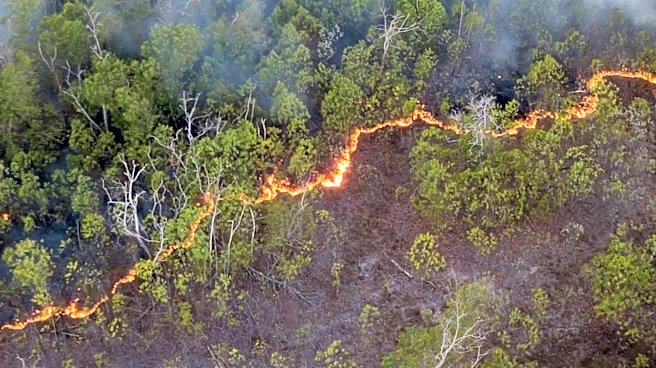
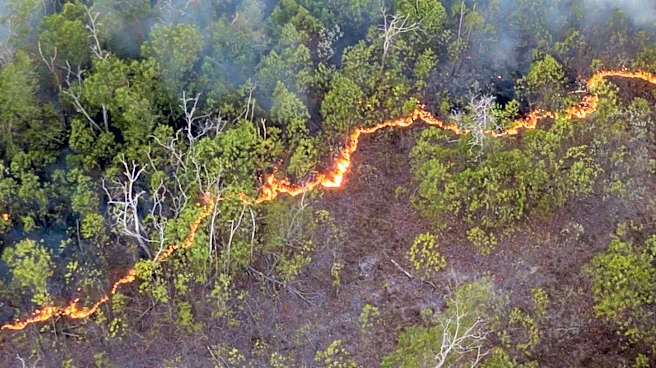
Two wildfires are currently burning in Northern Michigan's Upper Peninsula, prompting an Air Quality Alert for five counties: Baraga, Dickinson, Iron, Marquette, and Menominee. The Michigan Department of Natural Resources (DNR) is battling the Ridge Fire,
which has grown to approximately 256 acres and is located about 10 miles northwest of Marquette. Three homes were initially evacuated due to this fire, though evacuation orders have since been lifted. The second blaze, the Craig Lake Fire, covers around 309 acres in a remote and rugged area north of Craig Lake State Park. Both fires, first spotted by a pilot on October 9, are fueled by a mix of conifers and hardwoods on ridge tops and balsam and spruce in lowlands. The causes of these fires are under investigation. The Air Quality Alert was issued due to elevated levels of fine particulates (PM2.5) from the smoke, with localized pollutant levels potentially reaching 'Unhealthy for Sensitive Groups' or even 'Unhealthy' levels.
Why It's Important?
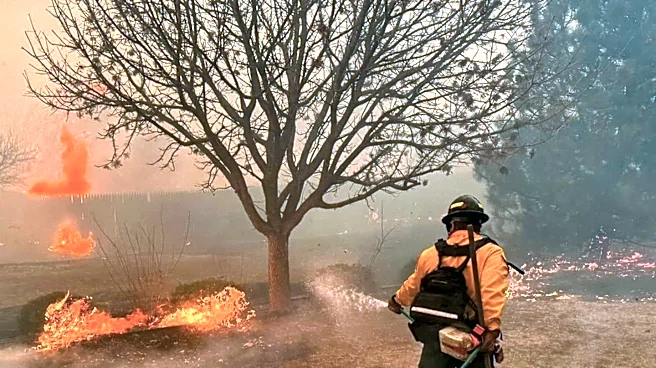
The wildfires in Northern Michigan, occurring amid significant drought conditions, underscore the vulnerability of forested regions to fire outbreaks, even outside traditionally fire-prone areas. The issuance of an Air Quality Alert highlights the immediate public health impact, particularly for sensitive groups such as individuals with heart or respiratory diseases. Smoke-related health issues can lead to increased hospitalizations and strain on healthcare systems. Furthermore, the fires necessitate the deployment of substantial firefighting resources, including 40 firefighters for the Ridge Fire and 12 for the Craig Lake Fire, with additional support from Michigan State Police and the Marquette County Sheriff's office. This diverts resources and incurs significant costs. The evacuation of homes, even temporarily, causes disruption and stress for affected residents. The ongoing investigation into the fires' causes is crucial for understanding ignition patterns and implementing future prevention strategies, especially given the role of drought in exacerbating fire conditions.
What's Next?
Firefighting crews will continue their efforts to contain and extinguish the Ridge and Craig Lake Fires. The Michigan DNR will monitor weather conditions, as increased humidity and lower temperatures have already shown to reduce fire activity. The investigation into the causes of both fires will proceed, which could inform future fire prevention policies and public awareness campaigns. Residents in the affected counties are advised to continue monitoring air quality reports and follow recommendations from environmental protection agencies, such as avoiding strenuous outdoor activities and keeping windows closed. The long-term implications of the drought conditions in the western Upper Peninsula will likely be a focus for environmental agencies, potentially leading to enhanced forest management practices and public advisories regarding fire risks in the coming seasons. The experience gained from managing these fires will contribute to regional emergency response planning.
Beyond the Headlines
The Northern Michigan wildfires, while localized, are indicative of a broader trend of increasing wildfire risk in regions not historically considered major fire zones. This phenomenon is often linked to changing climate patterns, which can lead to prolonged drought conditions and create more combustible landscapes. The health implications of wildfire smoke, extending beyond the immediate vicinity of the fires, highlight an environmental justice issue, as vulnerable populations may have limited access to clean air or resources to mitigate exposure. The economic impact goes beyond firefighting costs, affecting tourism, timber industries, and property values in affected areas. This situation prompts a re-evaluation of land management practices, emphasizing the need for proactive measures like prescribed burns and vegetation management to reduce fuel loads. It also underscores the importance of public education on fire safety, as human activities often serve as ignition sources. The incident serves as a stark reminder that wildfire preparedness is becoming a national concern, requiring adaptive strategies across diverse geographical and ecological contexts.