








What's Happening?
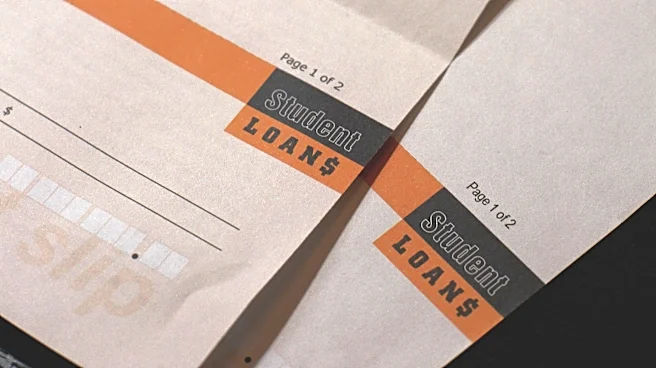
New York Attorney General Letitia James has issued a consumer alert regarding federal student loan consolidation, citing new risks and irreversible consequences stemming from recent changes in federal law, specifically the 'One Big Beautiful Bill Act'
(OBBBA) enacted by the Trump administration. Starting July 1, 2026, consolidating federal student loans can significantly limit repayment options and cut off paths to loan forgiveness. Attorney General James warns that borrowers may receive misleading advice suggesting consolidation is required or financially beneficial, which for many, could be incorrect and costly. Key changes include new consolidation loans treating borrowers as new, restricting them to the Repayment Assistance Plan (RAP) instead of older income-driven plans like Income-Based Repayment. This also means loan forgiveness under RAP will take 30 years, longer than the 20-25 years offered by previous plans. Parent PLUS borrowers face particular risk, as consolidation after July 1, 2026, will prevent them from accessing any income-driven repayment plan, leaving them with only the Tiered Standard Plan, which is ineligible for Public Service Loan Forgiveness. Even for borrowers seeking to consolidate out of default, these new risks apply, and loan rehabilitation may be a more favorable option.
Why It's Important?
This warning from Attorney General James is crucial for federal student loan borrowers across the U.S., particularly those in New York, as it highlights significant changes in federal student loan policy that could have long-term financial repercussions. The shift in consolidation rules under the OBBBA means that borrowers could inadvertently lose access to more flexible repayment plans and extend their repayment period, potentially adding years to their debt obligations. The impact on Parent PLUS borrowers is especially severe, as they could lose access to income-driven repayment options entirely, forcing them into less flexible plans that do not qualify for Public Service Loan Forgiveness. This could lead to increased financial strain for families and individuals already struggling with student debt. The alert also underscores the importance of seeking accurate information and being wary of misleading advice from loan servicers or debt relief companies, as incorrect decisions could permanently alter a borrower's financial future and access to federal assistance programs.
What's Next?
Borrowers considering federal student loan consolidation before July 1, 2026, should thoroughly research the implications of the OBBBA and seek advice from trusted, unbiased sources. Attorney General James encourages borrowers who feel pressured or receive misleading advice to file a complaint with the Office of the Attorney General (OAG). The Education Debt Consumer Assistance Program (EDCAP) is also available to provide free assistance. As the July 1, 2026, deadline approaches, there may be an increase in borrowers seeking to consolidate under the old rules, or conversely, a rise in those receiving inaccurate guidance. The OAG's continued vigilance and consumer alerts will be vital in protecting borrowers from potentially harmful decisions. The long-term effects of these policy changes will likely manifest in increased financial burdens for some borrowers and a shift in how student loan debt is managed and repaid across the country.
Beyond the Headlines
The changes highlighted by Attorney General James reflect a broader shift in federal student loan policy, potentially signaling a move towards more restrictive repayment and forgiveness options. This could have significant societal implications, affecting individuals' financial stability, their ability to purchase homes, start families, or pursue certain careers. The increased difficulty in accessing loan forgiveness programs, particularly for Parent PLUS loans, could disproportionately affect certain demographics and further exacerbate wealth disparities. The warning also brings to light the ongoing challenge of ensuring that complex federal financial policies are clearly communicated to the public, and that borrowers are protected from predatory or misinformed advice. This situation underscores the need for robust consumer protection mechanisms and accessible, accurate financial counseling to help individuals navigate the complexities of student loan debt in an evolving regulatory landscape.