




What's Happening?
Delegates at the Saskatchewan Association of Rural Municipalities (SARM) Midterm Convention have approved several agriculture-related resolutions. These measures address concerns regarding cougar attacks on livestock, elk depredation, illegal drainage
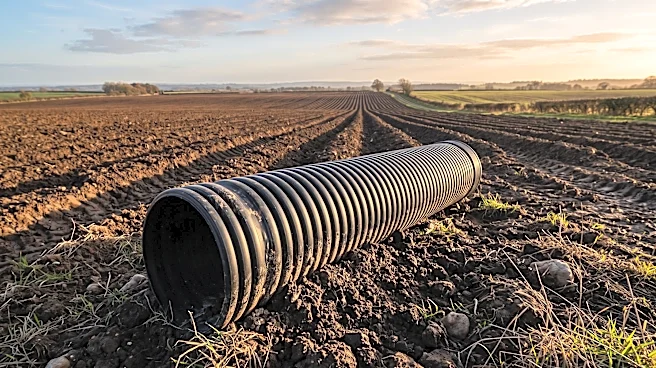
activities, and the potential introduction of GMO Brassica juncea. Curtis Lammers, Reeve for RM of Perdue #346, reported significant livestock losses due to cougar attacks, including one rancher losing 14 calves while awaiting government permission to pursue a cou cougar. This led to a resolution calling for the Province to allow trained handlers with trained dogs to hunt and track cougars. Additionally, delegates endorsed a resolution for longer depredation permit windows for elk, as current timelines are deemed insufficient to manage problem animals that damage crops and feed supplies. The Saskatchewan mustard industry also received support through a resolution opposing GMO Brassica juncea, citing potential agronomic and market access concerns. Finally, a resolution was approved asking the provincial government and Water Security Agency to hold landowners accountable for illegal drainage activities, which often create water challenges for downstream municipalities.
Why It's Important?
These resolutions highlight critical challenges faced by the agricultural sector in Saskatchewan, impacting farmers' livelihoods and the broader provincial economy. The issues of wildlife management, particularly cougar and elk depredation, directly affect livestock producers and crop farmers, leading to significant financial losses. The call for changes in wildlife regulations reflects a need for more effective and timely responses to protect agricultural assets. The opposition to GMO Brassica juncea underscores concerns about market access and the integrity of existing agricultural markets, which could have long-term economic implications for the mustard industry. Furthermore, the focus on illegal drainage points to broader environmental and land management issues, where the actions of some landowners can negatively impact others, leading to disputes and potential damage to agricultural land and infrastructure. The collective action by SARM delegates signifies a unified voice from rural municipalities seeking governmental intervention and policy adjustments to safeguard agricultural interests.
What's Next?
The approved resolutions will now serve as formal requests from SARM to the provincial government and relevant agencies, including Agriculture and Agri-Food Canada and the Canadian Food Inspection Agency. The Province will be asked to consider allowing trained dogs and handlers to track cougars and to extend depredation permit windows for elk. The concerns regarding GMO Brassica juncea will likely lead to increased lobbying efforts from producer groups, now bolstered by broader support from rural municipalities, urging intervention from federal agricultural and food inspection bodies. The Water Security Agency and the provincial government will be pressed to enhance enforcement against illegal drainage activities. The SARM Midterm Convention is set to continue with further discussions on topics such as AI, rural healthcare, regional cooperation, municipal priorities, rural infrastructure, and policy issues, indicating ongoing advocacy for rural communities.
Beyond the Headlines
The resolutions passed by SARM delegates reflect a deeper tension between agricultural practices, wildlife conservation, and environmental management. The debate over cougar and elk management highlights the ongoing challenge of balancing ecological preservation with the economic realities of farming. The call for more proactive wildlife control measures could spark discussions about the effectiveness of current wildlife management policies and the need for adaptive strategies that consider both human and animal welfare. The opposition to GMO Brassica juncea also touches upon broader issues of agricultural innovation, market protection, and consumer preferences, potentially influencing future research and development in crop science. Moreover, the emphasis on illegal drainage underscores the interconnectedness of land use practices and the need for comprehensive water management policies that address upstream and downstream impacts, potentially leading to more stringent environmental regulations and enforcement mechanisms in the agricultural sector.