
What's Happening?
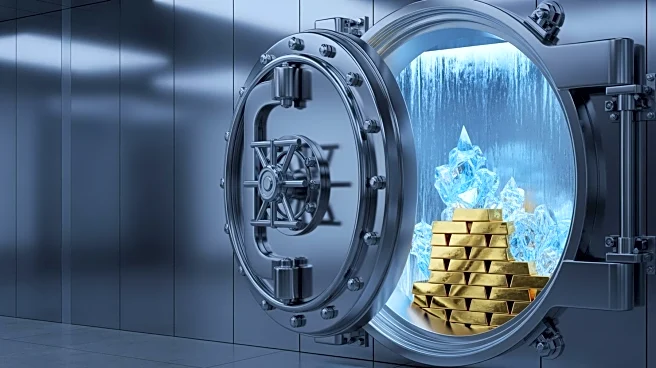
The European Union is poised to secure Russian assets frozen in Europe until Russia ceases its military actions in Ukraine and compensates for the inflicted damages. This decision, expected to be finalized
on Friday, aims to utilize the substantial Russian Central Bank assets, amounting to approximately 210 billion euros, to support Ukraine's financial and military needs over the next two years. The majority of these funds are held in Euroclear, a Belgian financial clearing house. The move is designed to circumvent potential vetoes from Hungary and Slovakia, who oppose further support to Ukraine. Hungarian Prime Minister Viktor Orbán has criticized the European Commission for allegedly violating European law to continue the war in Ukraine, while Slovak Prime Minister Robert Fico has expressed concerns about using these assets for Ukraine's military expenses.
Why It's Important?
This development is significant as it highlights the EU's strategic efforts to support Ukraine amidst ongoing conflict with Russia. By securing these assets, the EU aims to provide substantial financial backing to Ukraine, which has already received nearly 200 billion euros in support from the bloc. The decision underscores the EU's commitment to countering Russian aggression and supporting Ukraine's sovereignty. However, it also reveals internal divisions within the EU, as Hungary and Slovakia's opposition reflects differing national interests and perspectives on the conflict. The outcome of this decision could influence EU unity and its future foreign policy strategies.
What's Next?
The EU leaders are set to discuss the implementation of this decision at a summit next week. The focus will be on how to effectively utilize the frozen assets to aid Ukraine while managing dissent within the bloc. Hungary and Slovakia's resistance may lead to further diplomatic negotiations to address their concerns. Additionally, the EU will need to ensure that the legal framework for this decision is robust to withstand potential challenges. The broader geopolitical implications, including the impact on EU-Russia relations and the ongoing conflict in Ukraine, will also be closely monitored.