






What's Happening?
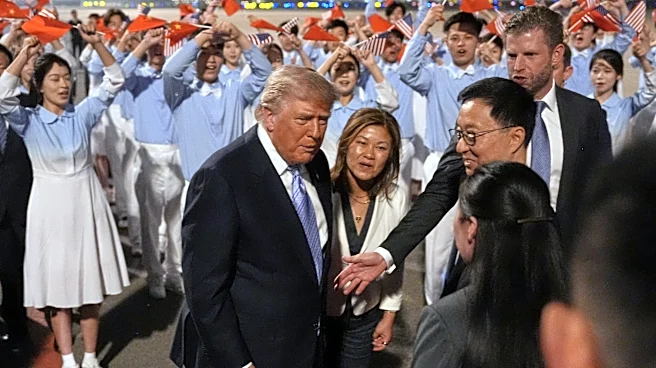
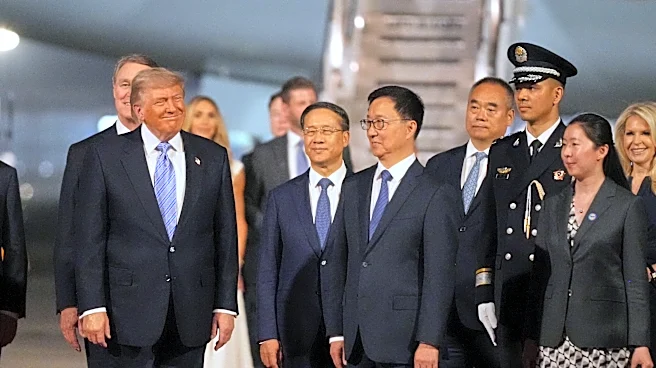
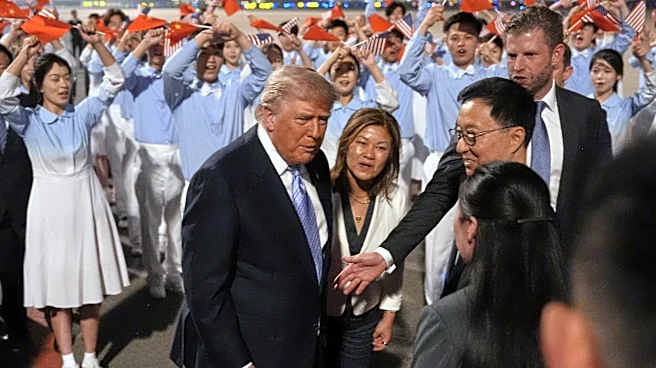
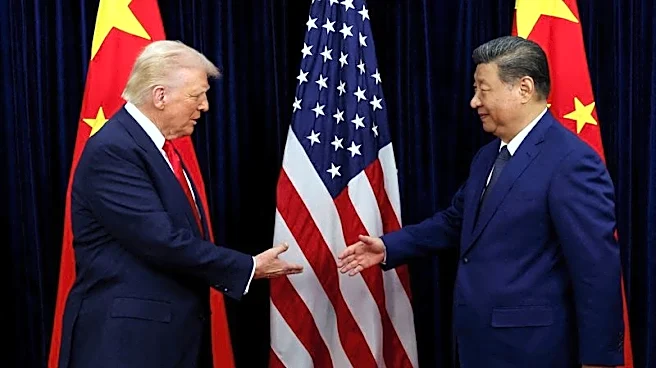
President Trump has returned from a state visit to China, where he engaged in discussions with Chinese leader Xi Jinping. Despite the diplomatic engagements, Trump faces mounting economic challenges at home, particularly with rising inflation. The U.S.
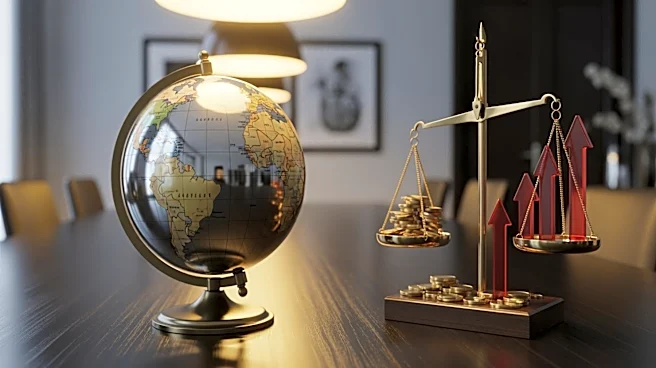
inflation rate has increased to 3.8% annually, with projections suggesting it could reach 4.2% in May. This inflationary pressure is attributed to factors such as the ongoing Iran war and tariffs imposed by the Trump administration, which have driven up prices for essential goods and services. The economic situation is becoming a significant issue as the U.S. approaches the November general elections, with many voters concerned about the rising cost of living.
Why It's Important?
The rising inflation in the U.S. poses a significant challenge for President Trump, as it affects the purchasing power of American consumers and could influence voter sentiment in the upcoming elections. Inflation outpacing wage growth effectively reduces the real income of workers, leading to economic dissatisfaction. The situation is further complicated by the geopolitical tensions with Iran, which have contributed to higher oil prices. The economic policies and international negotiations of the Trump administration are under scrutiny, as Democrats see an opportunity to leverage these economic issues against Trump in the elections. The administration's focus on foreign policy, particularly with China, may not resonate with voters who are more concerned about domestic economic stability.
What's Next?
As inflation continues to rise, the Trump administration may need to address these economic concerns more directly to maintain public confidence. Potential measures could include revisiting tariff policies or implementing strategies to stabilize prices. The administration's handling of the Iran situation and its impact on oil prices will also be critical. Political leaders, especially Democrats, are likely to continue highlighting these economic challenges as part of their campaign strategy. The upcoming elections will serve as a referendum on the administration's economic policies, and the outcome could influence future policy directions.