






What's Happening?
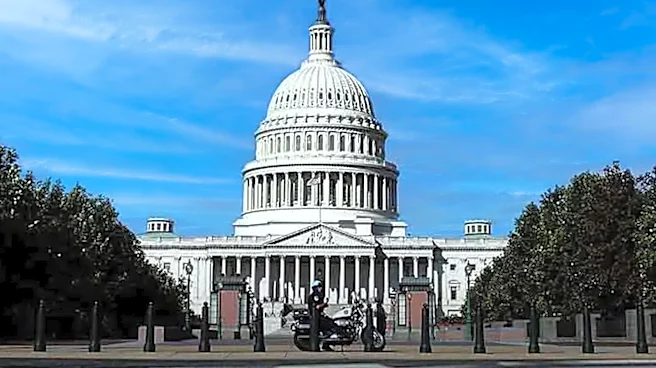
Congresswoman Alma Adams recently hosted the Historically Black Colleges and Universities (HBCU) Braintrust Luncheon as part of the Congressional Black Caucus Foundation's Annual Legislative Conference in Washington, D.C. The event convened HBCU leaders,
partners, and approximately 50 students from across the nation. The primary focus of the luncheon was to facilitate discussions on the future of HBCUs, addressing both the challenges and opportunities these institutions face. Congresswoman Adams, alongside Representative Jahana Hayes and other panelists, engaged in conversations about how businesses can contribute to creating impact and opportunities for HBCU students. The event highlighted the historical role of HBCUs in fostering community, expanding opportunities, and supporting student success, aligning with the belief that there is room for every dream. As a gesture of support, IKEA, a sponsor of the event, provided each student attendee with a $100 gift card for their dorms or apartments.
Why It's Important?
This event underscores the ongoing commitment of political leaders and corporate entities to the advancement and sustainability of HBCUs, which are vital institutions for educational equity and social mobility in the U.S. The discussions held during the luncheon are crucial for identifying strategies to overcome systemic challenges faced by HBCUs, such as funding disparities and resource limitations. By bringing together leaders, partners, and students, the event fosters a collaborative environment aimed at strengthening these institutions. Corporate involvement, exemplified by IKEA's sponsorship, demonstrates a growing recognition within the business sector of the importance of investing in HBCU talent and supporting their educational journeys. This support can lead to enhanced resources, improved infrastructure, and expanded career pathways for HBCU graduates, ultimately benefiting diverse communities and the national workforce. The focus on the future of HBCUs also highlights their critical role in producing a significant portion of Black professionals in various fields, making their continued success integral to national progress.
What's Next?
The discussions and partnerships forged at the HBCU Braintrust Luncheon are likely to inform future legislative efforts and corporate initiatives aimed at supporting HBCUs. Congresswoman Adams, a known advocate for these institutions, may leverage the insights gained to propose new policies or reintroduce existing legislation designed to address the needs of HBCUs and their students. The engagement of businesses like IKEA suggests a potential for increased corporate sponsorships, internships, and recruitment efforts targeting HBCU students. This could lead to more robust financial support, enhanced academic programs, and greater career opportunities for graduates. Furthermore, the event's emphasis on the challenges and opportunities facing HBCUs could inspire further dialogue and collaboration among educational leaders, policymakers, and industry stakeholders, potentially leading to a more coordinated national strategy for HBCU development and sustainability. The continued advocacy by figures like Congresswoman Adams will be key in translating these discussions into tangible outcomes for HBCU communities.
Beyond the Headlines
Beyond the immediate discussions, the HBCU Braintrust Luncheon reflects a broader societal recognition of the historical and ongoing contributions of HBCUs to American society. These institutions have played a pivotal role in educating Black Americans during periods of segregation and continue to be crucial engines of social and economic advancement. The event highlights the ethical imperative to ensure equitable access to quality education for all students, particularly those from historically marginalized communities. The involvement of corporate partners also signals a shift towards a more inclusive approach to talent acquisition and corporate social responsibility, recognizing the diverse talent pool cultivated by HBCUs. This sustained engagement can help dismantle systemic barriers and foster a more equitable educational landscape. The long-term implications include strengthening the pipeline of diverse professionals in various sectors, promoting cultural preservation, and reinforcing the foundational values of diversity and inclusion within the U.S. educational system and workforce.