






What's Happening?
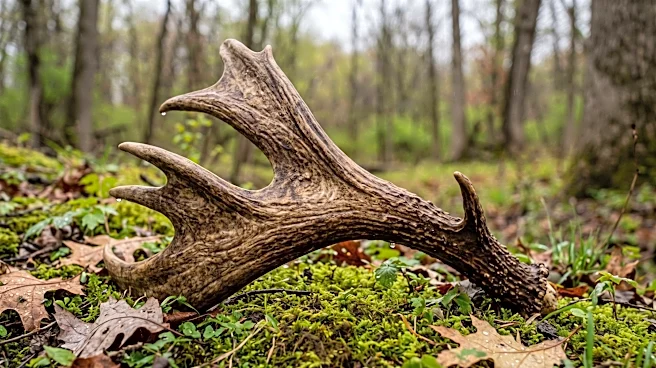
Vermont's 16-day rifle deer hunting season is set to begin with a significant rule change: for the first time in 39 years, hunters will be permitted to shoot antlerless and female deer during the regular season. Previously, the harvest of antlerless deer was
restricted to other seasons, such as archery and muzzleloader. This change, decided by the Fish and Wildlife Board in 2025, aims to manage the deer population in specific areas where it has become overabundant, including the Champlain Valley, Connecticut River Valley, and the Barre-Montpelier area. The state expects between 60,000 and 65,000 hunters to participate, with 12,050 antlerless deer permits issued by lottery. This is projected to result in approximately 3,000 female and antlerless deer being harvested during the regular season.
Why It's Important?
This rule change is important for several reasons, primarily concerning wildlife management and ecological balance in Vermont. An overabundance of deer can lead to increased deer-car collisions, a higher risk of tick-borne disease transmission, and declining forest health due to overgrazing. By allowing the harvest of antlerless deer during the rifle season, the state aims to control population growth more effectively in areas where it poses ecological and public safety concerns. The change also reflects a shift in hunting regulations, which are reviewed every five years, and indicates a proactive approach to managing natural resources. While some seasoned hunters express apprehension about the potential impact on deer populations, state officials emphasize the conservative nature of the permit issuance to avoid over-harvesting, highlighting the delicate balance between conservation and recreational hunting.
What's Next?
The Vermont Fish and Wildlife Department will closely monitor the impact of this rule change throughout the current rifle season and in subsequent years. Deer Project Leader Nick Fortin indicated that while the department hopes this change will be effective long-term, they are proceeding cautiously due to its significant social implications. Discussions among hunters regarding the change are expected to continue, with some expressing concerns about safety and the potential for over-harvesting, while others support the state's due diligence in wildlife management. The department will likely analyze harvest data, hunter feedback, and ecological indicators to assess the success of the new regulation and make any necessary adjustments in future seasons. This initial implementation will serve as a critical test for the long-term viability and acceptance of antlerless deer hunting during the regular rifle season.
Beyond the Headlines
Beyond the immediate impact on deer populations and hunting practices, this rule change touches upon broader themes of human-wildlife coexistence and the evolving role of conservation. The debate among hunters—some wary of change, others trusting state management—reflects diverse perspectives on environmental stewardship and the balance between tradition and scientific management. The ecological rationale behind the decision, such as reducing tick-borne diseases and protecting forest ecosystems, highlights the interconnectedness of wildlife management with public health and environmental sustainability. This development could also influence future wildlife management strategies in other states facing similar challenges with deer overpopulation. It underscores the ongoing need for adaptive management practices that consider both ecological data and community input to ensure healthy ecosystems and sustainable recreational activities.