




What's Happening?
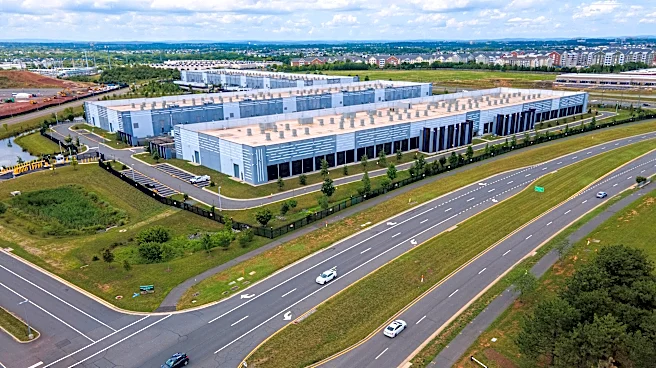
U.S. Representative Suhas Subramanyam, a Democrat from Loudoun, Virginia, has introduced new legislation aimed at regulating data centers. This initiative comes as Virginia hosts the highest concentration of data centers in the nation, with nearly 400
currently operating and over 200 more planned. The proposed legislation, known as the Data Center Fair Share Act, seeks to address the significant energy demands of these facilities. Specifically, the act directs states to develop a tariff that would be levied on data centers and other large-load electricity users. The primary goal of this tariff is to ensure that these facilities bear the cost of the energy infrastructure required to serve them, rather than shifting these expenses to residential ratepayers. The bill also includes a provision that would put federal highway funding at risk for states that fail to implement such a tariff. This legislative effort is part of a broader slate of proposals targeting the data center industry, co-introduced by Representative Subramanyam and U.S. Senator Mark Warner, D-Va., drawing on their direct experience with the industry's growth in their state.
Why It's Important?
This legislation is important because it addresses a growing concern regarding the economic and environmental impact of data centers, particularly in states like Virginia that have become major hubs for these facilities. By requiring data centers to pay for the energy infrastructure they necessitate, the Data Center Fair Share Act aims to protect residential ratepayers from increased electricity costs. This could have significant implications for household budgets and the overall cost of living in areas with high data center concentrations. Furthermore, the bill's provision linking federal highway funding to the implementation of these tariffs introduces a powerful incentive for states to adopt the new standards, potentially reshaping how states manage energy infrastructure development in response to industrial growth. The legislation also highlights a broader federal interest in standardizing the siting, power, and water usage transparency of data centers, which could influence future national policy on technology infrastructure and energy consumption. This move could set a precedent for how other energy-intensive industries are regulated across the U.S., impacting both economic development and environmental sustainability.
What's Next?
The Data Center Fair Share Act, along with other legislative proposals from Representative Subramanyam and Senator Warner, will now proceed through the legislative process in Congress. The immediate next step involves committee hearings and potential amendments as lawmakers debate the specifics of the tariffs and the implications for states and the data center industry. Stakeholders, including data center operators, utility companies, state governments, and consumer advocacy groups, are expected to engage in lobbying efforts to influence the bill's trajectory. If passed, states would then be tasked with developing and implementing the required tariffs, a process that could involve complex regulatory changes and potential legal challenges from affected businesses. The threat of losing federal highway funds could accelerate state compliance, but it also raises questions about federal overreach into state-level energy policy. The outcome of this legislation could significantly alter the operational costs for data centers and influence future investment decisions in states that are currently attractive due to lower energy costs or less stringent regulations.
Beyond the Headlines
Beyond the immediate financial and regulatory implications, this legislation touches upon deeper issues concerning the equitable distribution of infrastructure costs and the environmental footprint of the digital economy. The rapid expansion of data centers, driven by increasing demand for cloud computing and digital services, places immense strain on local power grids and water resources. This bill attempts to internalize some of these external costs, prompting a reevaluation of who ultimately pays for the infrastructure supporting the digital age. It also raises ethical questions about the balance between fostering technological growth and protecting local communities and residential consumers from the associated burdens. The potential loss of federal highway funds for non-compliant states could also spark a broader debate about federal incentives and penalties in shaping state-level economic and environmental policies. This legislative push could signal a shift towards more stringent oversight of energy-intensive industries, potentially influencing how future technological advancements are integrated into existing infrastructure and community planning across the United States.