



What's Happening?
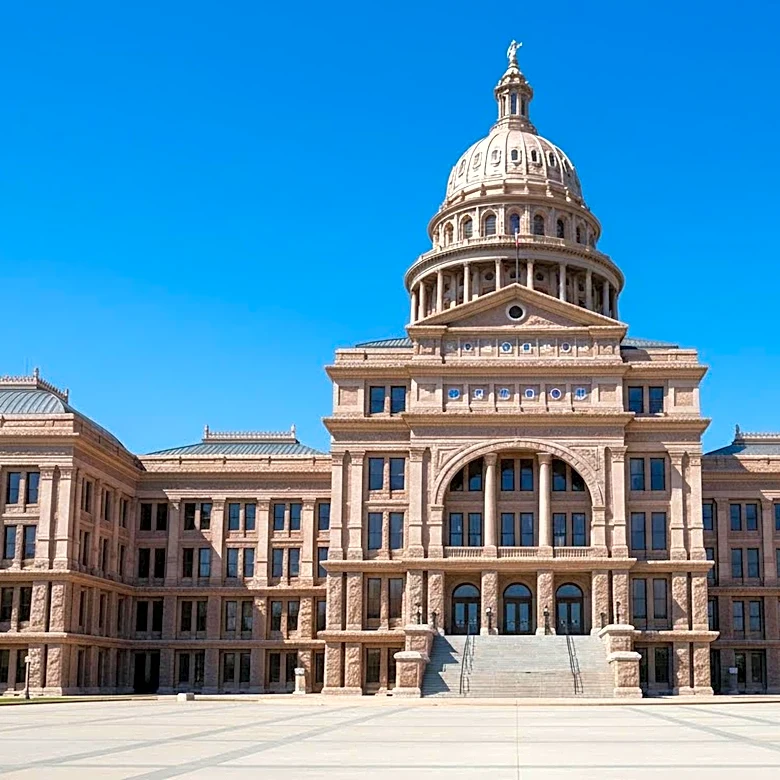
Texas lawmakers are currently debating proposals to strengthen state regulations aimed at limiting foreign influence in university research. This discussion follows a recent federal directive for 30 institutions nationwide, including the University of
Texas at Austin, to conduct security audits of certain foreign researchers and financial ties. A state law enacted last year already prohibits public universities from accepting most gifts from foreign-adversary governments or affiliated sources, mandates screening of foreign researchers, and restricts specific partnerships. During a House Higher Education Committee hearing, Michael Lucci, founder of the advocacy group State Armor, advocated for more stringent measures, suggesting an automatic ban on broad categories of research partnerships with foreign-adversary countries, rather than a case-by-case assessment. He cited research publications and alleged university ties involving Texas researchers and Chinese institutions, some reportedly linked to China’s military or government, as evidence of existing gaps. University research-security officials from institutions like Texas A&M, MD Anderson, and Rice expressed openness to external reviews but cautioned against nationality-based screening or a blanket ban on international collaboration.
Why It's Important?
The debate over foreign influence in Texas universities is critical for several reasons, impacting national security, intellectual property protection, and the future of academic research. Texas boasts 16 universities with the Carnegie Foundation’s top research classification (R1), more than any other state, making it a significant hub for innovation and scientific advancement. Protecting this research from foreign adversaries is paramount to maintaining U.S. technological leadership and national security. The proposed measures, if implemented, could significantly alter how Texas universities engage in international collaborations, potentially affecting research funding, talent acquisition, and the global exchange of knowledge. While stricter controls aim to safeguard sensitive information and prevent espionage, there is a concern that overly broad restrictions could stifle legitimate academic partnerships and lead to a perception of xenophobia, potentially deterring international students and researchers. The balance between security and academic freedom is a central tension in this discussion, with implications for the state's economic competitiveness and its role in global scientific progress.
What's Next?
The Texas House Higher Education Committee will continue to consider various proposals for strengthening regulations on foreign influence in university research. The federal order for security audits, which must be completed by August 31, will likely provide further data and insights that could inform future state legislation. Lawmakers will need to reconcile the differing viewpoints from advocacy groups pushing for stricter bans and university officials who advocate for a more nuanced approach that balances security with academic collaboration. Gov. Greg Abbott's 2024 executive order, which directed state agencies and public universities to protect infrastructure and intellectual property from specific foreign entities, and his January directive to freeze new H-1B visa petitions without prior approval, indicate a clear executive intent to address this issue. The ongoing discussions and potential legislative actions will shape the future landscape of international research partnerships and intellectual property protection within Texas's higher education system. Universities will need to adapt their compliance frameworks to any new state and federal mandates.
Beyond the Headlines
The discussion surrounding foreign influence in Texas universities extends beyond immediate security concerns to touch upon broader ethical and cultural dimensions of academic collaboration. The push for stricter controls raises questions about the potential for profiling based on nationality and the impact on the diversity and inclusivity of academic environments. Universities are inherently global institutions, thriving on the free exchange of ideas and talent across borders. Overly restrictive policies could inadvertently create an atmosphere of suspicion, hindering legitimate scientific advancements that often rely on international cooperation. There's also the challenge of defining 'foreign adversary' and ensuring that such classifications do not lead to discriminatory practices. The long-term implications could include a shift in global research dynamics, with the U.S. potentially becoming less attractive to international scholars if policies are perceived as overly protectionist or unwelcoming. This debate forces a critical examination of how to protect national interests without compromising the fundamental values of open inquiry and global collaboration that underpin higher education.