

What's Happening?
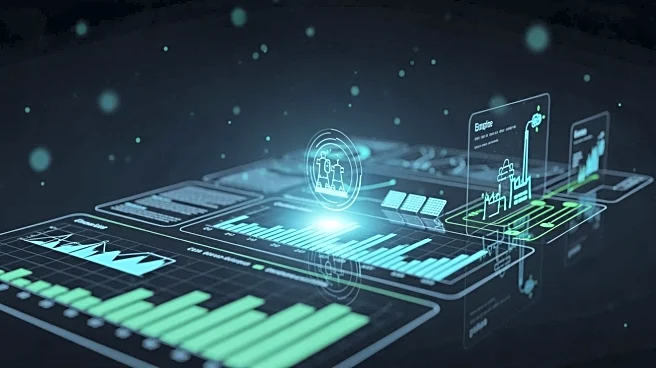
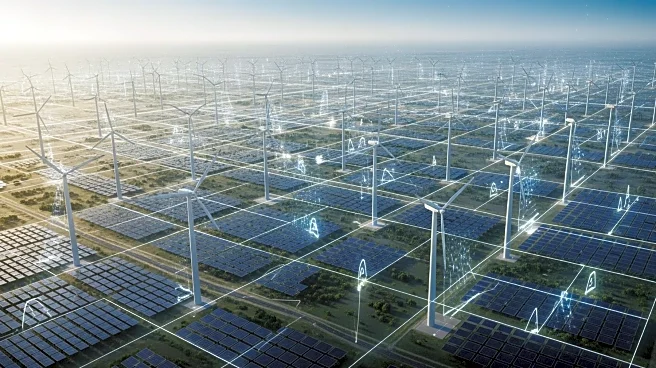
The global transition towards renewable energy is being supported by advancements in resource assessment using gridded climate datasets. These datasets are crucial for evaluating the technical and economic feasibility of wind and solar farm projects.
They help identify optimal locations for energy yield by mapping renewable energy resource potential and site constraints. The use of reanalyses and satellite-derived datasets provides consistent global coverage and includes energy-specific variables, aiding in the planning and development of renewable energy projects.
Why It's Important?
Accurate renewable energy resource assessments are vital for the successful deployment of wind and solar projects. They influence financial decisions, investment attraction, and project feasibility. By providing detailed insights into resource availability and site constraints, these assessments help optimize energy production and reduce financial risks. The integration of gridded climate datasets into renewable energy planning supports the transition to sustainable energy sources, contributing to climate change mitigation and energy security.
What's Next?
The continued development and refinement of gridded climate datasets will likely enhance the accuracy and reliability of renewable energy assessments. Future efforts may focus on improving spatial and temporal resolution, incorporating climate change projections, and addressing uncertainties in energy yield estimates. Collaboration between researchers, policymakers, and industry stakeholders will be essential to advance these technologies and integrate them into energy planning and policy frameworks.
Beyond the Headlines
The use of gridded climate datasets in renewable energy assessments highlights the importance of data-driven decision-making in the energy sector. It underscores the need for transparency, standardization, and open-access data to support equitable access to renewable energy resources. The integration of these datasets into energy planning could also drive innovation in energy modeling and forecasting, leading to more resilient and adaptive energy systems.