





What's Happening?
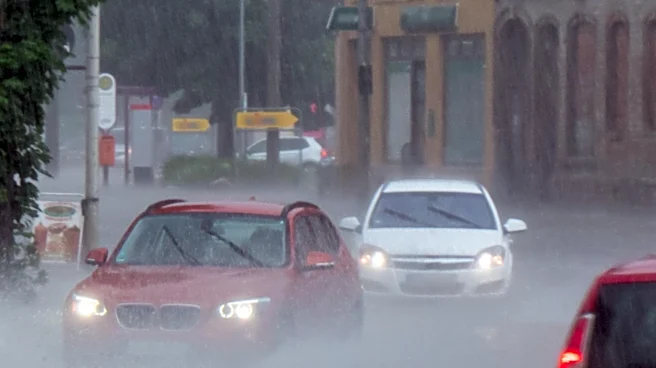
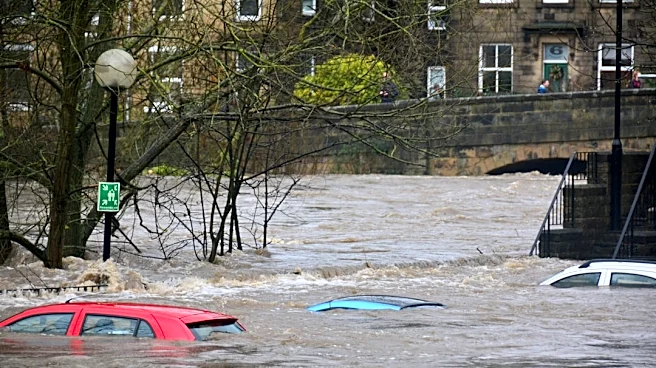
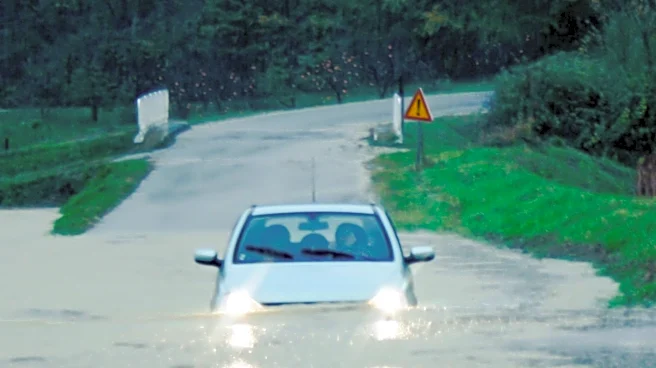
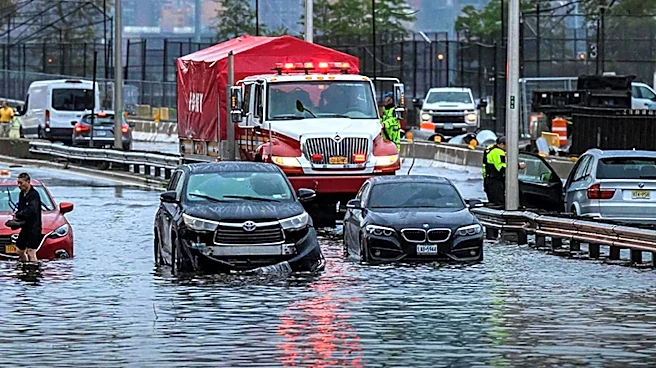
The I-95 corridor, specifically in New Jersey and Connecticut, is experiencing dangerous flash flooding due to heavy rainfall. This severe weather event has necessitated multiple water rescues, indicating significant disruption and hazardous conditions
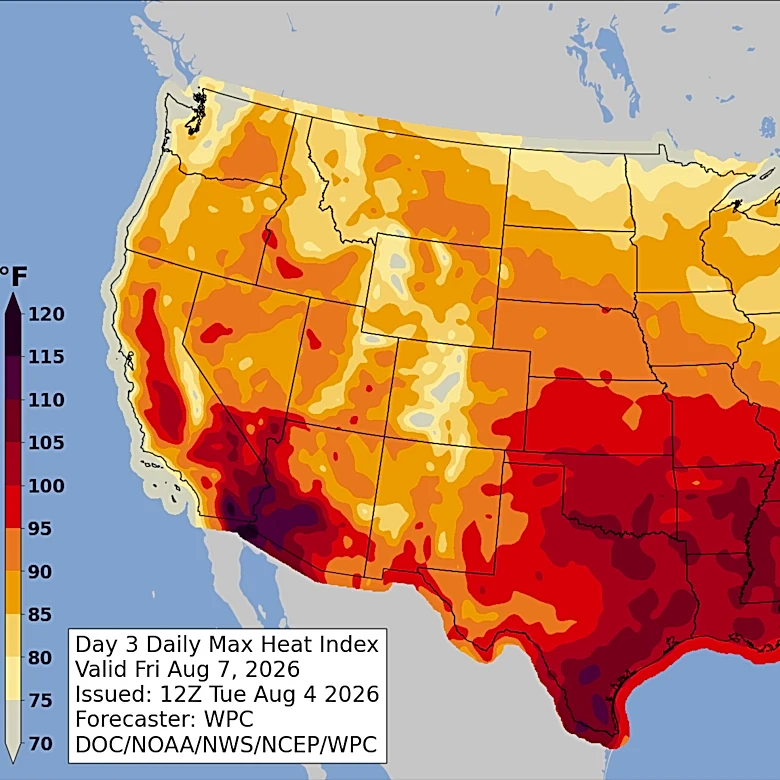
for residents and travelers. The flooding is widespread, impacting major transportation routes and potentially residential areas. The situation is part of a broader weather pattern, with a new flash flood threat also emerging for parts of the Midwest, and dangerous heat continuing across the South and Central U.S. This combination of extreme weather events highlights a period of significant meteorological challenges across various regions of the country. Emergency services are actively engaged in responding to the immediate dangers posed by the flooding.
Why It's Important?
The flash flooding along the I-95 corridor and the emerging threat in the Midwest have significant implications for public safety, infrastructure, and regional economies. The I-95 corridor is a critical transportation artery on the East Coast, and its disruption can lead to widespread travel delays, impacting supply chains and daily commutes. Water rescues indicate immediate threats to human life and property, placing a strain on emergency services and local resources. Economically, businesses in affected areas may face closures, property damage, and lost revenue. The combination of flash floods and dangerous heat in other regions underscores the increasing frequency and intensity of extreme weather events, which can lead to long-term challenges for urban planning, disaster preparedness, and climate resilience efforts across the U.S. The need for robust infrastructure and effective emergency response systems is highlighted by these events.
What's Next?
Authorities will continue to monitor weather patterns, particularly the new flash flood threat in the Midwest and the persistent heat in the South and Central U.S. Residents in affected and at-risk areas are advised to stay informed through local weather advisories and emergency alerts. Emergency services will remain on high alert, conducting further rescues and providing assistance as needed. Efforts to assess and repair damaged infrastructure, especially along the I-95 corridor, will likely begin once floodwaters recede. There may be discussions at local and state levels regarding improvements to flood control measures and emergency response protocols in light of these events. The long-term forecast will be crucial for determining the duration and extent of the recovery efforts.
Beyond the Headlines
The recurring and intense weather events, such as the flash floods along the I-95 corridor and the dangerous heat, point to deeper environmental and societal challenges. These incidents highlight the increasing vulnerability of urban infrastructure to climate change and the need for more resilient designs and adaptive strategies. The economic impact extends beyond immediate damages, affecting insurance markets, property values, and the long-term viability of certain regions. Socially, these events disproportionately affect vulnerable populations who may lack the resources to evacuate or recover. The strain on emergency services also raises questions about resource allocation and preparedness for future, potentially more severe, weather phenomena. This situation underscores the urgent need for comprehensive national strategies to address climate resilience and disaster preparedness.