






What's Happening?
NATO is shifting its focus towards measuring member states' resilience through tangible capabilities rather than relying solely on laws, strategies, or continuity plans. A new model proposes assessing each of NATO’s seven resilience requirements across
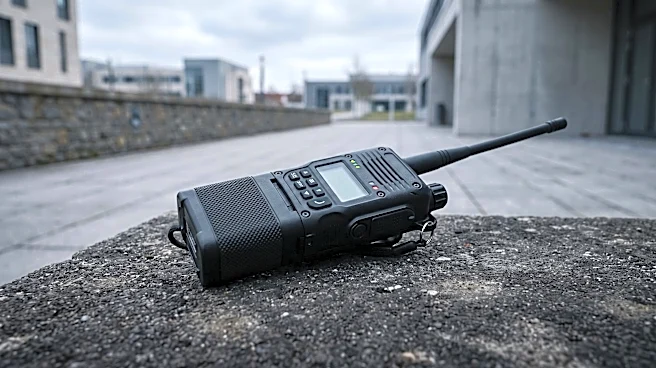
five dimensions: regulatory, organizational, resource, operational, and verification. This approach aims to ensure that member states can maintain essential functions during disruptions. For instance, in civil communications, NATO requires reliable and secure systems during crises. The new assessment would measure service availability, restoration time after failure, backup system switch-over time, network redundancy, and the proportion of the population reached by alert systems. Exercises would then test these capabilities, identifying gaps and necessary corrective actions. This initiative seeks to translate NATO's resilience requirements into concrete, testable capabilities with assigned indicators and thresholds.
Why It's Important?
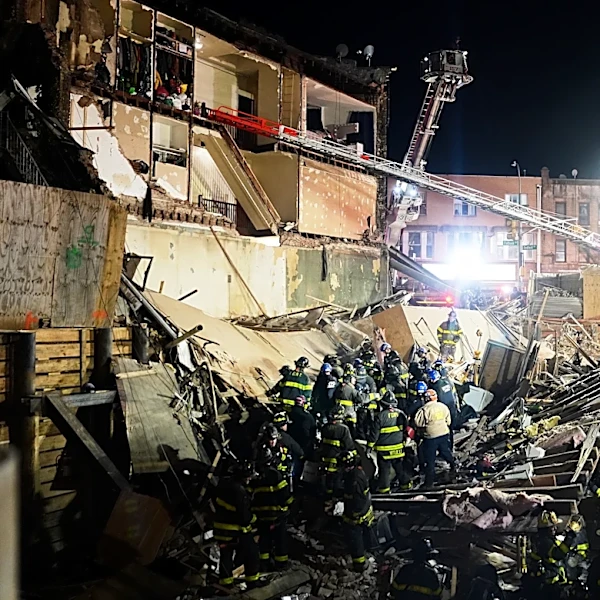
This shift is crucial for enhancing the collective defense and security of NATO member states, including the United States. By focusing on measurable capabilities, NATO aims to ensure that its members are genuinely prepared for real-world disruptions, whether from conflict, natural disasters, or cyberattacks. This approach moves beyond theoretical planning to practical readiness, which directly impacts the alliance's ability to respond effectively to threats. A more resilient NATO means stronger deterrence and a greater capacity to protect shared interests. For the U.S., this translates to more reliable allies and a more robust collective security framework, potentially reducing the burden on U.S. resources in times of crisis. Industries involved in critical infrastructure, such as telecommunications and energy, will likely see increased demand for resilient solutions and testing protocols.
What's Next?
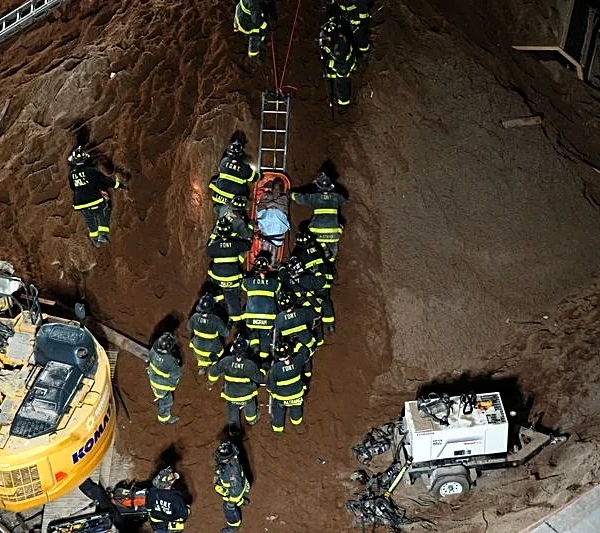
The implementation of this new resilience assessment model will involve member states translating NATO requirements into national objectives, identifying specific capabilities, assigning responsible authorities, and allocating necessary resources. This will likely lead to a series of national audits and exercises designed to test these capabilities against defined indicators and thresholds. Gaps identified through these assessments will necessitate corrective actions, potentially involving investments in infrastructure, technology, and personnel training. NATO will likely continue to refine this model based on feedback from member states and the outcomes of initial assessments. This ongoing process will aim to continuously improve the alliance's overall resilience and preparedness for future challenges.
Beyond the Headlines
This emphasis on measurable capabilities reflects a broader strategic evolution within NATO, moving towards a more pragmatic and results-oriented approach to security. It underscores the understanding that modern threats require more than just policy documents; they demand demonstrable operational readiness. This could lead to increased standardization of resilience metrics across member states, fostering greater interoperability and collective strength. Furthermore, it highlights the growing importance of civil preparedness as an integral component of national security, blurring the lines between military and civilian defense efforts. The long-term implication is a more integrated and robust defense posture for the entire alliance, better equipped to face a complex and unpredictable global security landscape.