




What's Happening?
Colorado Governor Jared Polis has formally requested a major disaster declaration from President Trump and FEMA to aid recovery efforts in Pueblo, Custer, and Ouray counties. This request follows the Aspen Acres and Gold Mountain Fires, which burned over 140,000
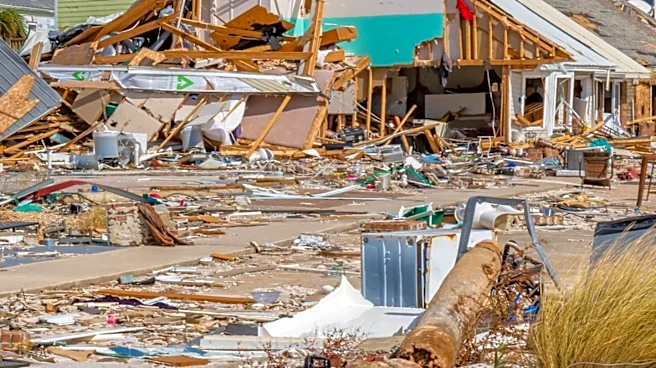
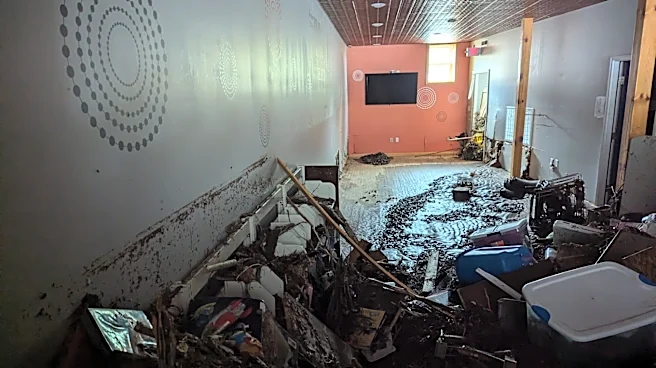
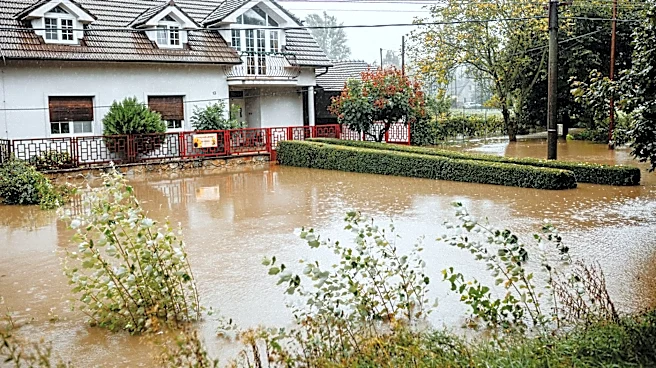
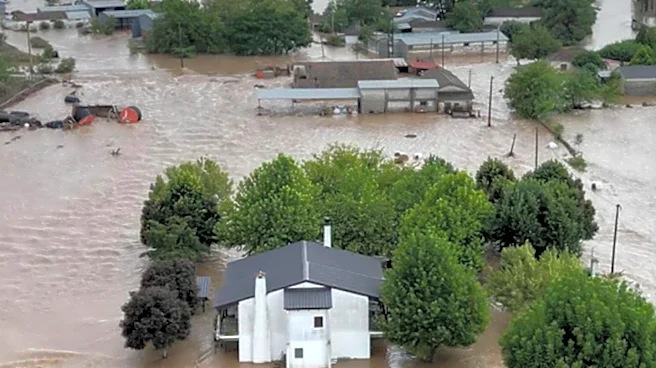
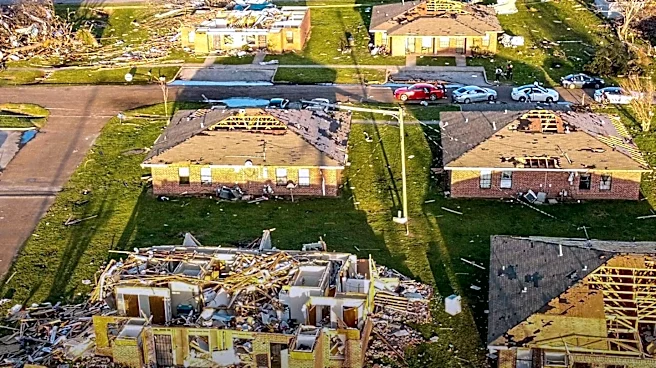
acres, destroyed 324 homes, and damaged critical infrastructure. The Aspen Acres Fire alone became Colorado's seventh-largest wildfire and the most destructive in terms of homes lost since the Marshall Fire. The damage was compounded by heavy rainfall over the burn scars in late July and August, leading to repeated flooding and debris flows, including a deadly incident on August 16th. The state is seeking Individual Assistance for direct support to households, Public Assistance for state and local governments to cover costs for debris removal and infrastructure repairs, and FEMA Hazard Mitigation Grant Funding for long-term solutions to reduce future disaster impacts. State and federal teams have identified approximately $17.2 million in eligible public assistance damages from the Aspen Acres Fire and $1.4 million from the Gold Mountain Fire.
Why It's Important?
The request for federal disaster aid is crucial for Colorado as the scale of the recent wildfires and subsequent flooding has overwhelmed state and local resources. The denial of similar requests in the past, such as for the Elk and Lee fires and Western Slope flooding, left local governments without access to vital federal recovery programs. Custer County Sheriff Rich Smith estimates losses from the Aspen Acres Fire alone could exceed $500 million, far surpassing the assistance available through FEMA's Fire Management Assistance Grant program. Many affected residents, particularly retirees and veterans on fixed incomes, may not have the means to rebuild without federal assistance. The approval of this declaration would provide essential financial support for temporary housing, home repairs, infrastructure reconstruction, and long-term mitigation efforts, directly impacting the ability of communities to recover and rebuild. The White House's stance emphasizes that federal funds should supplement, not substitute, state and local disaster response efforts, highlighting an ongoing debate about the division of responsibility in disaster recovery.
What's Next?
The request for a major disaster declaration now awaits a decision from President Trump. Colorado's congressional delegation, including Senators Michael Bennet and John Hickenlooper and Representatives Jeff Hurd and Brittany Pettersen, have voiced their support, urging swift approval. The White House has stated that President Trump conducts a thorough review of disaster declaration requests to ensure federal funds are used appropriately and efficiently. If approved, the federal assistance would provide various forms of FEMA support, including Individual Assistance for affected households, Public Assistance for government and non-profit organizations, and Hazard Mitigation Grant Funding for long-term resilience. The outcome will determine the extent of federal involvement in Colorado's recovery from these devastating natural disasters and will set a precedent for future disaster aid requests, particularly given President Trump's past denials of similar requests from the state.
Beyond the Headlines
The recurring nature of large-scale wildfires and subsequent flooding in Colorado, exacerbated by climate patterns, underscores a broader national challenge in disaster preparedness and recovery. The debate over federal versus state responsibility in disaster funding highlights the increasing financial burden on states facing frequent and severe natural catastrophes. The White House's emphasis on states investing in their own resilience before disasters strike suggests a potential shift towards greater state accountability, which could strain local budgets in vulnerable regions. This situation also brings to light the long-term socio-economic impacts on communities, particularly for vulnerable populations like retirees and veterans, who may lack the resources to recover independently. The need for comprehensive, long-term strategies that integrate federal, state, and local efforts, alongside robust hazard mitigation programs, is becoming increasingly critical to address the escalating costs and human toll of such events.