


What's Happening?
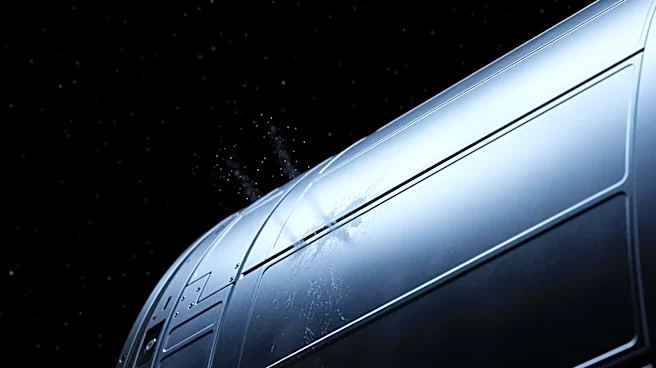
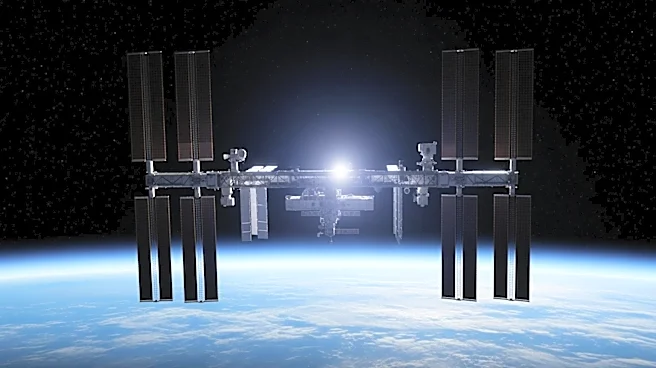
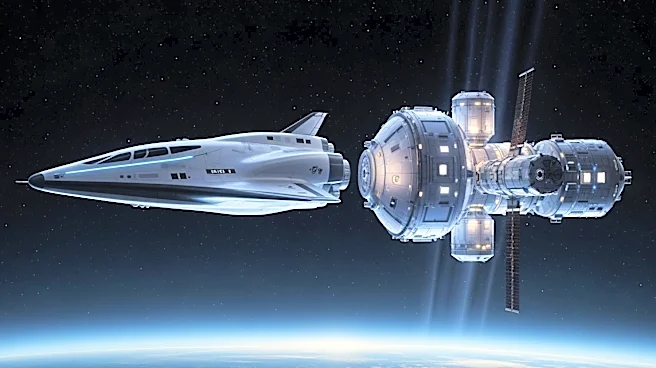
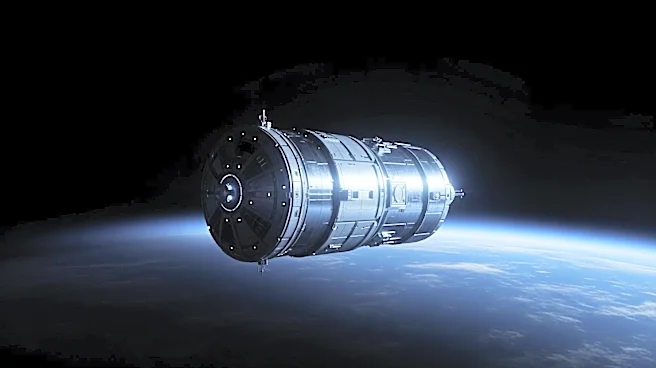
NASA has directed five astronauts aboard the International Space Station (ISS) to take shelter in a spacecraft due to an air leak in the Russian-controlled section of the station. The leak, located in the Zvezda module, has been a known issue since 2019,
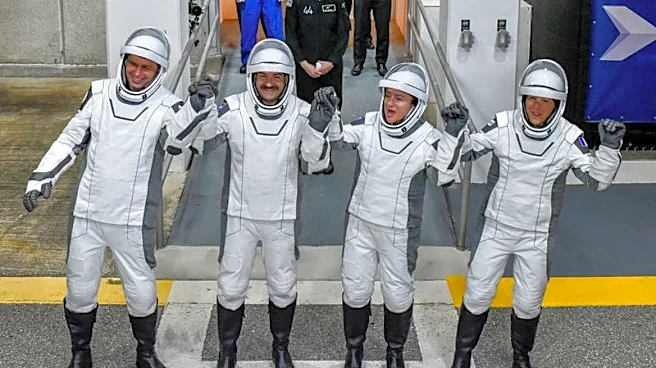
with varying severity over the years. Recently, Roscosmos, the Russian space agency, attempted to address the leak by cutting a bracket for better access, but the plan was halted due to potential risks. The astronauts, including members of the SpaceX Crew-12 mission, were ordered to prepare for an emergency evacuation. The situation was deemed not immediately threatening, and NASA supported Roscosmos' decision to pause the repair efforts for further assessment.
Why It's Important?
The recurring leaks in the ISS highlight ongoing challenges in maintaining the aging space station, which has been operational for over 25 years. The situation underscores the importance of international collaboration in space exploration, as the ISS is a joint effort between NASA and Roscosmos. The leaks also raise concerns about the long-term viability of the ISS, especially as NASA plans to maintain operations through 2030, while Russia has not committed beyond 2028. The incident emphasizes the need for reliable infrastructure in low-Earth orbit, crucial for future deep-space missions and national security, particularly in light of China's advancements in space technology.
What's Next?
The future of the ISS remains uncertain, with NASA planning to eventually replace it with a private-sector alternative. However, the recent leak issues may accelerate discussions on the station's end-of-life planning. The U.S. and Russia will need to negotiate the continuation of their partnership, as any withdrawal by Russia could impact the station's operations. NASA's commitment to maintaining a presence in low-Earth orbit is vital for its Artemis program, aimed at deeper space exploration. The agency will continue to assess the situation and collaborate with Roscosmos to ensure the safety and functionality of the ISS.