







What's Happening?
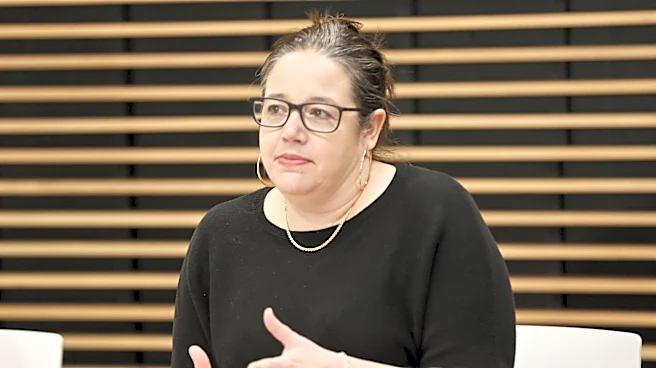
Dr. Lindsay Whorton, President of the Holdsworth Center, is challenging the traditional model of school leadership, arguing that the expectation for principals to be 'superheroes' is unsustainable. In her new book, 'A New School Leadership Architecture,'
Whorton proposes a four-level framework that distributes leadership responsibilities, elevates teachers as leaders, and creates sustainable structures. She contends that the current demands on principals, including being the primary instructional leader, coach, and building manager for 25-30 teachers, are unrealistic, especially with a growing number of less-experienced educators entering the profession. Whorton suggests that principals should delegate coaching and support to 'team leaders' (player-coaches) and 'bridge leaders' in larger schools, allowing principals to focus on vision-setting, strategic planning, and community engagement.
Why It's Important?
This proposed redesign of school leadership is crucial for addressing the escalating challenges within the U.S. education system, including teacher retention, student outcomes, and the overall well-being of school leaders. The 'superhero principal' model contributes to burnout and high turnover rates among school administrators, which negatively impacts school stability and effectiveness. By distributing leadership, the framework aims to build capacity at all levels, empowering teachers and fostering a more collaborative environment. This shift could lead to improved instructional quality, better support for new teachers, and more responsive schools that are deeply connected to their communities. Ultimately, a more sustainable leadership structure could enhance student learning outcomes and create a more resilient education system capable of adapting to demographic shifts, technological advancements, and evolving societal needs.
What's Next?
Dr. Whorton's framework encourages school districts to re-evaluate their current staffing and organizational designs. Districts are urged to identify the 'jobs' that need to be done and assign them to appropriate roles, rather than relying on traditional job titles. The Holdsworth Center, which has worked with 89 districts in Texas, provides a model for implementation, as seen with Lockhart ISD's success in creating 'lever leader' positions. The next steps involve more districts adopting and tailoring this flexible framework to their specific community needs, potentially leading to a broader systemic change in how school leadership is structured and supported across the nation. The ongoing conversation will focus on how to protect principals' time for strategic work and community engagement, while empowering other educators to take on leadership roles.
Beyond the Headlines
The 'superhero principal' problem extends beyond mere workload; it reflects a deeper cultural expectation within education that often undervalues distributed leadership and collective responsibility. Dr. Whorton's work highlights the need to move from a compliance-based system, where decisions are top-down, to an 'agentic' approach that empowers those closest to students. This involves not only restructuring roles but also cultivating a culture where educators feel equipped and supported to make adaptive decisions. The framework implicitly addresses the professional identity of principals, encouraging them to redefine their sense of purpose from being the sole problem-solver to being a visionary leader who builds the capacity of others. This shift has ethical implications, promoting a more equitable distribution of power and expertise, and fostering a more resilient and innovative educational ecosystem.