






What's Happening?
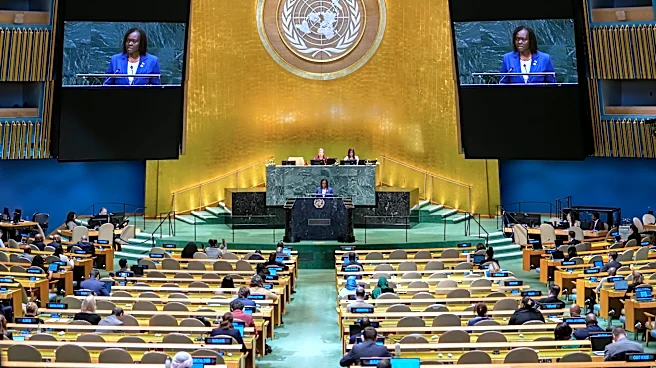
Countries of the Non-Aligned Movement (NAM) have reiterated their stance that the complete elimination of nuclear weapons is the only absolute guarantee against their threat or use. During a meeting marking the International Day for the Total Elimination
of Nuclear Weapons, established by UN General Assembly Resolution 68/32 in 2013, NAM members called on nuclear-weapon states to fulfill their obligations under Article VI of the Non-Proliferation Treaty (NPT). They emphasized the need for enhanced transparency and the responsible implementation of nuclear disarmament measures according to a concrete roadmap. The Vietnamese ambassador, Do Hung Viet, expressed concern over declining commitments to nuclear disarmament, the expansion of nuclear arsenals, and increasing reliance on nuclear deterrence in security strategies. UN Secretary-General António Guterres also warned about the growing nuclear threat, citing expanding and modernizing arsenals and the increased risk of miscalculation due to technological advancements. He urged nuclear-weapon states to resume dialogue and reduce the role of nuclear weapons in their security policies.
Why It's Important?
The call from the Non-Aligned Movement highlights a critical global security concern, particularly for nations that do not possess nuclear weapons but are vulnerable to their proliferation and potential use. The emphasis on dialogue and transparency is crucial for de-escalating tensions and building trust among nuclear-armed states, which directly impacts international stability. The failure of the 11th NPT Review Conference to reach a consensus on a substantive document, as noted by UN Secretary-General Guterres, underscores the challenges in achieving nuclear disarmament. For the U.S., as a nuclear-weapon state, these calls represent ongoing pressure to engage in arms control and disarmament efforts. The expansion of nuclear arsenals and reliance on nuclear deterrence by various nations could lead to a new arms race, increasing global instability and the risk of nuclear conflict, which would have catastrophic consequences for all countries, including the U.S. The NAM's advocacy for nuclear disarmament aims to safeguard national independence, sovereignty, and territorial integrity for its member states, many of which are developing nations.
What's Next?
The Non-Aligned Movement will likely continue to advocate for nuclear disarmament and non-proliferation within international forums, including the United Nations. Member states will push for nuclear-weapon states to sign and ratify the Protocol to the Treaty on the Southeast Asia Nuclear Weapon-Free Zone (SEANWFZ) and other similar regional agreements. The focus will remain on encouraging dialogue among nuclear-weapon states to reduce nuclear risks and to advance the entry into force of treaties like the Comprehensive Nuclear-Test-Ban Treaty (CTBT) and the Treaty on the Prohibition of Nuclear Weapons (TPNW). Future discussions will aim to establish concrete, verifiable, and irreversible measures towards the total elimination of nuclear weapons. The international community, including the U.S., will face ongoing pressure to demonstrate tangible progress on disarmament commitments, potentially influencing foreign policy decisions and defense strategies related to nuclear capabilities.
Beyond the Headlines
The persistent calls for nuclear disarmament by the Non-Aligned Movement reflect a deeper global anxiety about the long-term implications of nuclear weapons, extending beyond immediate security concerns. The ethical dimension of nuclear deterrence, which relies on the threat of mass destruction, remains a significant point of contention. The increasing sophistication of technology and the potential for artificial intelligence to influence decision-making in nuclear command and control systems introduce new risks of accidental or unauthorized launches, raising profound ethical and legal questions about accountability and control. The NAM's efforts also highlight the power dynamics in international relations, where non-nuclear states seek to influence the policies of nuclear powers. This ongoing advocacy underscores the moral imperative to prevent nuclear catastrophe and promotes a vision of a world free from nuclear weapons, challenging the traditional security paradigms that have dominated since the Cold War.