




What's Happening?
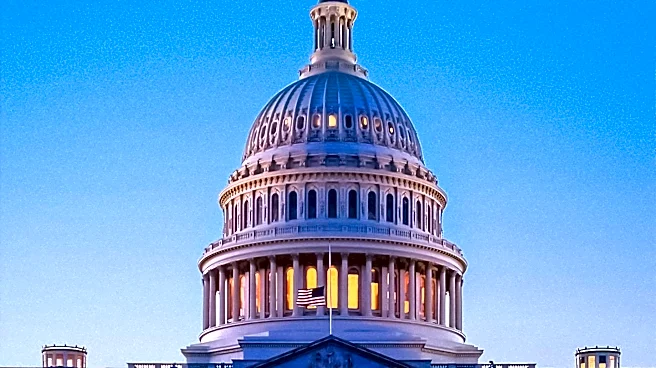
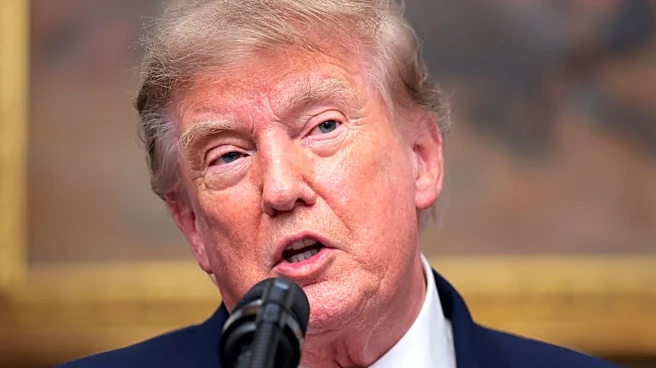
James Braid, the White House director of legislative affairs, is set to depart in September, creating a significant vacancy in President Trump's Capitol Hill operation. His departure comes ahead of the midterm elections and a potentially active lame-duck
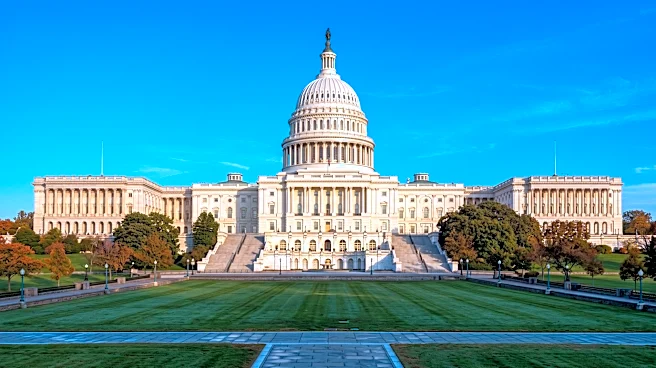
session of Congress. The Senate has already approved a December 11 continuing resolution, and Speaker Mike Johnson (R-LA) plans to pass the stopgap measure as soon as the House returns. The role of the director of the Office of Legislative Affairs is crucial as they serve as the primary liaison between the president and lawmakers, representing the president's interests on Capitol Hill. President Trump faces an important decision in selecting Braid's successor, especially given the potential for a shift in congressional control after the midterms.
Why It's Important?
The departure of a key White House official responsible for legislative affairs is critical, particularly at a time when the administration faces significant legislative challenges and potential shifts in congressional power. The next director will need to navigate a complex political landscape, potentially working with a divided Congress if Democrats gain control of the House or Senate. This role is essential for advancing the president's agenda and for managing relationships with both Republican and Democratic lawmakers. A successful director will need to be a bridge-builder to ensure legislative progress and to mitigate potential investigations from a potentially hostile Congress. The choice of successor will signal President Trump's strategy for his remaining two years in office, whether he prioritizes partisan legislative victories or seeks to rebuild relationships with moderate Republicans and Democrats.
What's Next?
An interim director for the Office of Legislative Affairs is expected to be appointed until the end of the year, after which President Trump will make a permanent decision. Several candidates are being considered for the role, including internal White House staff like Walker Barrett, Jeff Freeland, and Katie Bailey, who have experience on Capitol Hill and within the administration. External candidates with strong relationships in Congress, such as Josh Grant, Amy Swonger, and Ben Howard, are also being discussed. The selection of the next director will be closely watched as it will indicate President Trump's approach to legislative engagement and his ability to work with Congress, especially if the political composition of the House or Senate changes after the midterm elections. The new director will immediately face the challenge of a potentially active lame-duck session and the ongoing budget discussions.
Beyond the Headlines
The selection of the next director of legislative affairs goes beyond mere personnel changes; it reflects the strategic direction of the Trump administration in its engagement with Congress. In an increasingly polarized political environment, the ability to effectively communicate and negotiate with lawmakers is paramount. The emphasis on candidates with experience in building relationships across the aisle suggests an acknowledgment of the need for bipartisan cooperation, especially if the political landscape shifts. This appointment could also influence the administration's approach to potential Democratic investigations, requiring a director who can manage both legislative priorities and oversight challenges. The role's importance underscores the delicate balance between presidential power and congressional authority, and the individual chosen will play a crucial role in shaping the legislative legacy of the Trump presidency.