



What's Happening?
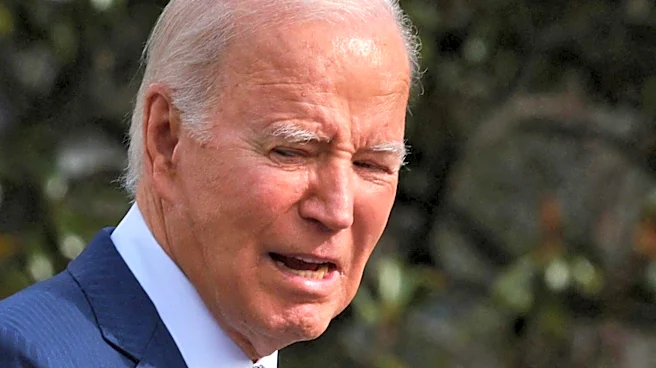
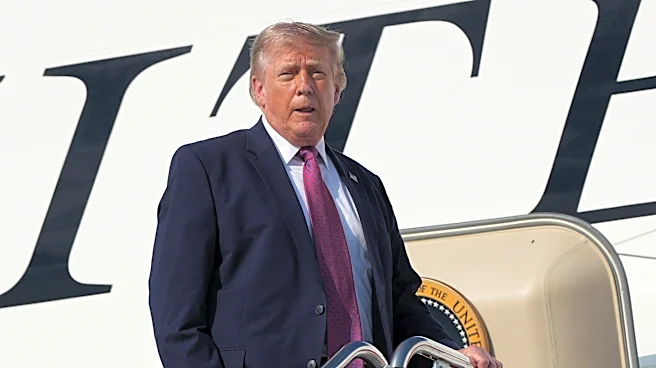
President Donald Trump announced on July 3, 2026, that he has pardoned six individuals who were convicted of violating the Clean Air Act. In a statement on Truth Social, President Trump claimed these individuals were wrongfully persecuted by the Biden
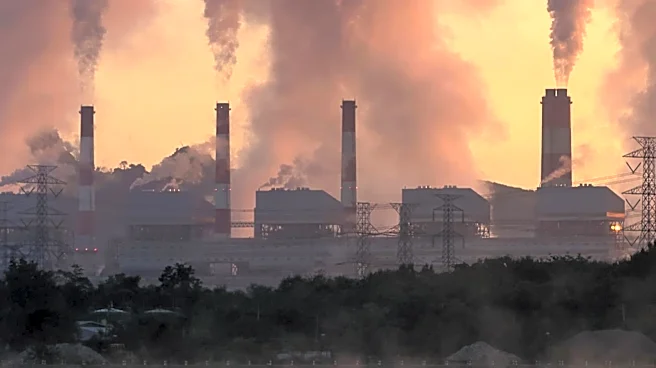
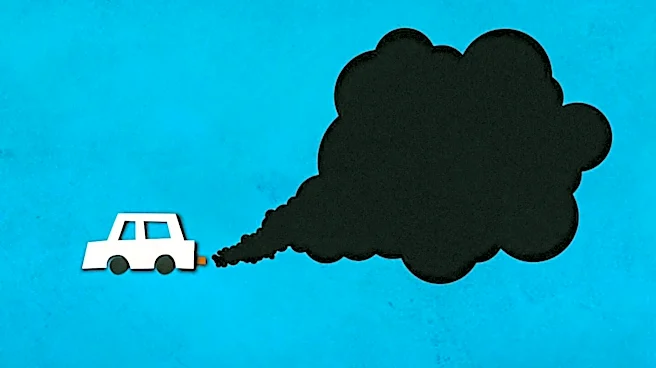
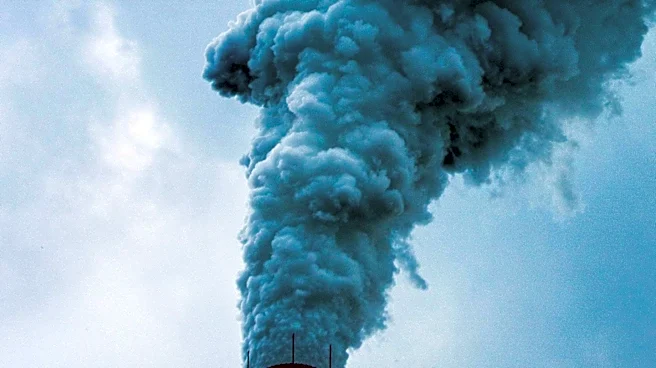
administration for offenses related to tampering with onboard diagnostic devices in motor vehicles. The Clean Air Act is a federal law that regulates air emissions from various sources to control air pollution. The pardons come after the Justice Department decided earlier this year to stop pursuing criminal charges under the Act for similar allegations.
Why It's Important?
The pardons highlight ongoing political tensions regarding environmental regulations and enforcement. By pardoning these individuals, President Trump is signaling a continuation of his administration's deregulatory stance, which prioritizes economic interests over stringent environmental enforcement. This move may be seen as a relief to industries and individuals affected by strict environmental regulations, but it also raises concerns about the potential weakening of air quality standards and public health protections. The decision underscores the broader debate over the role of federal regulations in balancing economic growth with environmental sustainability.
What's Next?
The pardons may prompt reactions from various stakeholders, including environmental advocacy groups, policymakers, and industry representatives. Environmental groups may increase their efforts to challenge deregulatory actions and advocate for stronger enforcement of environmental laws. Meanwhile, industries affected by the Clean Air Act may view the pardons as a positive development, potentially leading to calls for further regulatory rollbacks. The political implications of these pardons could influence future legislative and regulatory actions related to environmental policy.