



What's Happening?
In Michigan, a bipartisan effort is underway to regulate the use of automatic license plate readers (ALPRs) through a new legislative package. State Representatives Jimmie Wilson Jr. and Doug Wozniak have introduced two bills aimed at setting clear guidelines
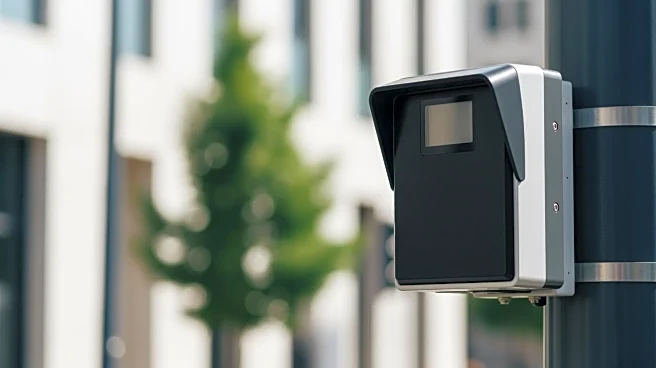
on how data from these devices is collected, stored, and shared. ALPRs are surveillance cameras that capture images of vehicle license plates, and they are widely used by law enforcement agencies across the state. The proposed legislation seeks to ensure these tools are used to enhance public safety without enabling mass surveillance. The bills would limit the retention of captured data to 14 days unless it is needed for ongoing investigations or under specific legal requests. Additionally, the legislation mandates that government entities using ALPRs must adopt and publicly post their usage policies and submit quarterly reports on their practices.
Why It's Important?
The introduction of these bills is significant as it addresses growing privacy concerns associated with the use of ALPRs. While these devices have been credited with aiding in solving crimes and recovering stolen property, there is apprehension about their potential misuse for mass surveillance. The American Civil Liberties Union and other privacy advocates have raised alarms about the lack of regulation, which could lead to violations of individuals' Fourth Amendment rights. By setting clear rules, the legislation aims to balance the benefits of ALPRs in law enforcement with the protection of citizens' privacy. This move could also influence other states to adopt similar measures, thereby shaping national standards for the use of surveillance technology.
What's Next?
The bills have been referred to the House Judiciary Committee, but a hearing date has not yet been set. If passed, the legislation would require both government and private entities to comply with the new regulations, potentially leading to changes in how ALPR data is managed and used. The outcome of this legislative effort could prompt further discussions on privacy and surveillance at both state and national levels. Stakeholders, including law enforcement agencies, privacy advocates, and the public, are likely to engage in debates over the balance between security and privacy as the bills progress through the legislative process.