





What's Happening?
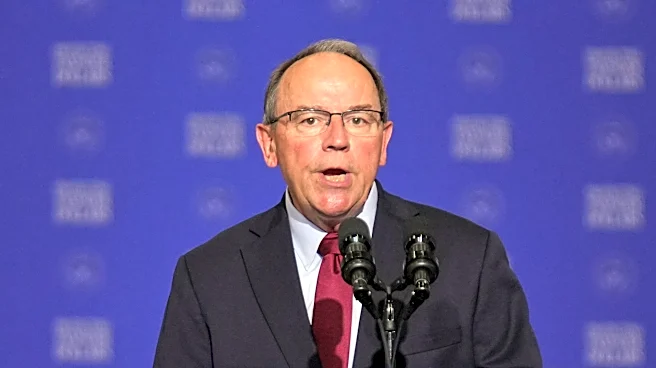
Milwaukee County Executive David Crowley, a Democratic candidate for Wisconsin governor, has unveiled a package of proposals aimed at combating corruption, including limits on stock trading by public officials and new rules to enhance public access to lawmakers'
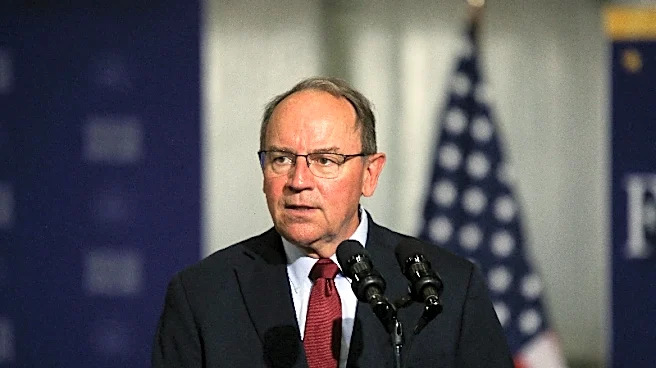
records. This initiative comes amidst heightened scrutiny over individual stock trading by Wisconsin politicians, particularly after reports indicated that freshman U.S. Rep. Tony Wied, a Republican, conducted over $1.3 million in individual stock trades in February alone. Crowley's plan seeks to create a 'firewall' between elected officials and the stock market, emphasizing that public office should serve the people, not personal enrichment. Additionally, his proposal addresses a loophole in Wisconsin law that allows state legislators to delete emails and internal records before formal open-records requests are filed, a privilege not extended to local officials or executive branch staff. Governor Tony Evers previously attempted to close this loophole in his 2025 state budget proposal, but the Republican-controlled Joint Finance Committee removed the measure.
Why It's Important?
Crowley's proposals are significant as they address long-standing concerns about transparency and potential conflicts of interest within Wisconsin's political landscape. The push for a stock trading ban for politicians aligns with a growing national movement, exemplified by the U.S. House's passage of H.R. 7008, the Stop Insider Trading Act, which aims to prohibit members of Congress and their immediate family from purchasing individual stocks. If enacted, these state-level reforms could enhance public trust in government by reducing the perception of undue financial gain by elected officials. The proposed changes to public records law are also crucial for government accountability, as they would ensure greater transparency in legislative processes. The current loophole allows for the potential concealment of information, hindering public oversight and journalistic scrutiny. This initiative could set a precedent for other states grappling with similar ethics issues, potentially influencing broader discussions on political ethics and transparency across the U.S.
What's Next?
The immediate next step for Crowley's proposals will be their introduction and consideration within the Wisconsin Legislature. Given that Governor Evers' previous attempt to close the public records loophole was rejected by the Republican-controlled Joint Finance Committee, Crowley's plan may face similar political hurdles. The success of these proposals will largely depend on bipartisan support, which could be challenging to secure. As Crowley is a Democratic candidate for governor, his proposals will also likely become a key talking point in the upcoming general election against Republican U.S. Rep. Tom Tiffany. The public's reaction to these ethics reforms, especially in light of recent reports on congressional stock trading, could influence the political will to advance such legislation. Furthermore, the ongoing federal efforts to ban congressional stock trading could create momentum or pressure for state-level action, potentially impacting the debate in Madison.
Beyond the Headlines
Beyond the immediate legislative and electoral implications, Crowley's ethics proposals touch upon fundamental questions of public service and democratic integrity. The debate over stock trading by politicians highlights the tension between individual financial freedom and the potential for insider trading or conflicts of interest that can erode public trust. The existing ethics code in Wisconsin already bars officials from using their position for private financial gain, but the proposed 'firewall' suggests a need for more stringent preventative measures. The public records loophole also raises deeper questions about the balance between legislative autonomy and governmental transparency. Closing this loophole would not only enhance accountability but also reinforce the principle that public officials' actions should be subject to public scrutiny. This broader discussion about ethical governance and transparency is crucial for maintaining a healthy democracy and ensuring that elected officials prioritize public interest over personal gain.