


What's Happening?
U.S. Representative Grace Meng has reintroduced legislation aimed at designating Diwali as a federal holiday in the United States. This move comes in response to a significant increase in anti-Hindu and anti-South Asian hate incidents across the nation.
The legislation, known as the Diwali Day Act, was reintroduced by Meng, who chairs the Congressional Asian Pacific American Caucus, shortly after the main celebration of the 2026 Diwali festival. The bill currently has 19 co-sponsors in Congress and, if passed, would make Diwali the 12th federally recognized holiday. Meng emphasized that establishing Diwali as a federal holiday would provide a day off for Hindu, Sikh, Jain, and Buddhist communities to celebrate and would signal that the government values their cultures and traditions, particularly during a period of rising hate and intimidation.
Why It's Important?
The reintroduction of the Diwali Day Act holds significant cultural and social importance for the United States. By potentially recognizing Diwali as a federal holiday, the U.S. government would acknowledge the growing diversity of its population and the cultural contributions of Hindu, Sikh, Jain, and Buddhist communities. This recognition could foster greater inclusivity and understanding among different religious and ethnic groups. Furthermore, the legislation directly addresses the alarming rise in anti-Hindu and anti-South Asian hate, which includes acts of vandalism at places of worship and attempted violence. Making Diwali a federal holiday would send a powerful message of solidarity and support to these communities, potentially mitigating feelings of marginalization and fear. It also highlights the ongoing efforts to combat religious intolerance and promote a more accepting national identity.
What's Next?
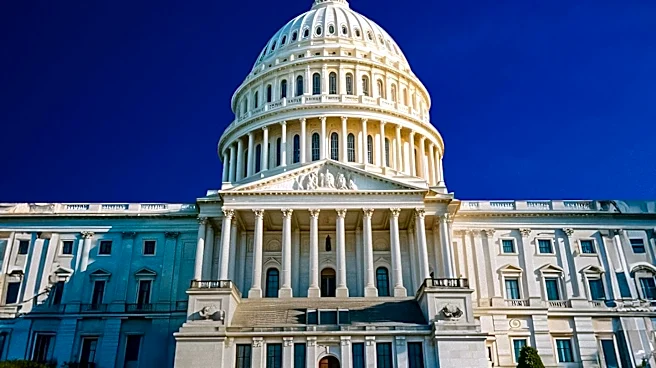
The Diwali Day Act, with its 19 co-sponsors, will now proceed through the legislative process in the House of Representatives. It was previously referred to the House Committee on Oversight and Accountability in 2023 but did not advance. Its reintroduction indicates continued advocacy for its passage. The legislation's success will depend on gaining further support within Congress and navigating committee reviews. If it passes the House, it would then move to the Senate for consideration. The bill's proponents, including various advocacy groups such as Asian Americans Advancing Justice and the Coalition of Hindus of North America, will likely continue to lobby for its approval. The outcome will determine whether Diwali becomes a federally recognized holiday, impacting how millions of Americans observe this important cultural and religious event.
Beyond the Headlines
Beyond the immediate legislative goal, the push for a Diwali federal holiday reflects broader societal discussions about national identity and the inclusion of diverse cultural and religious practices in the public sphere. The emphasis on combating anti-Hindu and anti-South Asian hate underscores the ongoing challenges of religious and ethnic discrimination in the U.S. The legislation could set a precedent for recognizing other significant cultural or religious holidays from minority communities, potentially leading to a more inclusive calendar of national observances. This initiative also highlights the increasing political engagement and influence of Asian American communities, particularly through groups like the Congressional Asian Pacific American Caucus, in shaping national policy and cultural recognition.