







What's Happening?
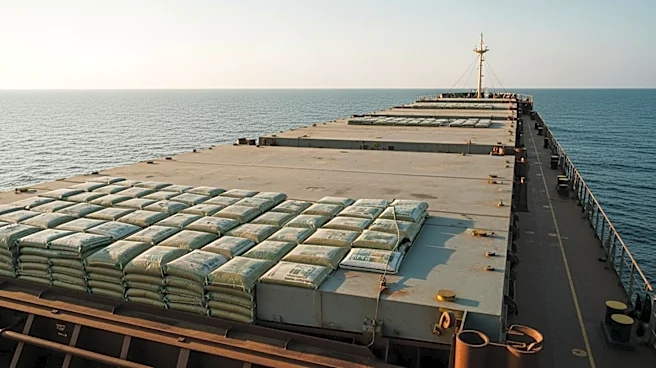
Global fertilizer shipments have been significantly impacted by the Iran war, with an 11% year-on-year decline due to the closure of the Strait of Hormuz. This disruption has tightened global supply and increased prices for fertilizers like phosphates
and urea. However, a ceasefire agreement between the U.S. and Iran is expected to lead to a rebound in shipments. The agreement includes the end of the U.S. naval blockade and arrangements for safe passage of commercial ships, potentially restoring fertilizer exports from the Persian Gulf.
Why It's Important?
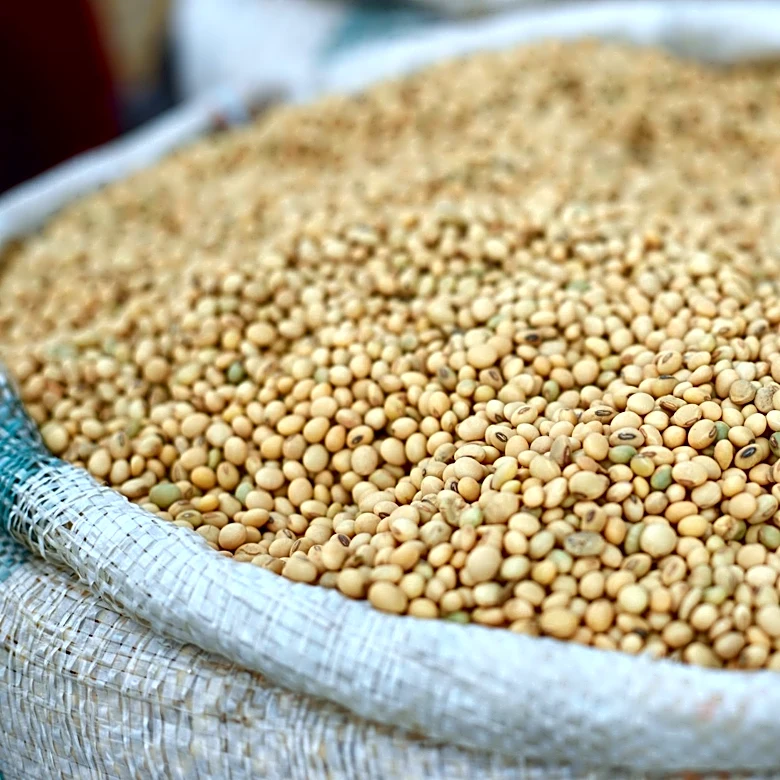
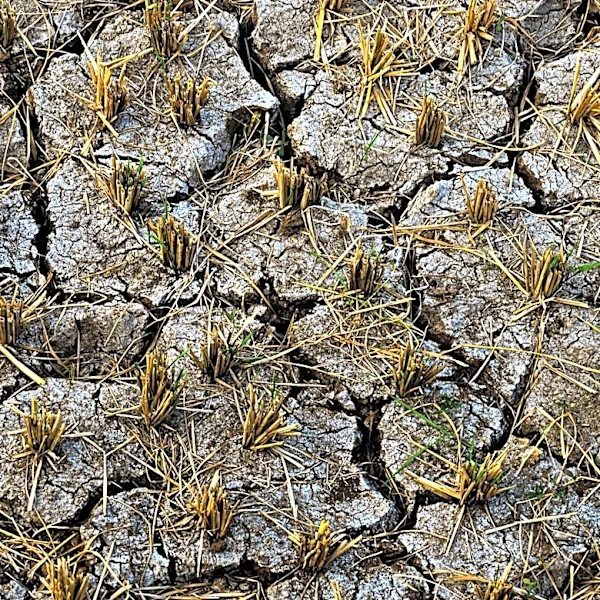
The resumption of fertilizer shipments is crucial for global agriculture, as fertilizers are essential for crop production. The disruption has affected supply chains and increased costs for farmers worldwide. The ceasefire agreement offers a chance to stabilize the market and reduce prices, benefiting agricultural sectors globally. Additionally, the recovery of fertilizer exports could support economic growth in the Persian Gulf region, which has been affected by the conflict. The agreement also represents a diplomatic breakthrough, potentially easing tensions and fostering further negotiations between the U.S. and Iran.
What's Next?
As the ceasefire takes effect, the focus will be on ensuring the safe and efficient resumption of fertilizer shipments. The recovery process may involve logistical challenges, including the repair of damaged infrastructure and coordination among shipping companies. The international community will likely monitor the situation closely, as the success of the ceasefire could influence future diplomatic efforts in the region. Additionally, the agricultural industry will be watching for changes in fertilizer prices and availability, which could impact planting decisions and crop yields.