


What's Happening?
Optimal nutrition, particularly anti-inflammatory dietary patterns, is foundational for recovery from mild traumatic brain injury (mTBI). Following an mTBI, the brain undergoes a metabolic crisis characterized by neuroinflammation, oxidative stress, and
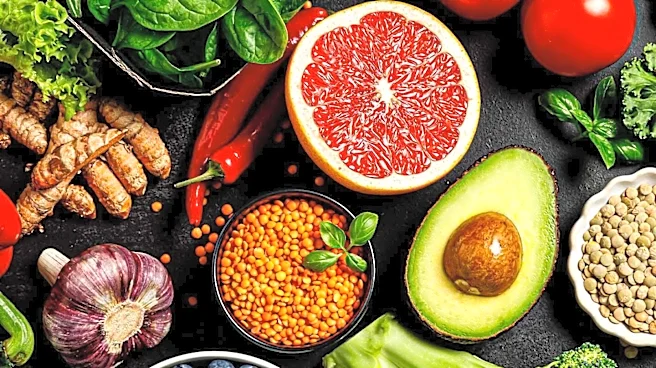
increased energy demand. Dietary patterns like the Mediterranean diet and the neurologically targeted MIND diet are consistently associated with reduced systemic inflammation, improved cognitive aging outcomes, and better neurological function. The MIND diet specifically emphasizes brain-protective foods such as leafy green vegetables and berries while limiting red meat, butter, cheese, pastries, and fried foods that promote neuroinflammation. Key nutrients supporting mTBI recovery include Omega-3 fatty acids (DHA and EPA) for resolving neuroinflammation and protecting neurons, antioxidants and polyphenols (from blueberries, dark chocolate, green tea, turmeric) to neutralize reactive oxygen species, and adequate protein and amino acids for neurotransmitter synthesis and muscle mass preservation. B vitamins, Vitamin D, magnesium, and creatine also play critical roles in neurochemical processes, myelin maintenance, energy production, and brain resilience.
Why It's Important?
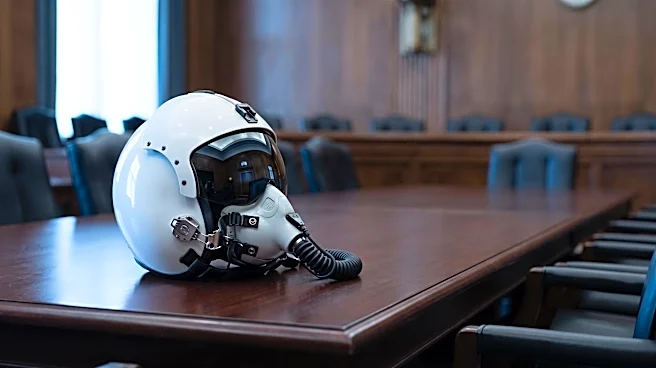
This information is vital for improving concussion management protocols in the U.S., particularly for athletes, military personnel, and first responders who face high risks of mTBI. Nutrition is often overlooked in standard concussion care, creating a significant gap that evidence-based dietary interventions can fill. By targeting neuroinflammation, oxidative stress, and metabolic demands, tailored nutrition protocols can accelerate recovery and potentially mitigate long-term neurological conditions linked to repeated mTBI exposure. The emphasis on specific nutrients and dietary patterns provides practical guidance for sports dietitians and healthcare providers to optimize outcomes, reduce persistent impairments in memory, attention, and executive function, and enhance the brain's resilience to future injuries. This proactive approach can significantly impact the quality of life for individuals recovering from mTBI and contribute to long-term brain health.
What's Next?
The integration of nutrition into multidisciplinary rehabilitation models for mTBI is a critical next step. This involves collaboration among neurologists, rehabilitation specialists, neuropsychologists, mental health professionals, and performance dietitians. Developing personalized nutrition plans that consider individual factors such as injury severity, baseline nutritional status, dietary preferences, and cognitive capacity will be essential. Further research is needed to establish universal concussion nutrition protocols and to validate higher doses of supplements like creatine during the acute post-mTBI period. Additionally, continued education for healthcare providers and the public on the importance of anti-inflammatory diets and specific nutrients for brain health will be crucial to bridge the current gap in care and ensure optimal recovery for mTBI patients.
Beyond the Headlines
The focus on nutrition for mTBI recovery extends beyond immediate healing to long-term cognitive resilience and neurological aging. The dietary principles established during recovery, such as consistent intake of Omega-3 fatty acids, antioxidant-rich foods, and gut-supportive fiber, offer ongoing neuroprotection and support synaptic plasticity throughout the lifespan. This highlights a shift towards a more holistic understanding of brain health, where diet is recognized as a powerful tool not just for treating injury but also for preventing cognitive decline. The article also subtly addresses the ethical considerations surrounding the nootropic supplement market, urging skepticism towards unsubstantiated claims and emphasizing third-party testing and professional consultation. This encourages a more discerning approach to health products, prioritizing a nutrient-dense whole-food diet as the foundation for long-term cognitive well-being.