









What's Happening?
The Centers for Disease Control and Prevention (CDC) has updated its report on a Salmonella Telelkebir outbreak linked to raw oysters harvested from the Wicomico River in Virginia. The outbreak has now affected 28 individuals across 13 states, with five
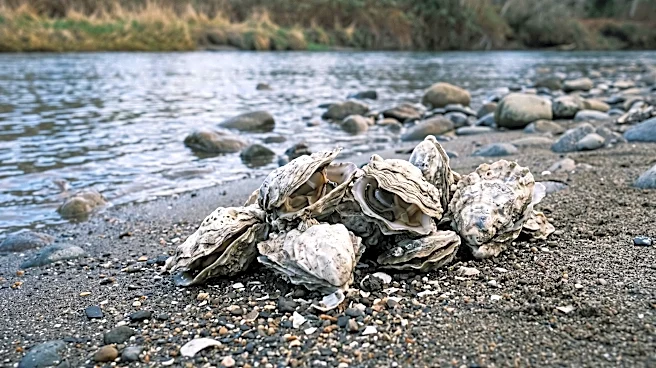
hospitalizations. The states reporting cases include Connecticut, Florida, Iowa, Illinois, Kentucky, Michigan, New Jersey, Colorado, Indiana, Maryland, Virginia, New York, and Pennsylvania. Illness onset dates range from May 29, 2026, to October 6, 2026, with patient ages spanning from 1 to 86 years. Investigations by public health officials revealed that 79% of interviewed patients consumed raw oysters prior to becoming ill, a significantly higher percentage than the general population. The Virginia Department of Health collected oyster samples from the Wicomico River, which tested positive for Salmonella, including the Telelkebir strain responsible for the outbreak. Other Salmonella strains, such as Newport and Hartford, were also identified. The oysters were harvested by the Little Wicomico Oyster Company, and while the recalled oysters are past their shelf life, harvesting from that area is currently suspended.
Why It's Important?
This Salmonella outbreak highlights significant public health concerns related to food safety, particularly concerning raw seafood consumption. The widespread nature of the outbreak, affecting 13 states, underscores the interconnectedness of the food supply chain and the potential for contaminated products to reach a broad consumer base. The hospitalization of five individuals indicates the severity of the illness caused by this particular strain of Salmonella, posing a serious risk to vulnerable populations. For the seafood industry, such outbreaks can lead to substantial economic repercussions, including product recalls, decreased consumer confidence, and potential long-term damage to the reputation of specific suppliers or regions. Regulatory bodies like the FDA and state health departments face increased pressure to enhance monitoring and enforcement of food safety standards to prevent future occurrences and protect public health. Consumers are also reminded of the inherent risks associated with consuming raw or undercooked seafood.
What's Next?
Public health officials will continue to monitor for new cases and conduct further investigations to ensure the outbreak is contained. The FDA has indicated that the contaminated oysters were sold in restaurants and retail stores across numerous states, suggesting a need for continued vigilance from consumers and food establishments. Consumers who may have purchased or frozen raw oysters from the Little Wicomico Oyster Company are advised not to consume them, as freezing does not eliminate Salmonella. Medical professionals are urged to consider Salmonella infection in patients presenting with gastrointestinal symptoms, especially if they report recent consumption of raw oysters. The seafood industry, particularly oyster harvesters and distributors, may face increased scrutiny and potentially stricter regulations regarding harvesting practices, water quality testing, and distribution protocols to prevent future contamination events. Ongoing whole genome sequencing will help track the pathogen and identify any new related cases.
Beyond the Headlines
This outbreak extends beyond immediate health concerns, touching upon broader issues of environmental health and regulatory oversight. The presence of Salmonella in oysters from the Wicomico River raises questions about the water quality in harvesting areas and the potential impact of environmental factors on seafood safety. It underscores the complex interplay between agricultural runoff, wastewater management, and marine ecosystems, all of which can influence the safety of seafood. Furthermore, the incident highlights the challenges in tracing contaminated food products across state lines and through various distribution channels, emphasizing the need for robust and transparent supply chain management. The public's perception of raw seafood safety could be significantly impacted, potentially leading to long-term shifts in consumer behavior and demand for more stringent safety certifications. This event serves as a critical reminder of the continuous need for comprehensive public health surveillance and proactive measures to safeguard the food supply.