





What's Happening?
The U.S. flu season has commenced earlier than usual and is rapidly intensifying, according to the latest update from the Centers for Disease Control and Prevention (CDC). Seven states reported high flu activity last week, an increase from two states the previous
week. Over 3% of doctor's office visits were for flu-like illnesses, indicating the season is well underway. The surge originated in the South and West, with California, Louisiana, Oregon, South Carolina, Tennessee, Texas, and Washington currently experiencing high activity. Louisiana is particularly affected, partly due to lower vaccination rates and healthcare access challenges. The CDC estimates at least 2.6 million illnesses, 36,000 hospitalizations, and 2,100 deaths have occurred so far this season. The flu hospitalization rate in mid-October was the highest for that period in over 15 years.
Why It's Important?
The early and aggressive start to the flu season signals a potentially challenging period for public health and healthcare systems across the U.S. The high hospitalization rates observed so early in the season could strain medical resources, especially as the virus is expected to spread further into the Midwest and East Coast. This situation underscores the critical importance of vaccination to mitigate severe illness and reduce the burden on hospitals. The disproportionate impact in states like Louisiana highlights existing healthcare disparities, where factors such as low vaccination rates and limited access to care can exacerbate public health crises. The impending holiday season, with increased travel and gatherings, is expected to accelerate the spread of influenza and other respiratory viruses, making preventive measures more crucial than ever.
What's Next?
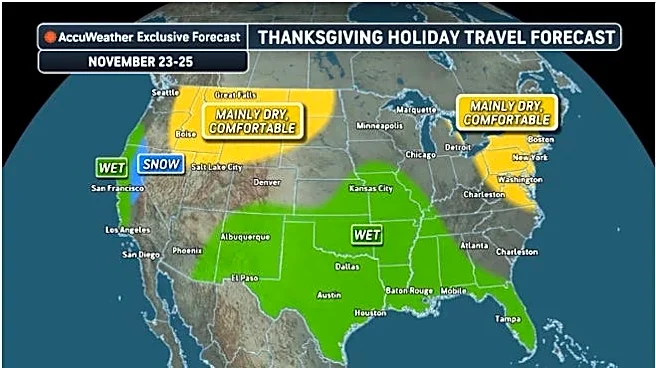
Health officials anticipate an accelerated spread of flu and other respiratory viruses as the holiday season approaches, with increased travel and social gatherings. Experts like Dr. Fred Lopez, an infectious diseases specialist at LSU Health Sciences Center, urge unvaccinated individuals to get their flu shots immediately. Dr. Nicole Iovine, a University of Florida-affiliated infectious disease specialist, emphasizes the importance of vaccination before gathering with family and friends. While the current vaccine is believed to recognize and work against the circulating H1N1 flu bug with mutations, its exact effectiveness will not be known for several months. Individuals who are currently experiencing significant symptoms should delay vaccination, but those who have already had an infection this fall are still advised to get vaccinated as the vaccine protects against multiple flu strains.
Beyond the Headlines
The early onset and rapid intensification of this flu season could have broader societal and economic implications beyond immediate health concerns. Increased illness and hospitalizations can lead to workforce absenteeism, impacting productivity and economic activity. For families, the burden of illness can disrupt daily life, leading to missed school days for children and lost wages for caregivers. The situation also highlights the ongoing need for robust public health campaigns to encourage vaccination and adherence to preventive measures like hand hygiene and staying home when sick. Furthermore, the early surge serves as a reminder of the unpredictable nature of seasonal viruses and the continuous need for vigilance and preparedness within the U.S. healthcare infrastructure to manage potential surges in patient demand.