





What's Happening?
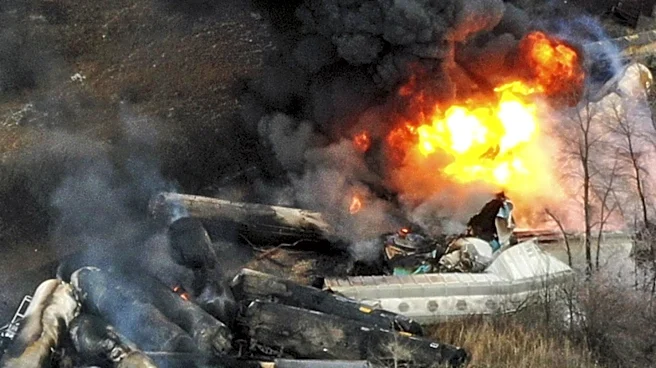
The former Greenwood Chemical Company site, now a Superfund site in Newtown, Virginia, is slated for auction more than 40 years after a chemical explosion in April 1985 killed four men and led to the plant's closure. The incident, caused by an electrical
spark igniting liquid toluene, resulted in the deaths of John Harper, Maurrie Clark, Keith Wood, and Charles Ward. This was not an isolated event, as the plant had a history of accidents, including a foreman's death in a 1966 fire and two more fatalities in the 1970s. Following the 1985 explosion, the EPA initiated a cleanup, removing chemical drums, draining lagoons, and excavating 15,000 tons of toxic soil. A groundwater treatment system, established in 2001 and now managed by the Virginia Department of Environmental Quality, continues to operate. The 33-acre property, assessed at $100 and with unpaid taxes, is being auctioned by Albemarle County to bring it back onto the tax rolls and into productive use, despite ongoing environmental restrictions.
Why It's Important?
The auction of the Greenwood Chemical Company Superfund site is significant as it represents an attempt to repurpose a heavily contaminated industrial area, highlighting the long-term challenges and costs associated with environmental remediation in the U.S. The site's history of fatal accidents and extensive pollution underscores the critical need for stringent industrial safety regulations and environmental oversight to protect both workers and surrounding communities. The ongoing groundwater treatment system, decades after the plant's closure, illustrates the persistent environmental legacy of industrial contamination and the substantial public resources required for cleanup. For U.S. communities near similar Superfund sites, this case exemplifies the potential for prolonged health impacts, as residents like Antoine Sims, who grew up near the plant, attribute their health issues to the contamination. The county's effort to sell the land, despite restrictions on its use, reflects a broader trend of seeking economic revitalization for brownfield sites, balancing development potential with environmental safeguards and public health concerns.
What's Next?
The immediate next step is the auction of the Greenwood Chemical Company Superfund site. Albemarle County is seeking to transfer ownership to an entity that will pay back taxes and legal fees, estimated between $8,000 and $9,000. The new owner will face significant restrictions: no potable water is available on site, preventing residential development, and any new structures must accommodate the existing wastewater treatment facility and incorporate special vapor barriers and below-slab piping to minimize soil disruption. The Virginia Department of Environmental Quality will continue to monitor nearby residents' well water annually. The community, including residents like Antoine Sims, advocates for government retention of the land due to persistent contamination concerns. The outcome of the auction will determine whether the site finds a new purpose, potentially for trails or other non-residential uses, or if it remains in a state of limbo, continuing to pose questions about the long-term management of industrial contamination.
Beyond the Headlines
The Greenwood Chemical Company Superfund site's story delves into profound ethical and social dimensions, particularly the long-term human cost of industrial negligence. The health issues experienced by former residents, such as Antoine Sims and his family, who developed sarcoidosis and other autoimmune conditions, raise critical questions about corporate accountability and the adequacy of public health protections in the face of environmental hazards. The delayed recognition of contamination's impact on local health, as evidenced by Sims's mother receiving EPA notices years after the initial incident, highlights systemic failures in communication and public trust. This case serves as a stark reminder of the intergenerational consequences of pollution, where environmental damage can manifest as chronic illnesses decades later. The struggle to repurpose the land, even after extensive cleanup, underscores the enduring stigma and practical limitations imposed by its toxic past, challenging societal perceptions of progress and the true cost of industrial development. It also prompts reflection on the responsibility of government entities to manage and mitigate such legacies indefinitely.