




What's Happening?
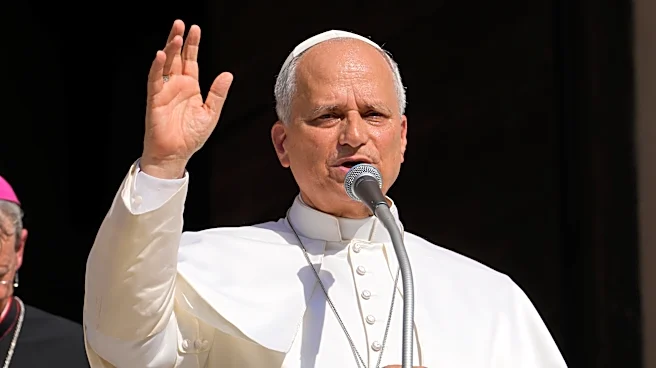
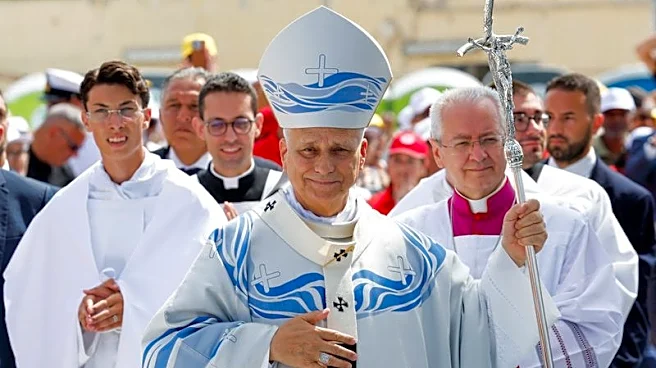
Pope Leo XIV, the first U.S.-born pope, has urged the United States to reaffirm its commitment to its founding principles of protecting life and human dignity. This call was made during a live video appearance at the National Constitution Center on the eve
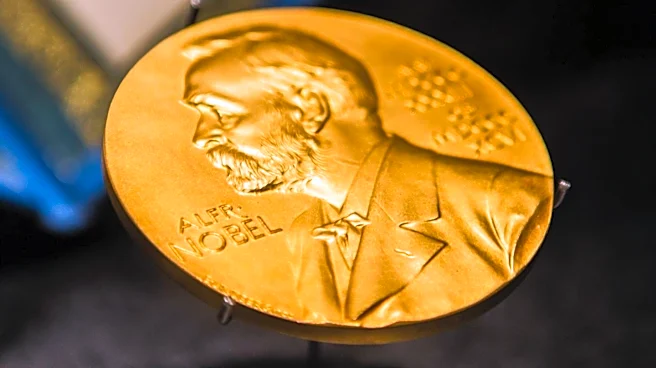
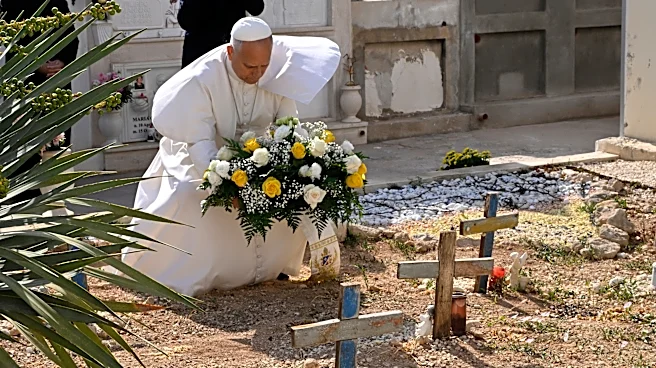
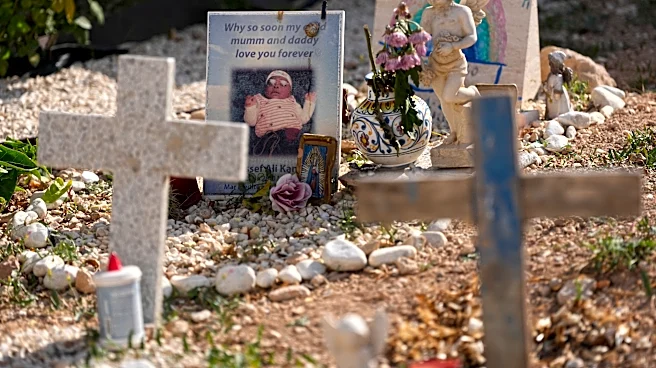
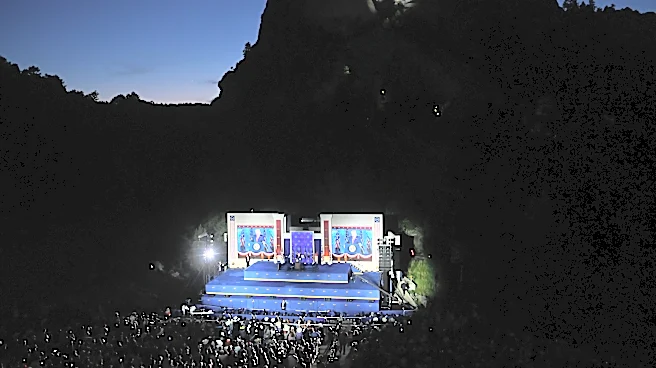
of the 250th anniversary of the Declaration of Independence. The Philadelphia-based center awarded Pope Leo the Liberty Medal for his lifelong advocacy of religious liberty and freedom of conscience, values enshrined in the First Amendment. During his address, Pope Leo highlighted America's tradition of welcoming migrants and promoting religious freedom. He emphasized the importance of treating migrants with dignity, a stance that has previously put him at odds with President Trump's administration. Pope Leo plans to spend July 4 on the Sicilian island of Lampedusa, a significant location due to its role as a destination for migrants fleeing conflict and poverty.
Why It's Important?
Pope Leo XIV's message underscores the ongoing debate in the U.S. regarding immigration and human rights. His call for a recommitment to foundational ideals comes at a time when the nation is grappling with issues of immigration policy and human dignity. The pope's emphasis on treating migrants with dignity challenges current U.S. policies and highlights the moral and ethical dimensions of immigration debates. This appeal could influence public opinion and policy discussions, particularly among religious and humanitarian groups advocating for more compassionate immigration policies. The Liberty Medal award further elevates the pope's message, aligning it with the values of liberty and freedom that are central to American identity.
What's Next?
Pope Leo's address may prompt discussions among U.S. policymakers and religious leaders about the nation's approach to immigration and human rights. As the U.S. celebrates its 250th anniversary, there may be increased calls for policy reforms that align with the country's founding ideals. The pope's visit to Lampedusa on July 4 could draw international attention to the plight of migrants and the need for global cooperation in addressing migration challenges. It remains to be seen how U.S. leaders will respond to the pope's message and whether it will lead to tangible changes in immigration policy.