







What's Happening?
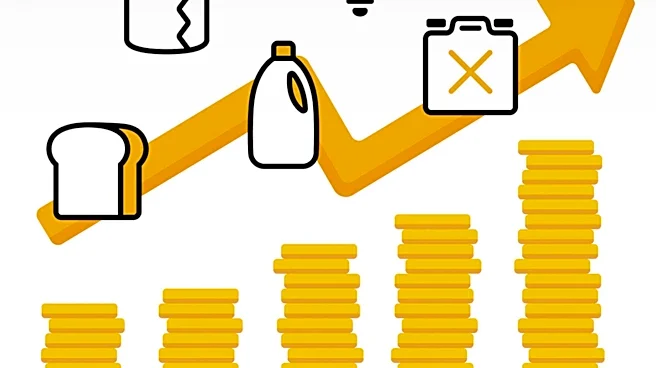
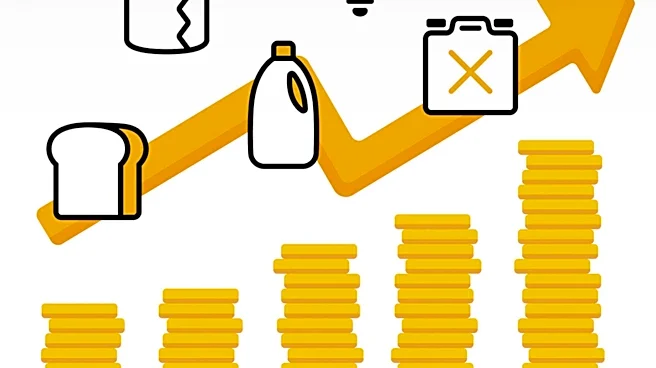
American households are experiencing a notable surge in electricity bills, with the average cost projected to reach approximately 18 cents per kilowatt-hour in 2026, marking a roughly 10 percent increase over two years. This follows a nearly 30 percent rise
in residential electricity prices between 2021 and 2025, a rate that has outpaced inflation. Several factors contribute to these escalating costs, including an aging and outdated grid infrastructure that requires significant upgrades and replacements, according to Brandon Young, CEO of Payless Power. Fluctuating fuel costs also play a role in the expense of generating electricity. Additionally, increased demand from large consumers like data centers and industrial facilities is straining the grid's capacity. Extreme weather conditions, such as freezing temperatures and high winds, further challenge the existing infrastructure, leading to higher operational costs. The holiday season often exacerbates these increases due to higher electricity consumption for heating and decorations.
Why It's Important?
The continuous rise in electricity bills has significant implications for U.S. households and the broader economy. For many families, these increases translate into higher living expenses, potentially straining household budgets already impacted by inflation. The disproportionate increase in electricity prices compared to inflation means that consumers are getting less value for their money, affecting their purchasing power. The strain on the outdated grid infrastructure highlights a critical national issue, suggesting potential vulnerabilities in energy supply and reliability. The growing demand from data centers, while indicative of technological advancement, also presents a challenge in terms of equitable cost distribution, raising questions about who should bear the burden of grid expansion. If not managed effectively, these rising costs could lead to increased energy poverty, where low-income households struggle to afford essential utilities, potentially leading to difficult choices between heating/cooling and other necessities.
What's Next?
As electricity costs continue to climb, consumers are seeking ways to mitigate the impact on their budgets. One immediate recommendation is the adoption of energy-efficient solutions, such as switching to LED lights, which can significantly reduce consumption, especially during periods of high usage like the holiday season. For instance, running 100-bulb C9 incandescent lights costs about $19.57 in December, while LED equivalents cost $2.80, according to Payless Power. Homeowners are also advised to manage their electricity usage more consciously, such as using timers for outdoor lighting and unplugging inflatables when not in use. Utility companies and policymakers may face increasing pressure to address the underlying issues of grid modernization and fluctuating fuel costs. Discussions around who should finance grid expansions, particularly those driven by industrial demand like data centers, are likely to intensify, potentially leading to new regulations or financial models to protect residential consumers.
Beyond the Headlines
The escalating electricity costs underscore a deeper challenge related to the nation's energy policy and infrastructure investment. The reliance on an outdated grid, coupled with the rapid growth of energy-intensive industries, reveals a need for comprehensive strategic planning. The debate over who should fund grid upgrades—consumers, industries, or government—touches upon economic equity and the future of energy development. Furthermore, the impact of extreme weather events on grid stability highlights the increasing vulnerability of infrastructure to climate change, suggesting that resilience and adaptation measures will become critical components of future energy strategies. The push for energy efficiency, while beneficial for individual consumers, also points to a broader cultural shift towards more sustainable consumption patterns, driven by both economic necessity and environmental awareness. This situation could accelerate innovation in smart home technologies and distributed energy resources as consumers seek greater control over their energy usage and costs.