



What's Happening?
Aid organizations are raising alarms over the impact of the ongoing Middle East conflict on their ability to deliver food and medicine to millions worldwide. The conflict has disrupted key shipping routes, notably the Strait of Hormuz, leading to a global
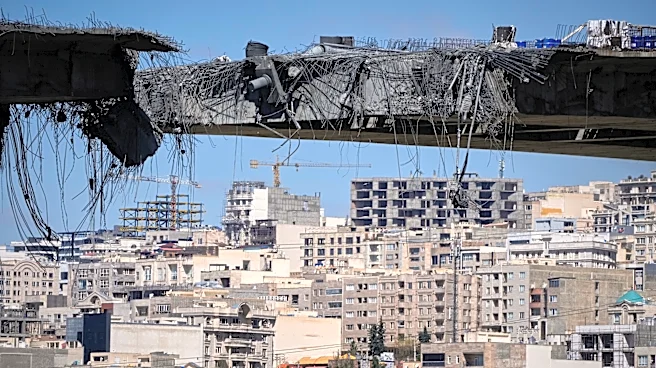
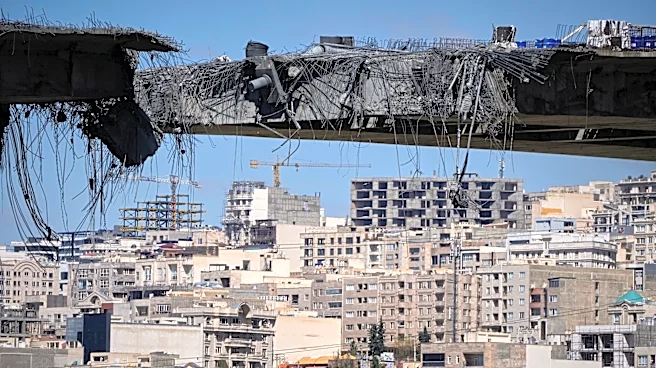
energy crisis and increased transport costs. This has forced aid groups to adopt more expensive and time-consuming routes, significantly delaying the delivery of essential supplies. The World Food Program reports substantial delays in food shipments, while the International Rescue Committee has pharmaceuticals stranded in transit. The United Nations describes this as the most significant supply chain disruption since the COVID-19 pandemic, with costs rising by up to 20%. The conflict has also created new emergencies, such as in Iran and Lebanon, where displacement is widespread.
Why It's Important?
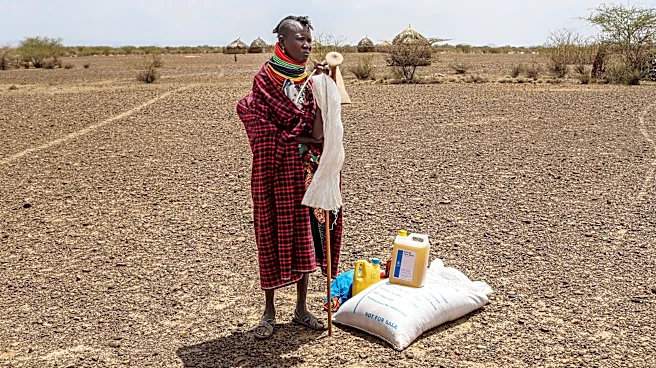
The disruption of supply chains due to the Middle East conflict has severe implications for global hunger and health crises. With transport costs soaring, aid organizations face difficult choices about which supplies to prioritize, potentially leaving millions without necessary aid. The World Food Program warns that continued conflict could push an additional 45 million people into acute hunger, exacerbating the plight of nearly 320 million already facing food insecurity. The conflict's impact on fertilizer supply, crucial for upcoming planting seasons in regions like East Africa and South Asia, threatens agricultural productivity and food security. The situation underscores the need for increased funding and international cooperation to mitigate the humanitarian impact.
What's Next?
If the conflict persists, aid organizations will need to continue finding alternative routes for delivering supplies, which could further increase costs and delays. The United Nations has established a task force to facilitate fertilizer trade, but aid groups argue that more funding is necessary to address rising costs. The U.S. has announced additional emergency assistance to Lebanon, but broader international support is crucial. The conflict highlights the tension between defense spending and humanitarian aid, with experts calling for policy decisions that prioritize aid provisions during wartime.