






What's Happening?
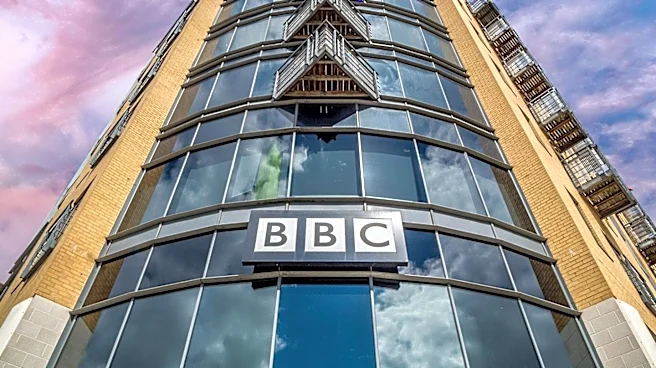
An article published on Frontpage Mag, a project of the David Horowitz Freedom Center, criticizes the British Broadcasting Corporation (BBC) for an article titled “How the bare nails trend became a class issue.” The Frontpage Mag piece, written by Mark
Tapson, argues that the BBC is attempting to impose Critical Race Theory onto an everyday grooming practice by suggesting that the trend of wearing glossy, unadorned nails is a symbol of “quiet luxury” that stigmatizes bold manicures historically linked to Black, Latino, and Asian communities. The BBC article quotes beauty journalist Kristina Rodulfo, who states that bare nails being considered elegant or tasteful are “euphemisms that perpetuate white supremacist standards of beauty.” Tapson contends that this interpretation ignores practical reasons for the trend, such as cost savings or personal preference, and instead frames it as a tool of “wealthy white oppression.” The article highlights social media reactions that largely condemned the BBC's stance as “divisive tosh” and an over-politicization of culture.
Why It's Important?
This critique from Frontpage Mag underscores a broader ideological conflict in the U.S. media landscape regarding the application of Critical Race Theory to cultural phenomena. The debate over whether a simple fashion trend can be interpreted through the lens of racial and class oppression reflects a significant divide in how social issues are discussed and understood. For conservative outlets like Frontpage Mag, such interpretations are seen as an attempt by the Left to politicize every aspect of life and sow division. This perspective suggests that these narratives contribute to a cultural environment where traditional Western values are demonized, and white people are increasingly stigmatized. The article implies that this approach by mainstream media, including international organizations like the BBC, fuels resentment and undermines social cohesion, impacting public discourse and potentially influencing policy discussions related to diversity, equity, and inclusion.
What's Next?
The ongoing debate surrounding the politicization of cultural trends is likely to continue, with conservative media outlets consistently challenging what they perceive as overreaches of progressive ideologies. This particular incident may lead to further discussions within conservative circles about the role of media in shaping public opinion and the perceived influence of Critical Race Theory. Social media platforms will likely remain a battleground for these cultural arguments, with users on both sides expressing strong opinions. The BBC, and similar media organizations, may face continued scrutiny from critics who believe they are promoting divisive narratives, potentially influencing their editorial decisions or prompting them to clarify their journalistic approaches to cultural analysis. This incident could also encourage more individuals to question the underlying motivations and frameworks used by media outlets when reporting on seemingly innocuous topics.
Beyond the Headlines
The deeper implication of this controversy lies in the weaponization of cultural elements for ideological battles. By framing a beauty trend as an issue of “white supremacist standards of beauty,” the BBC article, as interpreted by Frontpage Mag, exemplifies how seemingly trivial aspects of daily life can become focal points for larger political and social agendas. This approach can lead to a chilling effect on open discussion, where individuals fear expressing preferences or engaging in practices that might be labeled as problematic. It also highlights a growing skepticism towards traditional media institutions, particularly among conservative audiences, who view such analyses as propaganda rather than objective reporting. The long-term consequence could be a further fragmentation of public discourse, where different groups inhabit increasingly insular media ecosystems, reinforcing their own worldviews and deepening societal divides. This trend makes it more challenging to find common ground and address substantive issues, as even non-political topics become entangled in ideological warfare.