






What's Happening?
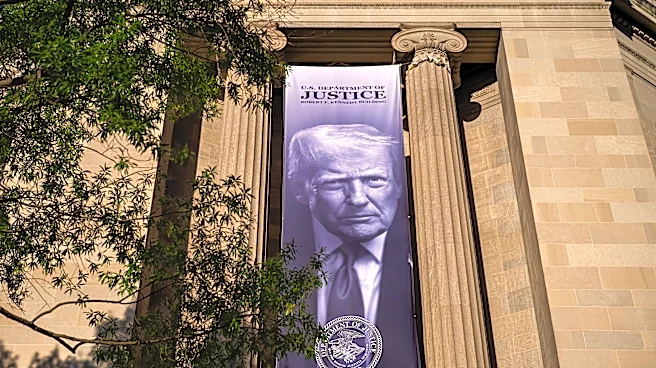
Federal prosecutors have charged two foreign nationals working at the National Institutes of Health (NIH) with conspiring to smuggle monkeypox into the United States and making false statements to federal authorities. The individuals, identified as Vincent
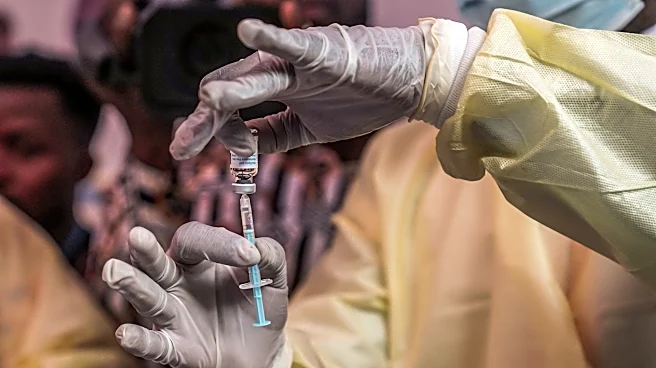
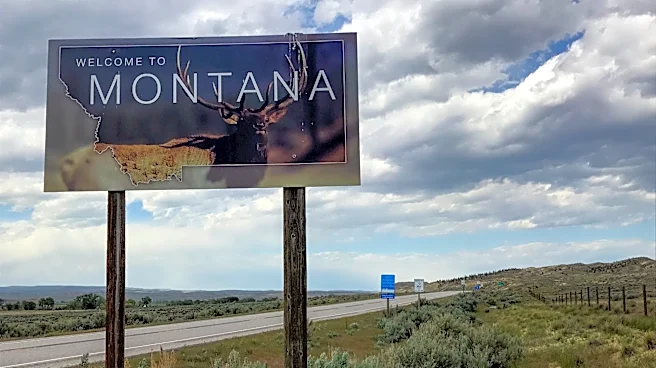
Munster, a Dutch national, and Claude Kwe, a Cameroonian national, were employed at the NIH’s Rocky Mountain Laboratories in Montana. They allegedly brought over 100 vials of virus samples into the country, falsely describing the contents to customs officers at Detroit Metropolitan Airport. The charges include conspiracy to smuggle goods and making false statements, with potential penalties of up to five years in prison. The case has prompted concerns about the handling of dangerous pathogens and compliance with biosafety regulations at U.S. research facilities.
Why It's Important?
This case underscores significant concerns regarding the oversight and management of high-risk biological research in the United States. The alleged smuggling of monkeypox, a virus with potential public health implications, highlights vulnerabilities in the international movement of pathogens and the enforcement of biosafety protocols. The incident could lead to increased scrutiny and possibly stricter regulations governing the transport and handling of infectious materials. It also raises questions about the security measures in place at top research institutions and the potential risks posed by non-compliance with federal regulations. The outcome of this case could influence future policies and practices in biosafety and pathogen management.