







What's Happening?
The legality of rainwater harvesting is not uniform across the United States; it depends significantly on the specific location, the design of the system, its connection to existing plumbing, the volume of water stored, and the intended use of the collected
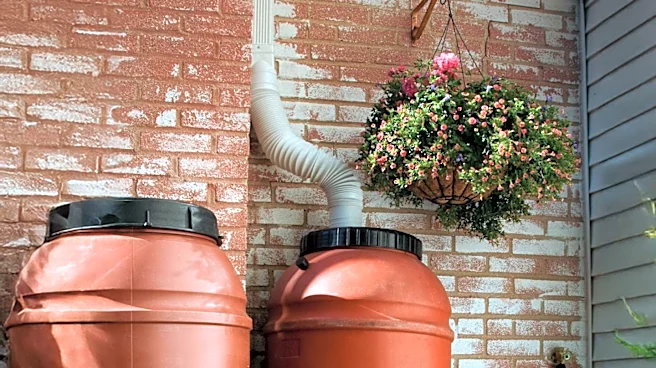
water. Simple outdoor rain barrels are often subject to minimal regulation, whereas more complex indoor-plumbed cisterns may require permits, inspections, and adherence to specific operating requirements. Key factors influencing approval include identifying local regulatory bodies, accurately defining the system's components, clearly separating potable and non-potable water uses, preventing cross-connections, and designing overflow and storage solutions that comply with local codes and ensure long-term functionality. Property owners are advised to document all aspects of their system, including permits, design sketches, and maintenance records.
Why It's Important?
Understanding the varying legal landscape of rainwater harvesting is crucial for individuals and organizations seeking to implement sustainable water solutions. Misinformation or a lack of awareness regarding local regulations can lead to non-compliance, potential fines, or the need for costly system modifications. This variability highlights the importance of local engagement and detailed planning before installation. For the broader U.S. context, inconsistent regulations can hinder the widespread adoption of rainwater harvesting, despite its environmental benefits such as water conservation and reduced stormwater runoff. Clarifying these regulations at local levels can empower more citizens to adopt these practices, contributing to water resilience and sustainability efforts nationwide. The distinction between potable and non-potable use is a primary legal fork, often dictating the stringency of requirements.
What's Next?
Individuals planning rainwater harvesting systems should first identify their local authorities, including county, city, and water utility departments, to understand specific requirements. The next step involves clearly defining the system's components, from collection surfaces to end uses, and communicating these details to relevant departments. As regulations evolve, there may be a push for more standardized guidelines or clearer frameworks to encourage sustainable water practices while ensuring public health and safety. Advocacy groups and environmental organizations may continue to work with local governments to streamline permitting processes and provide clearer guidance. Property owners should anticipate ongoing monitoring and maintenance requirements, especially for larger or more integrated systems, to ensure continued compliance and optimal performance.
Beyond the Headlines
The complexity surrounding rainwater harvesting legality reflects a broader tension between individual property rights, public health concerns, and environmental sustainability goals. While many view rainwater collection as a fundamental right and an eco-friendly practice, regulatory bodies often prioritize preventing contamination of public water supplies and ensuring proper waste management. This creates a legal and ethical dilemma: how to encourage water conservation without compromising public safety. The varying terminology used by different jurisdictions (e.g., 'rainwater harvesting,' 'rainwater catchment,' 'onsite non-potable water reuse') further complicates matters, highlighting a need for greater clarity and potentially, a more unified approach to water resource management. The issue also touches upon the evolving understanding of water as a shared resource versus a private commodity, influencing policy decisions at local and state levels.