






What's Happening?
A growing movement among Gen Z and millennials is focusing on addressing and repairing the racial and economic disparities in the United States. This initiative is highlighted by the efforts of the Repair America Collective, a Boston-based organization
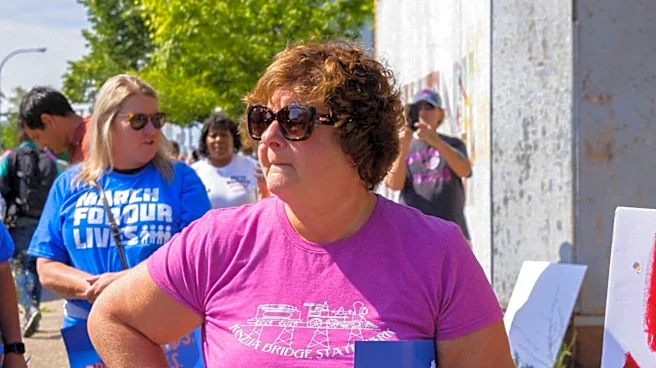
that emphasizes intergenerational collaboration. The group has been actively engaging in community events, such as the African American Heritage Museum’s Juneteenth Parade, where participants express their thoughts on freedom and the ongoing impact of racism and mass incarceration. These activities are part of a broader effort to acknowledge and address the structural issues that have long affected marginalized communities. The movement is characterized by a commitment to reckoning, acknowledgment, accountability, and redress, aiming to embed racial justice into societal systems.
Why It's Important?
The involvement of Gen Z and millennials in societal repair is significant as it represents a shift in generational responsibility and activism. Unlike previous generations, these young people have access to the language, platforms, and political conditions necessary to demand change and accountability. Their efforts are crucial in addressing the historical and systemic issues that continue to affect racial and economic equality in the U.S. By taking on this burden, they are not only working towards immediate change but also setting a precedent for future generations to continue this work. This movement has the potential to influence public policy, societal norms, and the overall approach to racial and economic justice in the country.
What's Next?
The Repair America Collective and similar organizations are likely to continue their efforts in promoting intergenerational collaboration and community engagement. As these movements gain momentum, they may influence legislative changes and inspire other communities to adopt similar approaches. The focus will likely remain on creating sustainable and systemic change, with an emphasis on education, coalition-building, and holding institutions accountable. The success of these initiatives could lead to broader societal shifts in how racial and economic issues are addressed in the U.S.
Beyond the Headlines
The movement led by Gen Z and millennials also highlights the cultural and ethical dimensions of societal repair. By choosing to take on the burden of repair, these young people are challenging traditional narratives of conquest and oppression, instead promoting a story of collective responsibility and empowerment. This approach not only addresses immediate issues but also fosters a culture of accountability and justice that could redefine American values and identity in the long term.