






What's Happening?
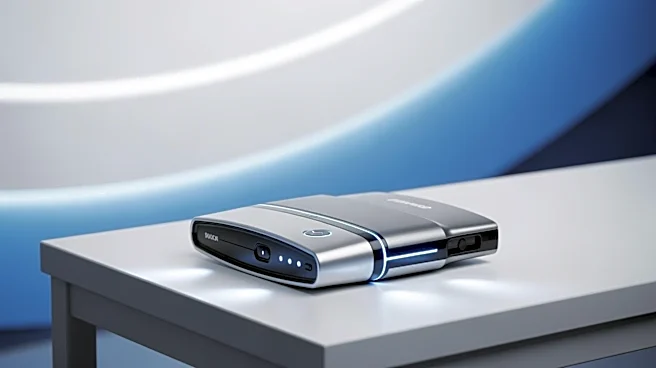
neuroClues, a French-Belgian medtech company, has raised €10 million in a Series A funding round to support the development and commercialization of its AI-powered eye-tracking device for early diagnosis of neurological disorders, including Parkinson’s
disease. The device uses a portable headset to capture infrared images of eye movements, extracting biomarkers that can indicate neurological conditions years before symptoms appear. Having received CE certification in January 2025, neuroClues is now targeting FDA clearance in the United States by 2026. The funding will be used to expand the company’s commercial team and operations in European and U.S. markets. The device aims to address the diagnostic gap in Parkinson’s disease, where early detection is crucial for effective treatment.
Why It's Important?
The development of neuroClues’ eye-tracking device represents a significant advancement in the early diagnosis of neurological disorders. Early detection of conditions like Parkinson’s can lead to more effective treatment and better patient outcomes. The device’s ability to provide objective, quantifiable measurements offers a promising alternative to traditional diagnostic methods, which can be subjective and less precise. The funding and planned expansion into the U.S. market highlight the growing recognition of the device’s potential impact on healthcare. By improving early diagnosis, neuroClues could play a crucial role in reducing the burden of neurological diseases on patients and healthcare systems.
What's Next?
With the new funding, neuroClues plans to build its commercial team and pursue FDA clearance in the U.S. by 2026. The company also aims to expand its presence in European markets. As the device integrates into clinical practice, it could transform how neurological disorders are diagnosed and managed. The success of these efforts will depend on regulatory approvals and the adoption of the technology by healthcare providers. The company’s ongoing research and collaboration with institutions like the Paris Brain Institute will be critical in validating the device’s efficacy and expanding its clinical applications.