


What's Happening?
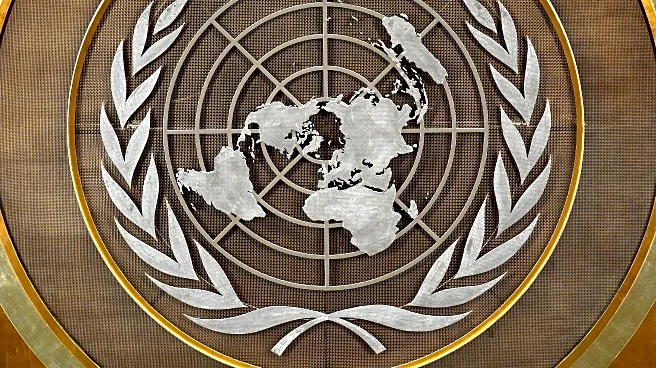
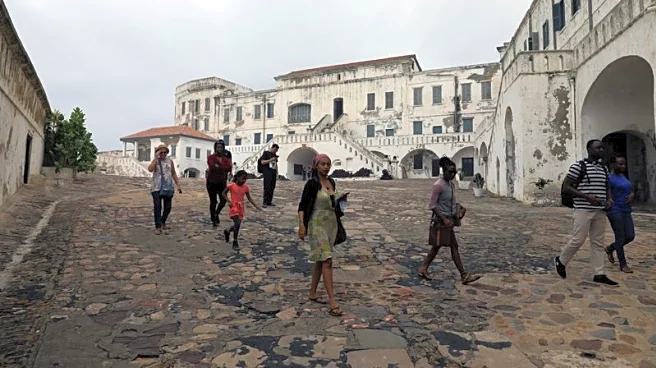
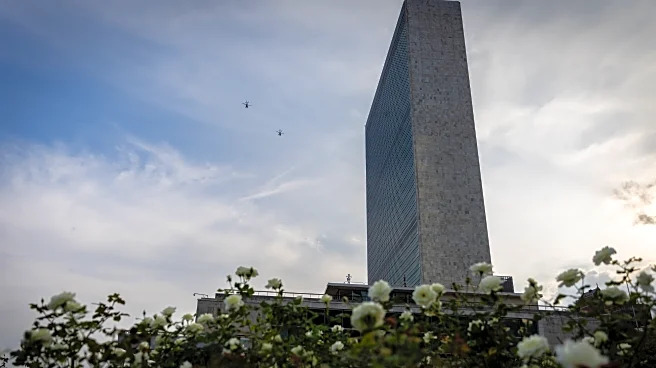
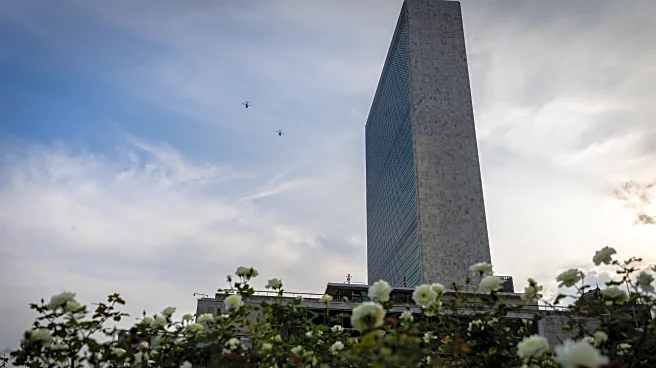
The United Nations General Assembly has adopted a resolution recognizing the transatlantic slave trade as the 'gravest crime against humanity' and calling for reparations. Proposed by Ghana, the resolution was supported by 123 countries, while three,
including the United States and Israel, opposed it, and 52 abstained. The resolution is not legally binding but carries significant political weight. It urges member states to engage in dialogue on reparations, including formal apologies, financial compensation, and the return of stolen artifacts. The resolution also emphasizes the need for addressing the historical wrongs of slavery to promote justice, human rights, dignity, and healing.
Why It's Important?
The resolution highlights the ongoing global debate over reparations for historical injustices, particularly the transatlantic slave trade, which saw millions of Africans enslaved. The call for reparations is significant as it seeks to address the enduring impacts of slavery, including racial disparities and systemic discrimination. The resolution's adoption reflects a growing international acknowledgment of the need for reparative justice. However, the opposition from countries like the United States underscores the complexities and controversies surrounding reparations, with concerns about legal implications and the potential for creating a hierarchy of crimes against humanity.
What's Next?
The resolution encourages further dialogue among U.N. member states on reparatory justice and collaboration with organizations like the African Union and the Caribbean Community. It also calls for voluntary contributions to promote education on the transatlantic slave trade. The resolution's adoption may prompt more countries to consider formal apologies and reparations, although significant political and legal challenges remain. The ongoing debate is likely to influence international relations and domestic policies, particularly in countries with historical ties to the slave trade.