




What's Happening?
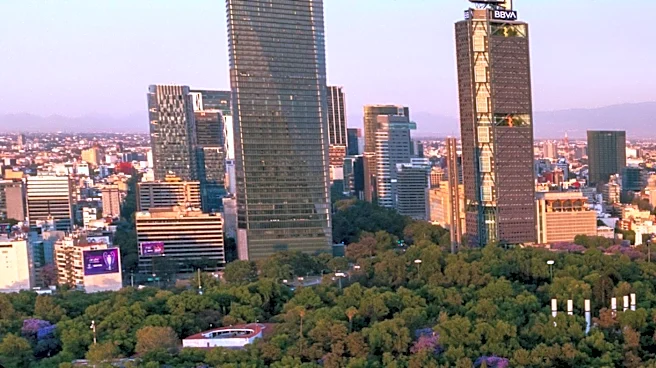
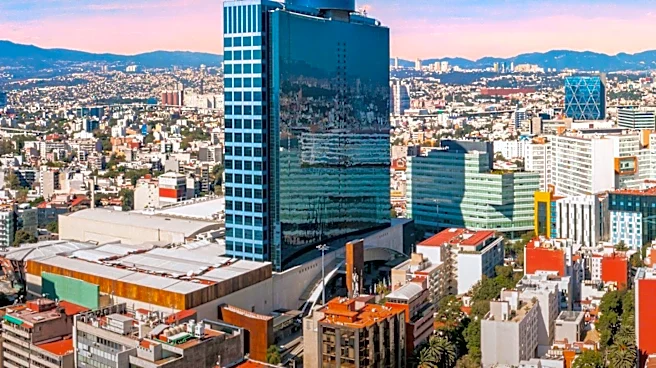
Mexico City, also known as Ciudad de México (CDMX), functions as the political, cultural, and economic nerve center of Mexico. It hosts the majority of the nation's multinational corporations, major banks, and the national stock exchange, the Bolsa Mexicana
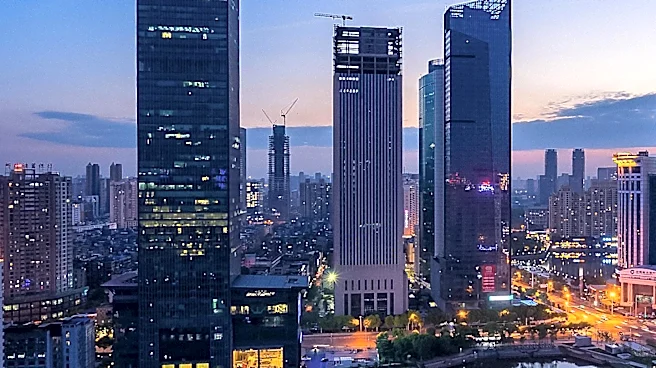
de Valores. The city's economy is highly diversified, with strong sectors in finance, real estate, and professional services, alongside significant industrial manufacturing in automotive, aerospace, and electronics. The Greater Mexico City urban area, which includes numerous municipalities from the State of Mexico, has a population exceeding 22 million inhabitants. Despite its economic prowess and cultural vibrancy, with world-class institutions and a renowned restaurant scene, the city faces considerable challenges. These include infrastructure strain, particularly in transportation and water systems, and significant environmental concerns such as air quality and waste disposal. The city's rapid, sometimes unregulated, growth has also led to deep socio-economic contrasts, with gleaming skyscrapers often standing near informal settlements.
Why It's Important?
Mexico City's role as a dominant economic and cultural force is crucial for both national and regional stability. Its diversified economy, encompassing both high-value services and industrial manufacturing, makes it a significant contributor to Mexico's GDP and a key player in global supply chains, particularly in sectors like automotive and aerospace. The concentration of financial institutions and corporate headquarters within CDMX influences investment trends and business development across the country. The city's cultural influence, marked by its vibrant arts scene and historical sites, also attracts tourism and fosters intellectual activity, contributing to Mexico's soft power. However, the challenges it faces, such as infrastructure deficits and environmental degradation, pose risks to its long-term sustainability and the well-being of its vast population. Addressing these issues is vital not only for the city's residents but also for maintaining Mexico's overall economic momentum and social cohesion, as the city's problems can ripple outwards to affect national development.
What's Next?
The future trajectory of Mexico City will likely involve continued efforts to address its complex urban challenges. Investments in infrastructure, particularly in public transportation, water management, and energy systems, are critical to support its growing population and economic activities. The city will need to balance its economic expansion with environmental sustainability initiatives to improve air quality and manage waste effectively. Furthermore, addressing socio-economic disparities and ensuring equitable access to resources and opportunities will be crucial for social stability. As a major global city, Mexico City's development will also be influenced by national policies and international economic trends. The ongoing decentralization of growth to other Mexican cities, such as León and Mérida, may also impact Mexico City's future, potentially alleviating some of its pressures while fostering more distributed economic opportunities across the country. Continued focus on sustainable urban planning and governance will be essential for its long-term prosperity.
Beyond the Headlines
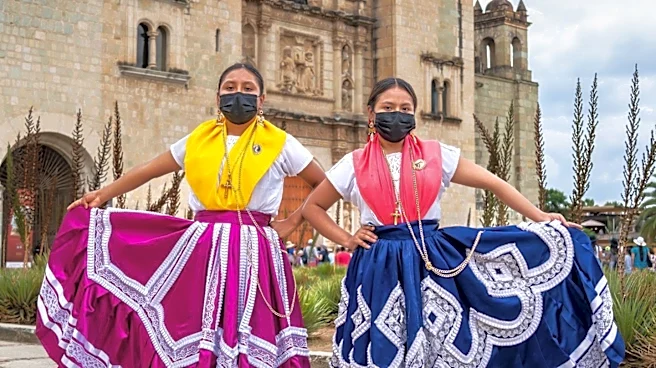
Beyond its immediate economic and infrastructural concerns, Mexico City embodies a deeper narrative of urbanization in developing nations. The stark contrast between its modern skyscrapers and informal settlements highlights the persistent challenges of equitable development and social inclusion. The city's historical legacy, built on the ancient Lake Texcoco, continues to influence its modern-day vulnerabilities, particularly regarding water supply and seismic activity. Culturally, CDMX serves as a melting pot, constantly evolving while preserving its rich heritage, from pre-Hispanic roots to colonial influences and contemporary artistic expressions. The city's ability to manage its rapid growth, environmental impact, and social inequalities will not only define its own future but also offer valuable lessons for other megacities grappling with similar issues globally. Its ongoing evolution reflects a complex interplay of economic ambition, cultural identity, and environmental stewardship, making it a microcosm of broader global challenges and opportunities.