








What's Happening?
Lakewood, Ohio, is experiencing a significant increase in applications for generator permits as residents seek solutions to repeated power outages. Fire officials in Lakewood are urging residents to engage licensed contractors for the installation and
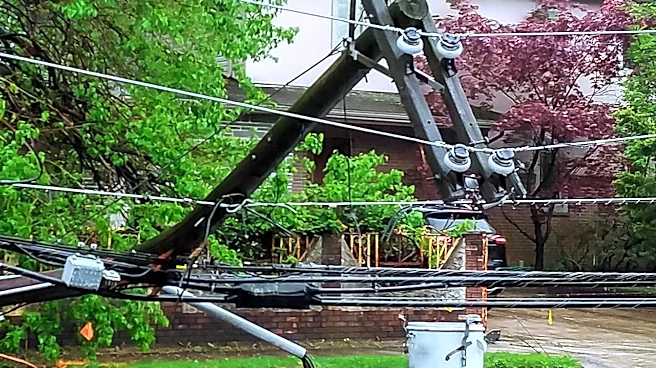
operation of these generators, emphasizing safety guidelines. Lucas Yousko, a Lakewood resident, invested in a portable generator after frequent outages threatened food storage and disrupted gatherings at his home. Despite FirstEnergy's efforts to improve the electrical system, including the installation of a new generator and another expected by year-end, the city continues to see a rise in generator permit requests. Residents like Yousko have reported being without power for days at a time, highlighting the severity of the issue. The Lakewood Fire Department's Fire Marshal, Ryan Birth, stressed the importance of proper installation to prevent risks to both residents and electrical workers.
Why It's Important?
The surge in generator permit applications in Lakewood underscores a growing concern among U.S. homeowners regarding grid reliability and energy independence. This trend reflects a broader societal impact where essential services, such as electricity, are becoming less dependable, prompting individuals to invest in personal backup solutions. For the utility sector, this situation highlights the critical need for infrastructure upgrades and improved resilience against environmental factors and aging systems. The emphasis on using licensed contractors for generator installation also points to potential safety hazards, including carbon monoxide poisoning and electrical back-feeding, which could injure or kill utility workers. This situation could lead to increased regulatory scrutiny on utility companies and potentially drive demand for more robust and decentralized energy solutions across the nation, impacting both consumers and energy providers.
What's Next?
Lakewood fire officials will continue to educate residents on the safe use and installation of generators, likely through public awareness campaigns and stricter enforcement of permit requirements. The ongoing efforts by FirstEnergy to upgrade the electrical system, with a second generator expected to be operational by the end of the year, will be closely monitored to see if they alleviate the frequency and duration of power outages. Residents are expected to continue applying for generator permits as long as power reliability remains a concern. This situation may also prompt local government bodies to explore additional measures to support residents, such as providing resources for safe generator use or advocating for accelerated infrastructure improvements from utility providers. The long-term trend could see a sustained increase in residential generator adoption, influencing local building codes and safety regulations.
Beyond the Headlines
The increased reliance on personal generators in Lakewood reveals a deeper societal shift towards self-sufficiency in the face of perceived systemic failures, particularly concerning critical infrastructure. This trend could lead to a re-evaluation of urban planning and energy policy, pushing for more resilient local grids or microgrids. Ethically, the burden of ensuring continuous power is shifting from utility companies to individual homeowners, raising questions about equitable access to reliable energy, especially for vulnerable populations who may not afford generators. Environmentally, the widespread use of fossil fuel-powered generators could contribute to localized air pollution and carbon emissions, conflicting with broader climate goals. This situation also highlights a potential legal dimension, as residents might seek recourse against utility companies for damages incurred during prolonged outages, potentially leading to class-action lawsuits or increased regulatory fines for service disruptions.