






What's Happening?
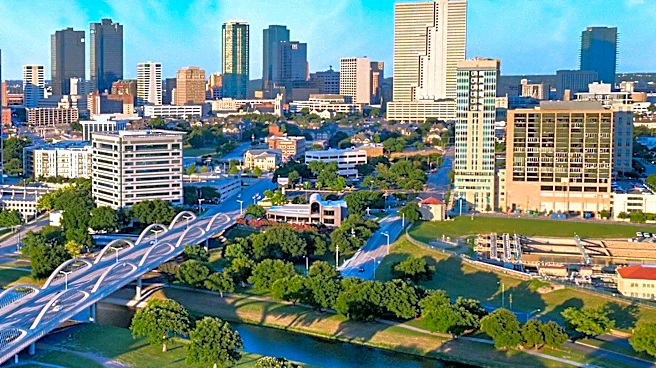
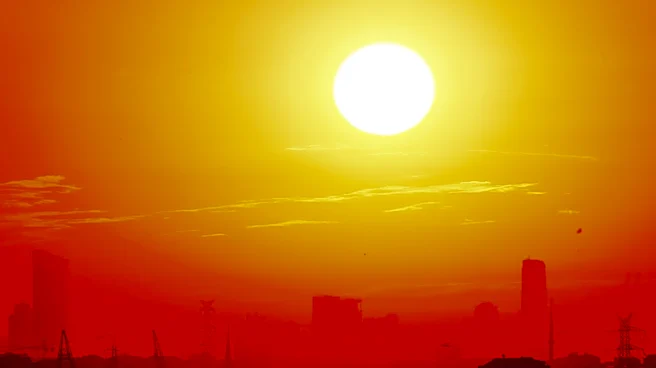
A heat dome is causing dangerously high temperatures across much of the central United States, affecting approximately 70 million people. The heat wave is expected to push temperatures above 100 degrees Fahrenheit from Dallas to North Dakota. The National
Weather Service has issued extreme heat warnings for areas including western Nebraska, where temperatures could reach 108 F. The heat dome is trapping heat, leading to sustained high temperatures and high humidity, which exacerbate the discomfort and health risks. This weather pattern is expected to persist through the week, with some relief possible by the weekend, although it may be temporary.
Why It's Important?
The heat dome poses significant health risks, particularly to vulnerable populations such as children, the elderly, and those with pre-existing health conditions. The sustained high temperatures can lead to heat stress and heat-related illnesses, including heat stroke. The economic impact is also notable, as businesses and events may face disruptions due to the extreme weather. Additionally, the heat wave highlights broader concerns about climate change, as rising global temperatures increase the frequency and severity of such extreme weather events.
What's Next?
Forecasters predict that the heat will continue to affect the central U.S. throughout the week, with the worst conditions expected in Texas and parts of the Gulf Coast by mid-week. Communities are advised to take precautions, such as seeking air-conditioned environments and staying hydrated. The situation underscores the need for long-term strategies to address climate change and improve infrastructure resilience to extreme weather.